Last updated November 22, 2026
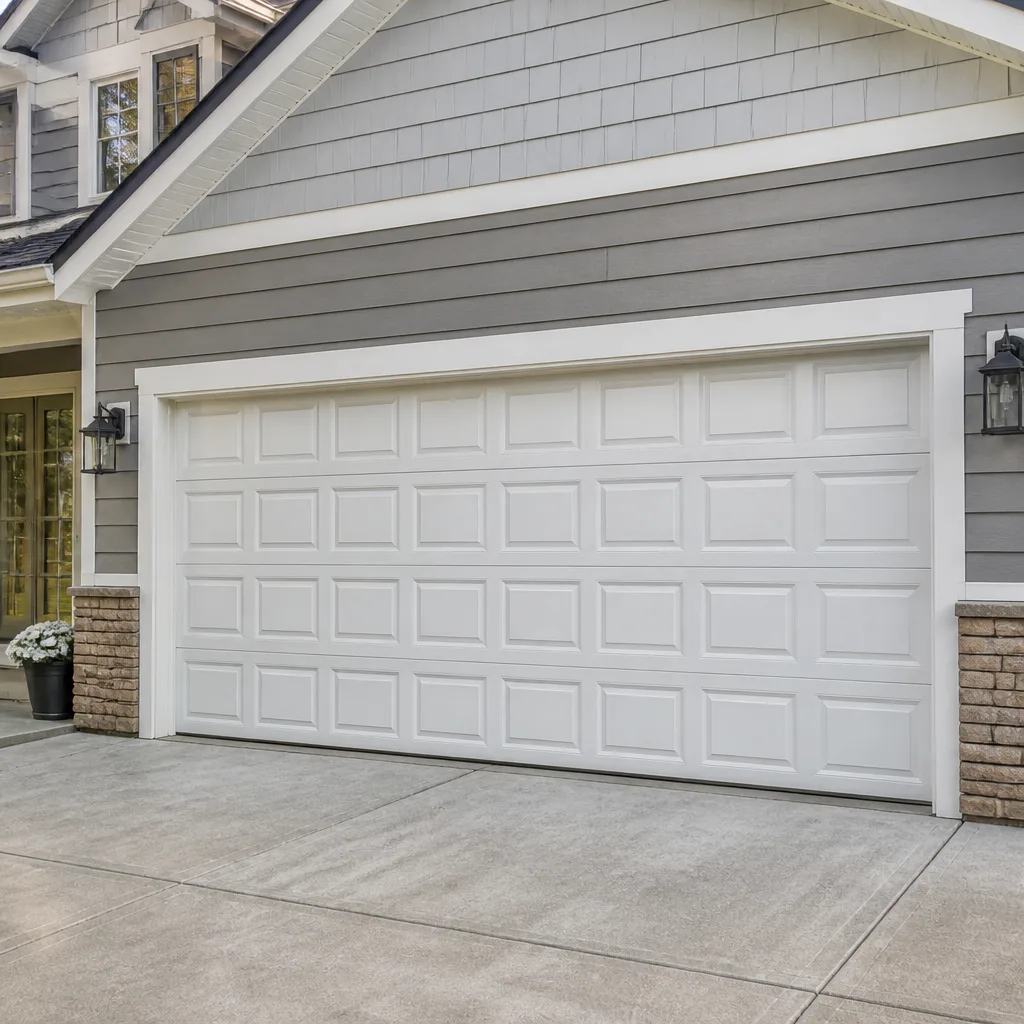 Raised-panel steel
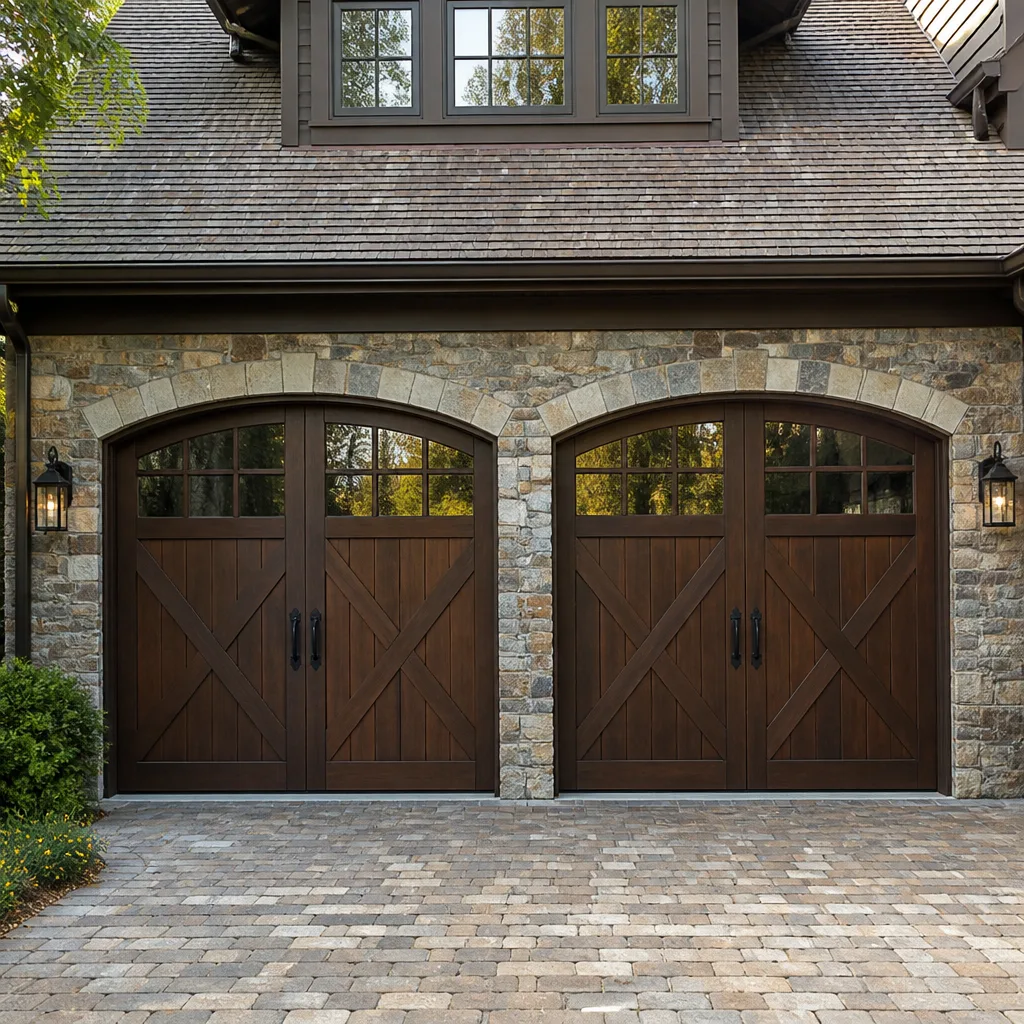 Carriage house
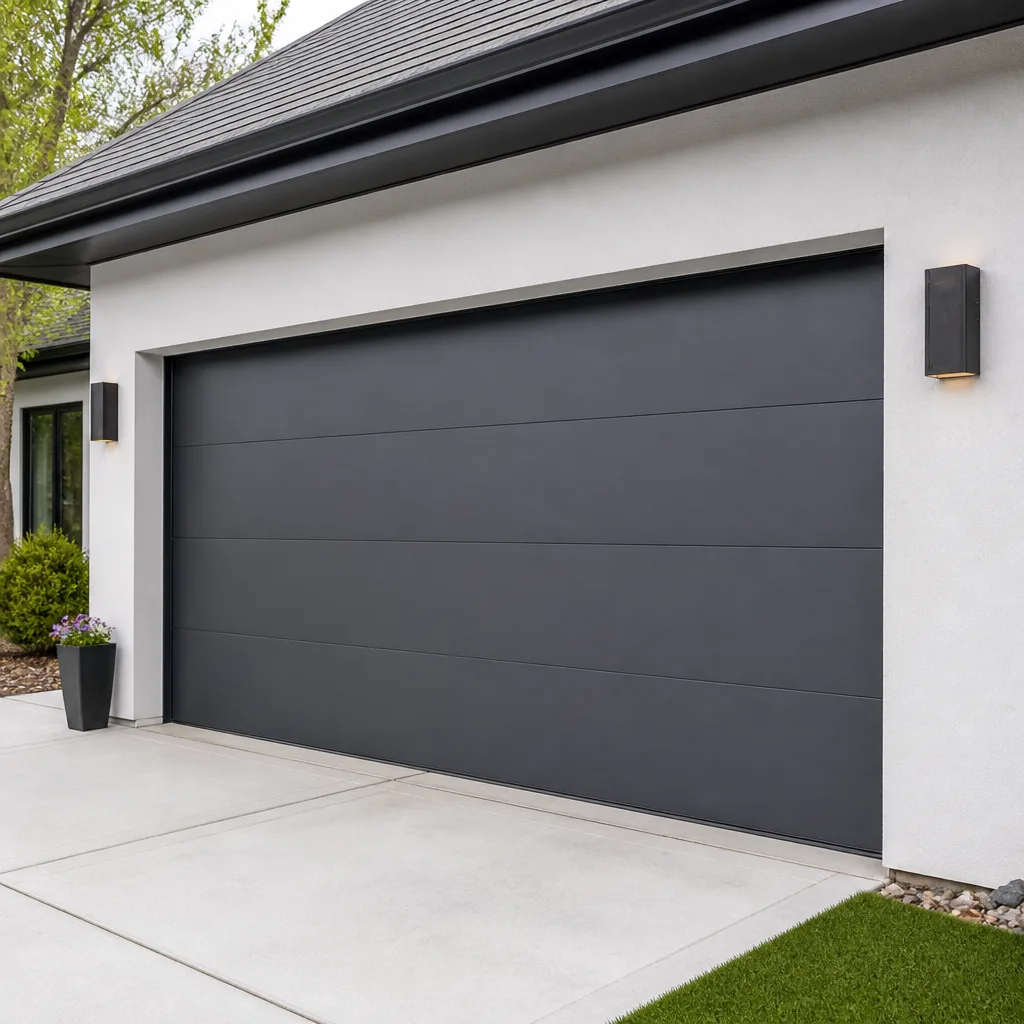 Modern flush
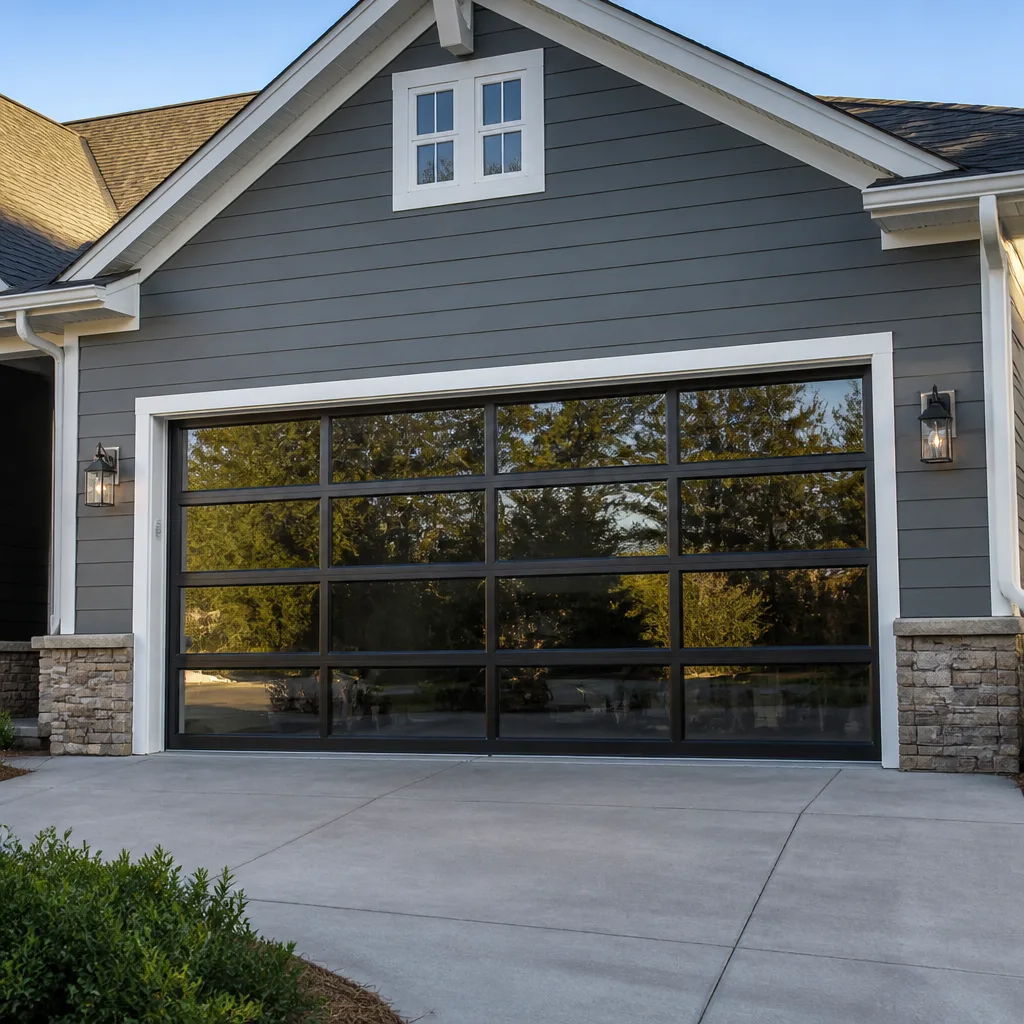 Full-view glass
 LiftMaster openers
 Chamberlain openers
Full 25-point door and opener safety check with every visit - springs, cables, rollers, tracks, and your LiftMaster or Chamberlain opener included
You get a price before we start. It does not change when the pro arrives.
Get your free estimateThe Complete Guide to Garage Doors in Highlands Ranch
Most Highlands Ranch homeowners assume the hardest part of a new garage door is paying for it. It’s not. The hardest part is the HRCA architectural review that comes after you’ve already signed the contract, and the wait while the approval works its way through. Colorado’s altitude throws a second curveball: a door rated for sea-level performance behaves differently at 5,800 feet, where temperature swings between seasons are wider and insulation values that look good on a national brochure don’t always translate to a Highlands Ranch winter. This guide maps every decision – material, opener, insulation, brand, and repair-versus-replace – to the actual conditions in Highlands Ranch. By the end, you’ll know which questions to ask before anyone hands you a quote.
Quick Answer
A garage door in Highlands Ranch needs a material that handles high-altitude temperature swings, insulation rated high enough for cold Douglas County winters, and a color and window layout that passes HRCA architectural review. Choose the door first, get HOA approval, then match the opener and springs to the door’s weight and size. Repair is usually the right call for a single component failure on a door under 15 years old; replacement makes more sense when the panels, the springs, and the opener are all showing wear at once.
Styles & brands we work with
- Raised-panel steel
- Carriage house
- Modern flush
- Full-view glass
- LiftMaster openers
- Chamberlain openers
Table of Contents
- How HRCA and Douglas County Rules Shape Your Garage Door
- Insulation and R-Value at 5,800 Feet
- The Brands You’ll See on Highlands Ranch Homes
- Attached Garages and Colorado Fire-Separation Codes
- Temperature Swings and What They Do to Springs
- Repair or Replace: The Decision Matrix
- Choosing and Maintaining Your Opener
- A Maintenance Rhythm for Highlands Ranch
How HRCA and Douglas County Rules Shape Your Garage Door
The Highlands Ranch Community Association (HRCA) reviews architectural changes, including garage door replacements, before installation. Douglas County handles building permits and code compliance. These are two separate processes, and confusing them is the single most common mistake we see. The county cares whether the door is safe and installed to code. The HOA cares whether it looks like it belongs on the street.
In practice, this means you need approval from both before the door goes up. HRCA’s design guidelines generally cover:
- Color palettes. The association maintains approved color families that match the neighborhood’s architectural character. A door in an unapproved shade can be flagged after installation.
- Window placement and style. Window rows, decorative inserts, and window count are typically reviewed for consistency with surrounding homes.
- Material restrictions. Some filings restrict certain panel styles or require the door to match the home’s existing material finish.
- Visible hardware. Exposed hinges, handles, and decorative ironwork may need approval if they change the door’s street appearance.
Here’s the part most homeowners don’t plan for: if a door goes in without approval and the association rejects it, the appeal and re-review process can stretch out while your car sits in the driveway. That’s a real disruption, not a paperwork annoyance. Always verify the current HRCA guidelines directly with the association before you order, because the specific rules can change and vary by village within Highlands Ranch.
For Douglas County, most garage door replacements require a permit because the door is part of the home’s structural opening and its attachment to the framing matters. Ask the county building department what your specific project needs. The permit step also gives you a paper trail if you sell the home later.
Insulation and R-Value at 5,800 Feet
R-value measures how well a door resists heat flow. National garage door marketing tends to quote one R-value as if it applies everywhere, but altitude and climate change what that number actually does for you. At 5,800 feet in Highlands Ranch, winters are cold and dry, summer afternoons get hot, and the swing between a January morning and a July afternoon is wide. A door with a modest R-value may keep the garage from freezing, but it won’t hold a comfortable temperature for a garage workshop or a home gym.
Think about insulation in three tiers:
- Uninsulated steel. Cheapest, lightest, and the noisiest. Fine for a detached storage garage. A poor fit for an attached garage in Highlands Ranch where the space doubles as a laundry room or mudroom.
- Single-layer insulated steel. A bonded foam core in a steel skin. Adequate for most attached garages, and the most common choice for replacement projects.
- Double-layer or polyurethane-core insulated. The heaviest and quietest option. Best when the garage shares a wall with living space or you use it as a conditioned room.
The R-value matters less than where the door sits. The same door on a north-facing Highlands Ranch garage experiences colder surface temperatures than on a south-facing one, and the difference shows up as condensation and seal wear more than as a thermometer reading. Insulation also affects weight. A heavier insulated door needs springs sized for it, so insulation and spring choice are one decision, not two. If you replace panels and keep the springs, you can overload the opener and the springs.
For the underlying service side of insulation and panel work, our Garage Door Repair Highlands Ranch page covers the full scope of what we handle.
The Brands You’ll See on Highlands Ranch Homes
Most Highlands Ranch new construction from the 1990s through the 2010s shipped with one of a handful of door brands. Knowing which one is on your home tells you what to expect for parts, service, and longevity. The brands we diagnose and repair regularly on Highlands Ranch homes include Clopay, Amarr, Wayne Dalton, Raynor, and Craftsman, and their openers are usually LiftMaster, Chamberlain, or Genie.
What each brand tends to mean in practice:
- Clopay. Common on Highlands Ranch production homes. Parts are widely available, which makes repair straightforward. Older Clopay models sometimes use spring systems that require matching the correct wire gauge on a replacement.
- Amarr. Durable panel construction, often seen on homes built in the 2000s. Service track record locally is strong, though some older models have discontinued window inserts, so replacing a single panel can mean matching a whole row.
- Wayne Dalton. Common in certain Highlands Ranch filings. Their openers sometimes use proprietary hardware, so a technician who doesn’t know the brand may try to swap out components that don’t need replacing.
- LiftMaster and Chamberlain. The most common openers we see. Parts and remotes are easy to source, and diagnosis is quick because the control boards follow familiar patterns.
- Genie. Also common, particularly on older Highlands Ranch homes. Chain-drive Genie units are reliable but loud; belt-drive models are quieter and show up on newer builds.
Because we work across all eight major brands on the market, we don’t have to hand a job to a second company when the opener brand doesn’t match the door brand. Bring us the make and model of both and we can tell you what to expect. If you’re not sure what you have, a photo of the door’s label and the opener’s motor housing is usually enough.
Attached Garages and Colorado Fire-Separation Codes
An attached garage shares at least one wall with living space, and Colorado building code treats that wall as a fire-separation assembly. This isn’t a story about a close call. It’s a design requirement that shapes which doors and seals you should specify.
The fire-separation concept works like this:
- The wall between the garage and the house must slow the spread of fire. That wall and any door in it are part of the assembly, and the building department checks that the assembly is intact.
- The garage door itself must close fully and seal against the frame. A door that leaves a gap at the bottom or along the sides lets air in and compromises the separation in a fire event.
- Fire-rated doors between house and garage must be self-closing and labeled. If your home has one, don’t remove the self-closer or swap in a hollow-core door to gain convenience.
In Highlands Ranch, where nearly every home has an attached garage, this means the door and its weatherstripping aren’t just comfort items. They’re part of how the house is built to behave in a fire. When we replace weather seals and bottom thresholds, we’re restoring part of that separation, not just stopping a draft. And when we size springs, we’re also making sure the door can close completely under its own weight even if the opener fails.
If you’re unsure whether your home’s garage door assembly meets current Douglas County code, ask the building department during your permit check. We can replace the weather seals and hardware; the code determination belongs with the county. If an accident is the reason the door no longer seals, our emergency service can help secure the opening. In our experience, though, most sealing problems are wear, not damage.
For the spring-specific side of fire separation and heavy-door safety, the garage door spring repair page goes deeper.
Temperature Swings and What They Do to Springs
Highlands Ranch springs work harder than springs in milder climates. A garage door spring is a steel coil under constant tension. Every time the door opens and closes it flexes, and every temperature swing changes the metal’s length by a fraction. Over a season you get hundreds of small cycles, and over a decade you get tens of thousands. When a torsion spring finally breaks, it usually happens at a temperature extreme – a cold morning or the first hot afternoon of the season.
What the high-altitude cycle does to your door:
- Torsion springs lose tension faster. The door starts feeling heavy, or the opener strains to lift it. That’s a sign the spring has weakened, not that the opener has failed.
- Extension springs can snap. Older Highlands Ranch homes with extension springs should have safety cables running through them. If you can’t see the cables, ask a technician to check.
- Weather seals crack and pull away. The seasonal expansion and contraction is tough on rubber and vinyl. A gap at the bottom is a draft in winter and a critter path in summer.
- Panel warping is more common than people expect. Steel panels flex slightly with temperature, and a panel with a weak hinge can warp out of alignment over time.
Springs are the most dangerous component on a garage door. A torsion spring under tension can cause serious injury if handled without the right tools and technique, and we don’t recommend attempting it yourself. This is one of the reasons we list spring work as its own dedicated service. The tools, the winding bars, and the technique are all specific to the job.
If you hear a sharp snap from the garage and the door won’t open, the spring is the likely cause. That’s a genuine emergency when a car is trapped or the home is unsecured. Our garage door opener repair team can also diagnose whether the opener is the actual failure once the spring is ruled out.
Repair or Replace: The Decision Matrix
There’s no single rule that fits every Highlands Ranch garage. Use this matrix as a starting point. Then get a written estimate from a technician who has actually looked at the door.
| Home Age | Typical Failure | Likely Right Call |
|---|---|---|
| Under 10 years | Single spring, opener motor, or remote | Repair. Parts are still available and the door structure is sound. |
| Under 10 years | One damaged panel from a vehicle impact | Panel replacement. Match the style and color so the repair doesn’t show. |
| 10-20 years | Spring plus opener failure together | Weigh repair cost against replacement. If repair is approaching half the cost of new, replacement is usually the better value. |
| 10-20 years | Multiple panel dents and seal failure | Replacement. Cosmetic and functional wear usually happen together. |
| 20+ years | Any structural failure | Replacement. Parts for older models are harder to source, and insulation performance is well behind current standards. |
| Any age | Door won’t close, visible spring break | Emergency call first, then decide. Don’t force the door. |
Budget matters too, and it’s fair to ask about it. Repairing a single spring is typically far less expensive than replacing a door and its opener, so the repair-versus-replace call is usually clear. When the numbers get close, get both quotes in writing and compare them side by side. What matters most is that the numbers you get are in writing and agreed before work starts.
Replacing a door is also a chance to fix a poor original specification. If the home was built with a thin uninsulated door on an attached garage, the replacement is a chance to upgrade insulation and quiet the door at the same time. That’s a decision worth making once, with the HOA process planned in.
Choosing and Maintaining Your Opener
The opener is the second half of the system, and it’s the component most likely to be blamed for a problem it didn’t cause. A door that won’t lift is usually a spring issue, not an opener issue. A door that reverses at the bottom is usually a sensor or travel-limit adjustment. A door that opens partway and stops may be a motor thermal cutout.
When it’s actually time to choose an opener, three things matter in Highlands Ranch homes:
- Lift capacity. Match the opener to the door’s weight, not just its width. A heavy insulated door on an opener rated for a lighter door will strain and fail early. Most Highlands Ranch doors are within standard lift ranges, but the specification matters.
- Drive type. Belt drives are quiet, which matters if there’s a bedroom above the garage. Chain drives are louder but more forgiving of heavier doors. Screw drives are a middle ground.
- Safety features. Photo-eye sensors, auto-reverse on contact, and a manual release are non-negotiable. Every opener we install has them, and if yours has been bypassed or disconnected, that’s a safety fix worth making.
Maintenance is simple. Lubricate the opener’s rail and the door’s hinges and rollers with a garage-door-rated lubricant, not WD-40 or household oil. Test the auto-reverse by placing a roll of paper towels in the door’s path and confirming the door reverses when it contacts it. Check the photo-eye alignment after any work near the door tracks. If the door gets noticeably louder or heavier over a few weeks, get it inspected before a spring fails.
If your opener is on its last legs, we repair and replace across all the major brands. A quick call is all it takes to get a diagnosis. Our team includes technicians with up to 8 years of experience, and every job stays focused on garage doors – not a side project for a handyman who also does plumbing.
A Maintenance Rhythm for Highlands Ranch
A garage door doesn’t need much, but the small tasks add up. Here’s a schedule that fits the Highlands Ranch climate:
- Every month: test the auto-reverse. Place an object in the door’s path and confirm it reverses. Set a reminder on your phone.
- Every three months: lubricate the moving parts. Rollers, hinges, and the opener rail. Wipe off old lubricant and reapply a fresh coat. Skip the torsion springs unless a technician has shown you where to apply it.
- Twice a year: inspect weather seals. Look for cracks at the bottom threshold and along the sides. Replace when the seal pulls away or feels brittle. This is your fire-separation and comfort layer in one.
- Annually: balance test. Disconnect the opener with the manual release, lift the door halfway, and let go. It should hold in place. If it drops or rises, the springs need attention.
- Annually: hardware check. Look for loose bolts on the hinges and brackets, and listen for new noise. A rattle that wasn’t there last year is a warning worth heeding.
These steps don’t replace a professional inspection, but they catch problems early. The repairs that come to us most often are ones a homeowner could have caught months earlier with a ten-minute look.
Common Mistakes to Avoid
- Buying the door before getting HRCA approval. An unapproved color or window style can be rejected after installation, and the appeal takes weeks while the car sits outside. Ask the HOA first, then order.
- Confusing the HOA with the county. HRCA architectural review is separate from a Douglas County building permit. You usually need both. Skipping the county permit can complicate a future sale.
- Replacing a panel without matching the whole door. Faded panels and discontinued inserts are hard to match. Sometimes the right fix is a whole-door replacement, not a partial repair.
- Assuming a national R-value applies at 5,800 feet. It doesn’t. Insulation performance depends on climate, door orientation, and use of the garage. Ask about the door’s place in your home, not just its rating.
- Ignoring weather seals in winter. A cracked bottom seal lets in cold air, insects, and moisture. In an attached garage it also compromises the fire separation the county requires.
- Attempting a spring repair yourself. Torsion springs are under extreme tension and can cause serious injury. Call a technician. The cost of a spring repair is far less than a hospital visit.
- Forcing a door that won’t move. If the opener runs but the door won’t budge, the spring or cable has failed. Stop, release the opener, and call. Forcing it can damage the door or hurt you.
See the difference
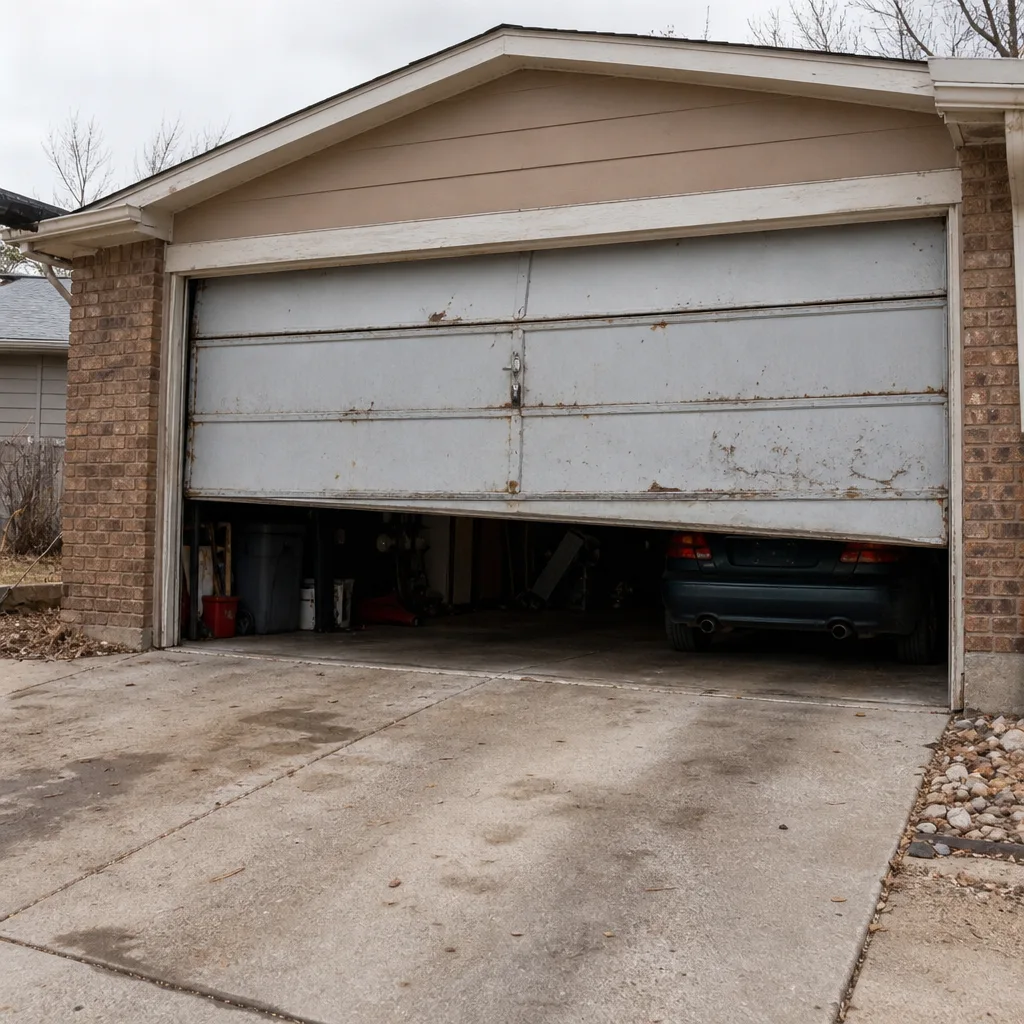 Before
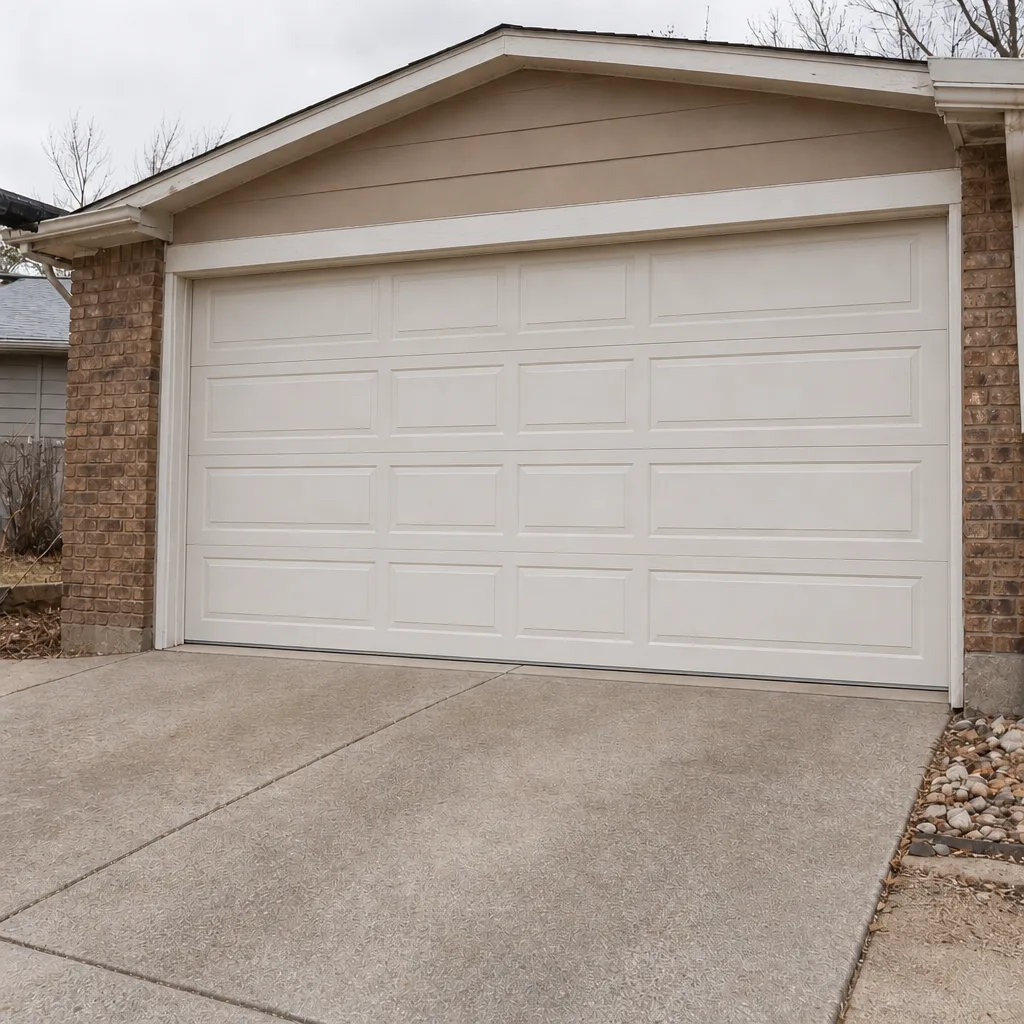 After
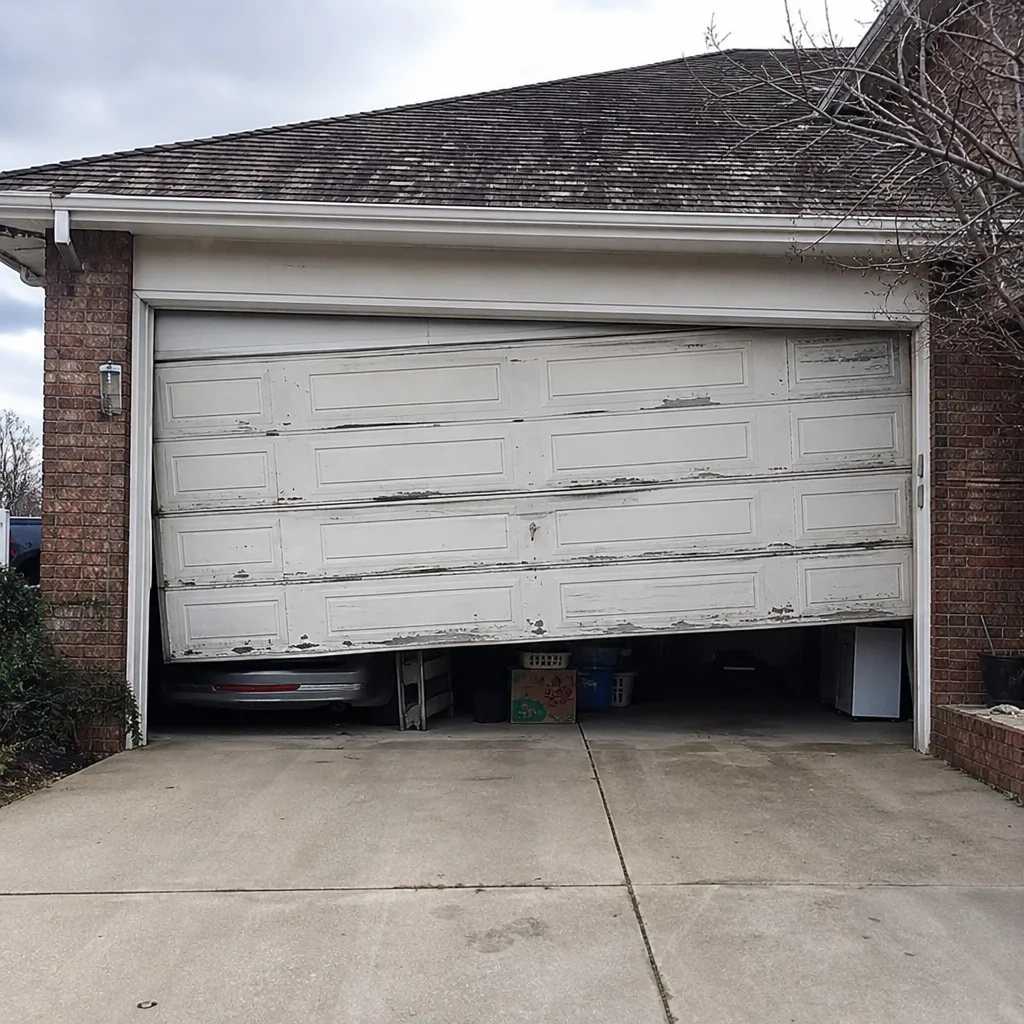 Before
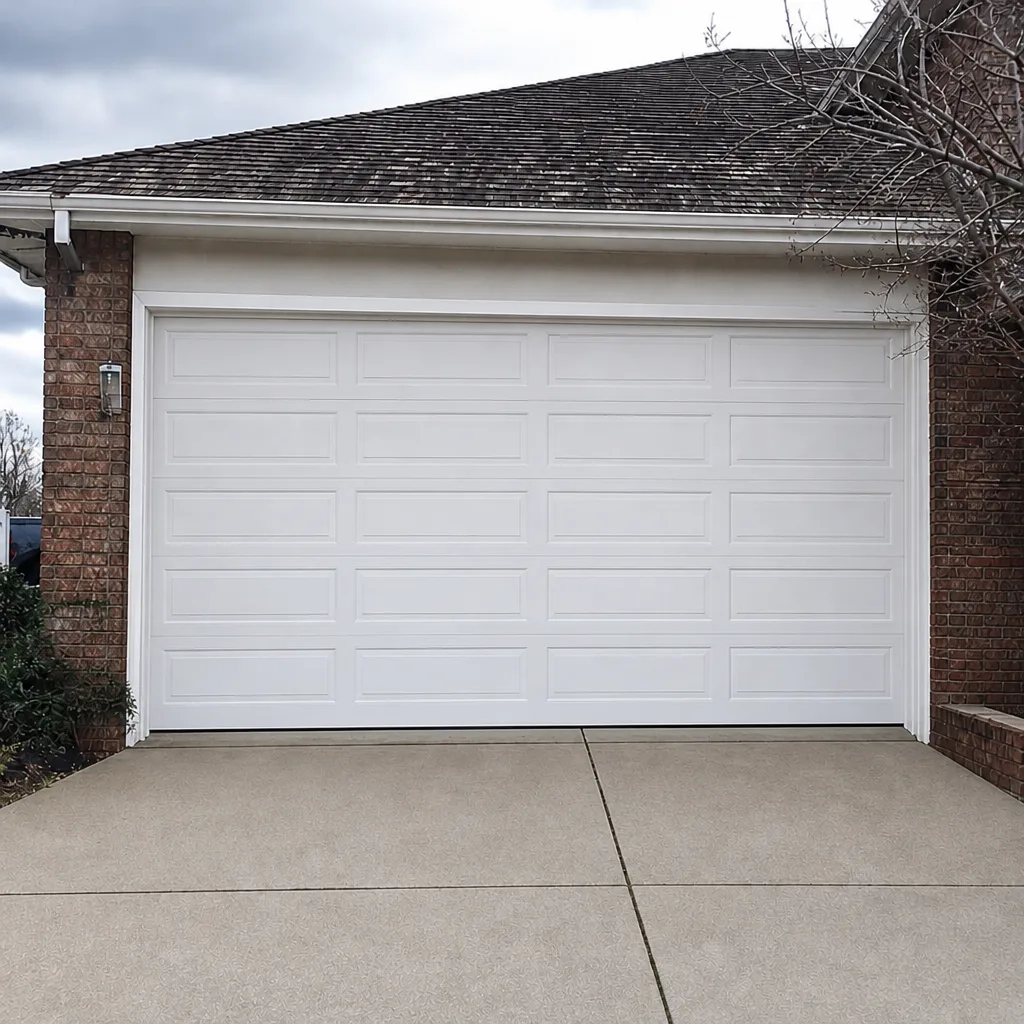 After
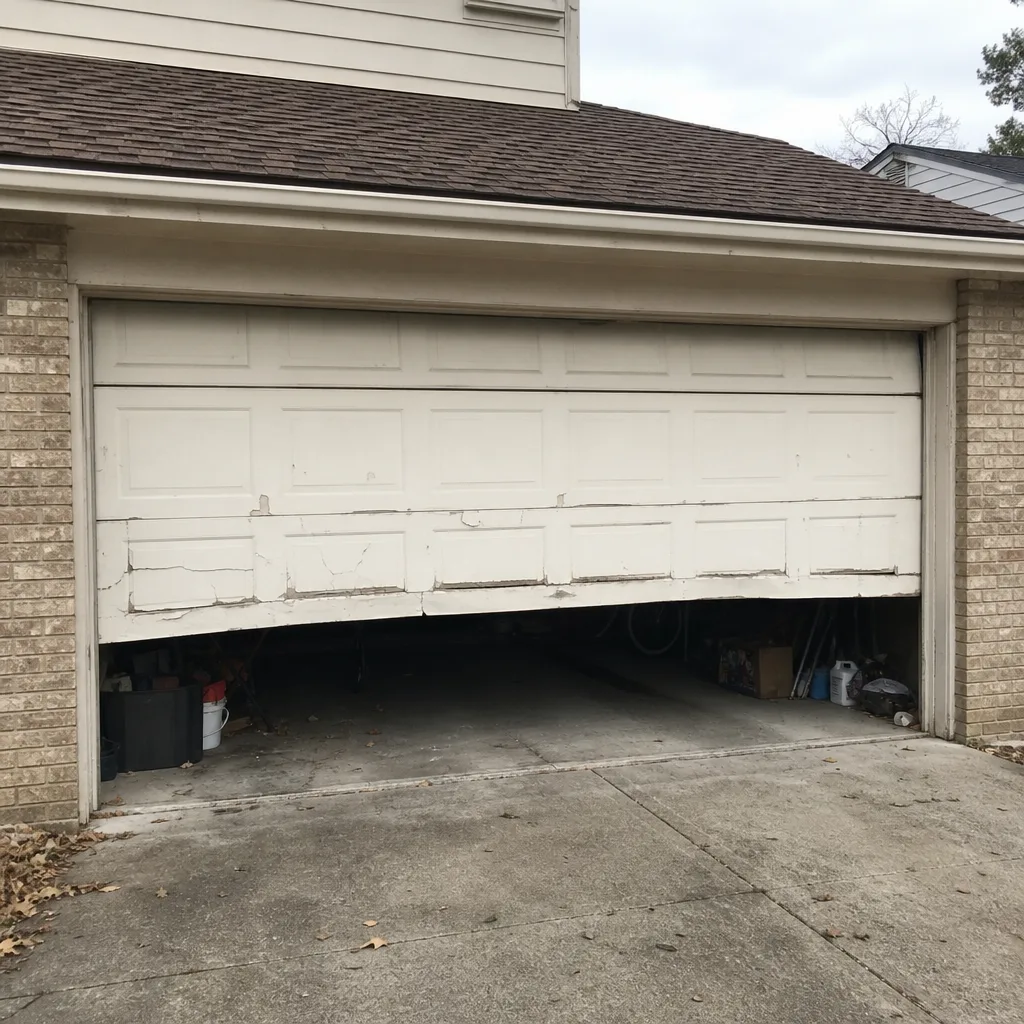 Before
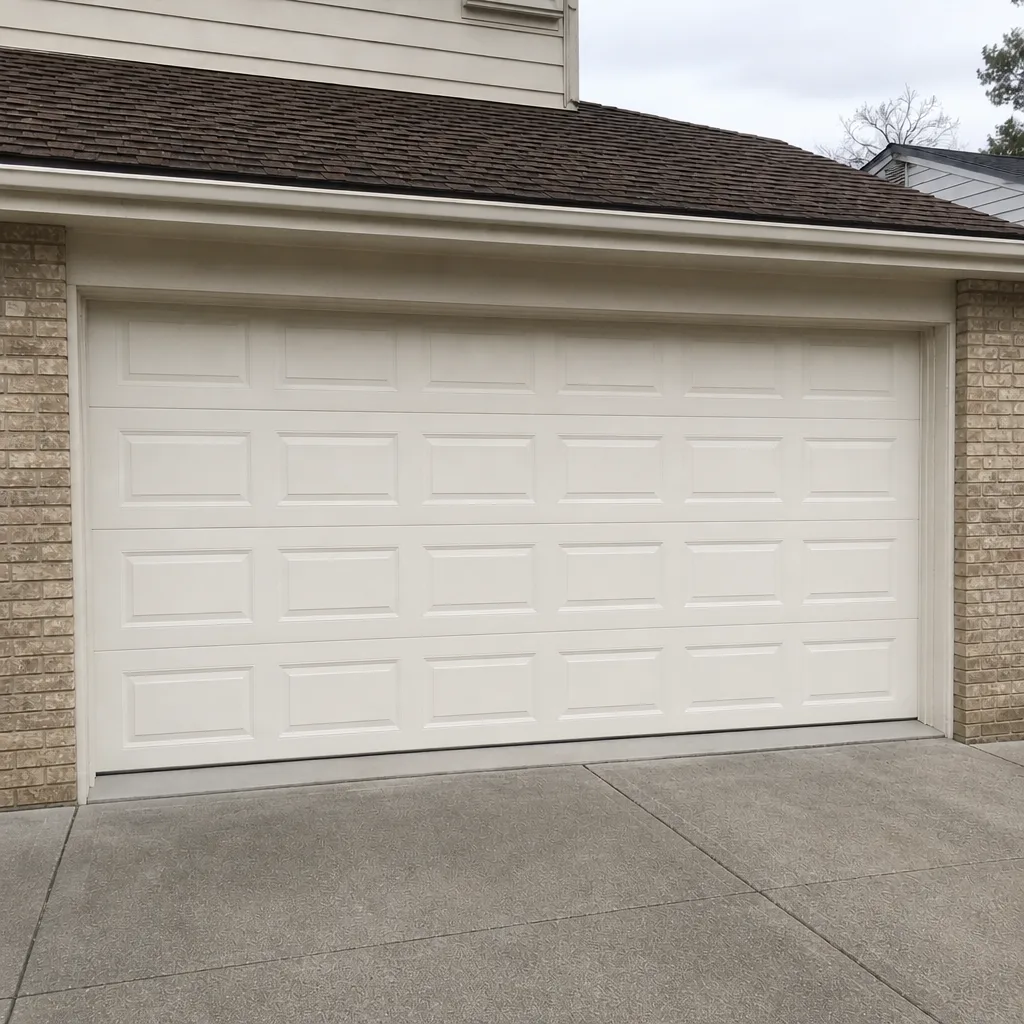 After
When to Call a Professional
Call us when the door won’t open or close completely, when you hear a snap or a scraping noise, when the door is noticeably heavier than it used to be, or when the opener reverses or stops mid-travel. Call us if the door has been struck by a vehicle or if any panel is cracked. Call us if you’re planning a replacement and want a written estimate you can bring to the HOA and the county. And call us if a spring breaks and you’re not sure what you’re looking at – springs are genuinely dangerous to handle.
Garage Door Repair Highlands Ranch offers free estimates in Highlands Ranch – call (877) 331-7827. We diagnose and repair, we handle any brand, and we’re here when a door fails and a car is trapped or the home is unsecured. We also quote and schedule full installations, so you can handle the HOA process with one point of contact.
Frequently Asked Questions
Yes, in almost every case. The HRCA reviews garage door replacements before installation, including color, window style, and material. Get the guideline packet from the association before you order, and plan the review timeline into your schedule. A door that goes in without approval can be flagged after installation.
Higher than a national brochure suggests for an uninsulated or single-layer door on an attached garage. The exact number depends on whether the garage is conditioned, which wall it faces, and how you use the space. The safest approach is to describe your home and use case to a technician and ask what insulation tier fits. R-value is one input, not the whole answer.
Spring life depends on cycle count, door weight, and the seasonal temperature swings, not a fixed number of years. A heavier insulated door and a north-facing garage tend to wear springs faster. Watch for a door that feels heavy, a visible gap in the coil, or a loud snap. If the door suddenly won’t lift, call before trying to open it.
Yes, for most repair calls. Spring, opener, and panel repairs are typically handled on the first visit when parts are on hand, and emergency service is available when a broken door traps a car or leaves a home unsecured. We’ll confirm timing when you call and quote before work begins.
It depends on the failure. A spring repair, an opener diagnosis, and a panel replacement are three different jobs with different parts and labor. We give a written estimate before any work starts, and the written quote is the price. Call (877) 331-7827 for an exact quote – estimates are free.
Repair when the failure is a single component and the door structure is sound – typically on homes under 15 years old. Replace when multiple systems are failing, when matching parts are discontinued, or when insulation performance is well behind current standards. Use the decision matrix above as a starting point, then get both quotes in writing.
The Bottom Line
A garage door decision in Highlands Ranch is really four decisions bundled together: material and insulation to handle the altitude and cold, an opener sized for the door’s weight, a color and window layout that passes HRCA review before installation, and a Douglas County permit that accounts for the attached garage’s fire separation. Get those four right and the door serves you quietly for years. Get them wrong and the HOA or a spring failure will remind you. Know your brand, keep up on the seals, and never take on a spring job yourself. The rest is a phone call.
Written by the team at Garage Door Repair Highlands Ranch.