Last updated November 22, 2026
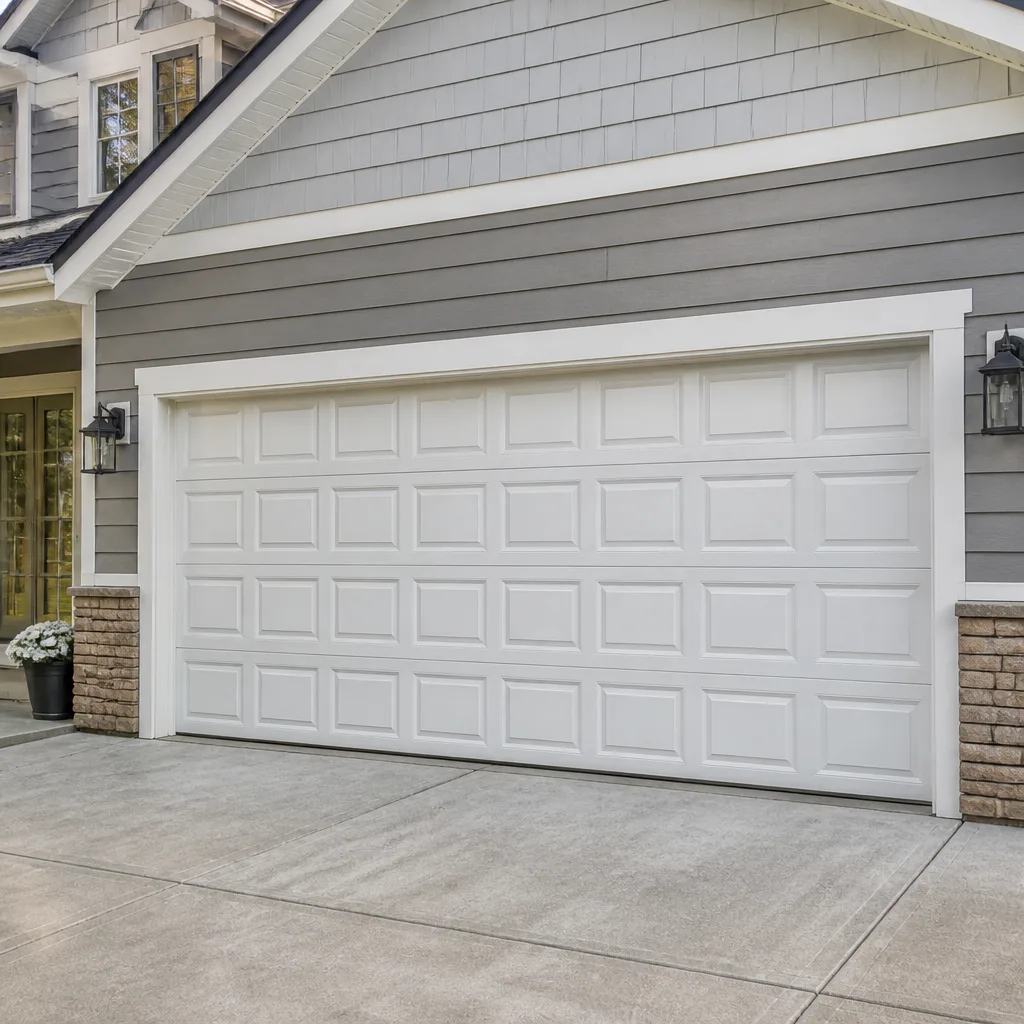 Raised-panel steel
 Carriage house
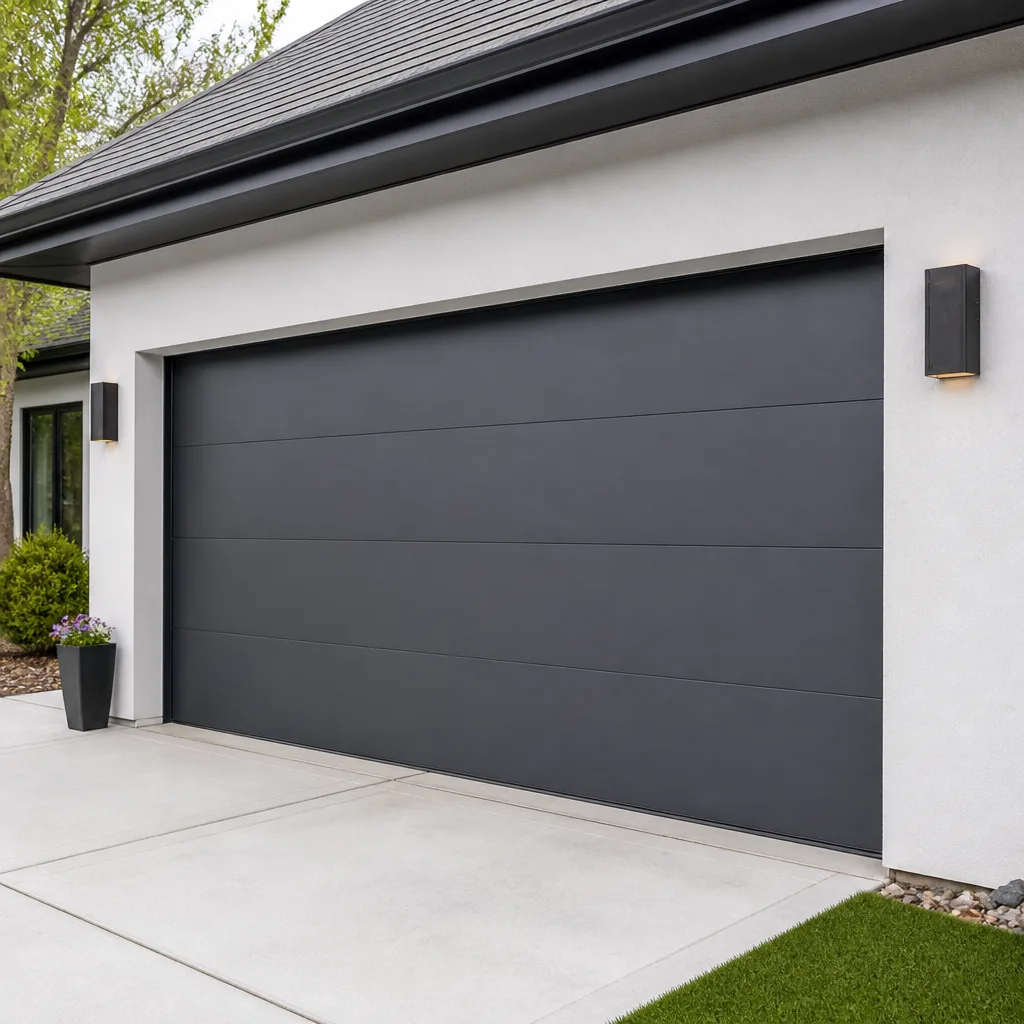 Modern flush
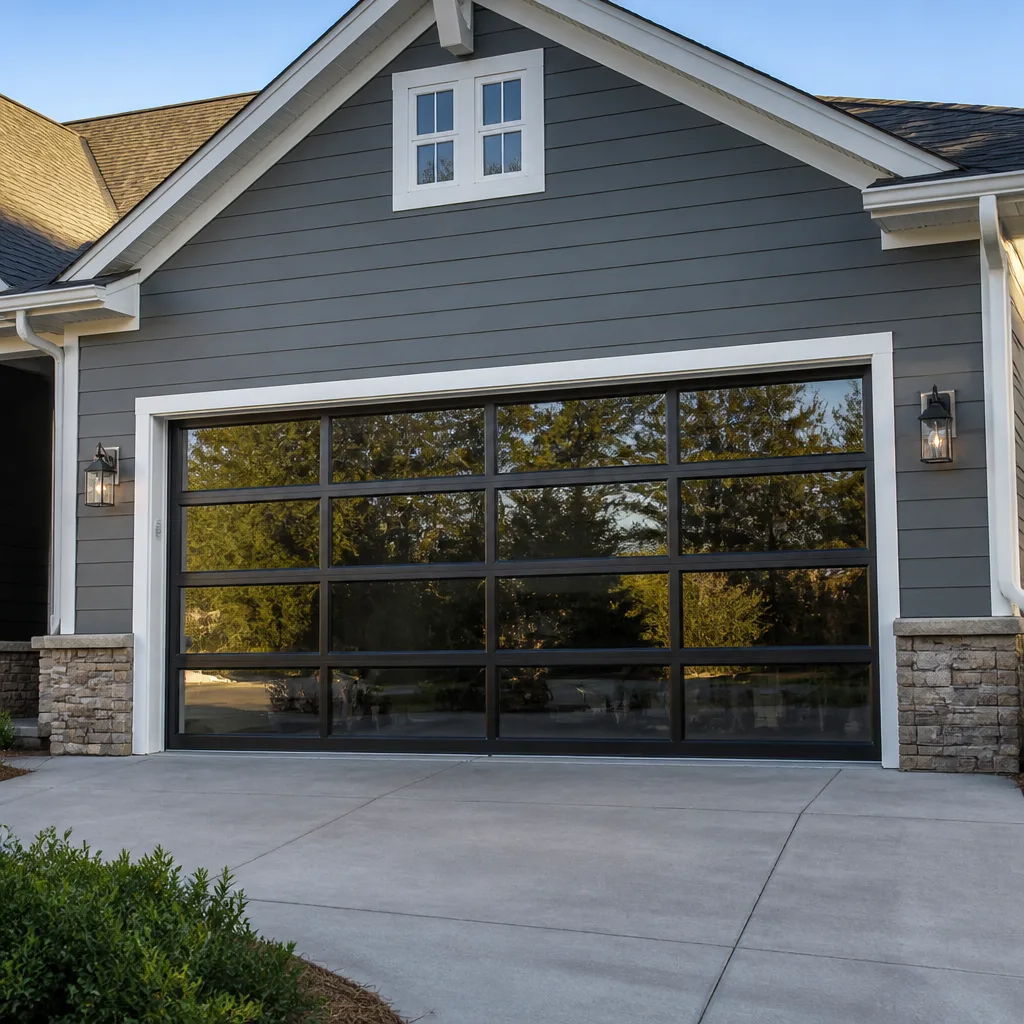 Full-view glass
 LiftMaster openers
 Chamberlain openers
Full 25-point door and opener safety check with every visit - springs, cables, rollers, tracks, and your LiftMaster or Chamberlain opener included
You get a price before we start. It does not change when the pro arrives.
Get your free estimateDIY vs Professional Garage Door: The Highlands Ranch Homeowner’s Decision Guide
Most homeowners assume the DIY decision comes down to skill. It doesn’t. The real question is which tasks can hurt you or wreck expensive components when they go wrong, and which ones simply can’t. A torsion spring holds enough stored energy to break a wrist or worse, and that single fact divides the entire list. This guide draws the line task by task for Highlands Ranch homeowners, so you can handle the safe jobs yourself and hand off the dangerous ones without second-guessing. You’ll learn what’s genuinely DIY, what never is, and how altitude changes the math.
Quick Answer
Lubrication, safety-eye alignment, track wiping, weather-seal replacement, and remote or keypad programming are safe for most homeowners to handle. Torsion springs, extension springs, cables, and full track or panel replacement are professional jobs, not because of difficulty but because a failure under tension can injure you or destroy the door and opener. When a spring or cable is involved, call a specialist.
Styles & brands we work with
- Raised-panel steel
- Carriage house
- Modern flush
- Full-view glass
- LiftMaster openers
- Chamberlain openers
Table of Contents
- Where the Line Actually Falls
- Safe DIY Garage Door Tasks in Highlands Ranch
- Tasks That Are Never DIY: Springs, Cables, and Tracks
- The Hidden Cost of DIY Mistakes
- What Colorado Altitude Does to Spring Tension
- The Tools Real DIY Maintenance Needs
- Using DIY Records to Get a Faster, Cheaper Diagnosis
- DIY vs Professional: A Cost Comparison
Where the Line Actually Falls
Garage door work splits cleanly into two categories: tasks that involve stored mechanical energy under tension, and tasks that don’t. That’s the line. It’s not about how handy you are or how many videos you’ve watched. It’s about physics.
On the safe side sit jobs where the worst outcome is a door that still doesn’t work and a call to a technician. Cleaning and lubricating rollers, aligning the safety sensors, reprogramming a remote, or replacing a bottom weather seal are all low-consequence. If you get them wrong, the door keeps misbehaving and nothing gets damaged beyond a few dollars in parts.
On the professional side sit torsion springs, extension springs, lift cables, and track replacement. Each stores or transmits force. A torsion spring under tension can release in a fraction of a second. A cable that slips can whip. Track work done without the right support can drop a door panel. These are the tasks where garage door spring repair becomes a call, not a project.
In Highlands Ranch, most of the doors we diagnose are one of two types: standard torsion-spring doors with a shaft above the opening, or extension-spring doors with springs running along the tracks. Both put the dangerous parts out of reach of casual work, which is exactly the point. The door works fine for months and then a spring lets go, and that’s when homeowners start weighing DIY versus a technician.
The rest of this guide takes each task on its own and tells you where it sits. That way you can stop guessing and get on with your day.
Safe DIY Garage Door Tasks in Highlands Ranch
These are the jobs a homeowner can reasonably do without a technician, provided the door is closed and disconnected from the opener. Each one carries a low risk of injury and a low cost of failure.
- Lubrication. A few drops of garage-door-specific lubricant on the hinges, rollers, and spring coils (never on the plastic idler wheels) keeps things quiet and reduces wear. It takes fifteen minutes and prevents a lot of noise complaints.
- Safety sensor alignment. The two photo-eye sensors near the floor should face each other and light up when the door is down. If the door reverses for no reason, a bumped sensor is usually the cause. Straightening and re-tightening is a legitimate DIY job.
- Remote and keypad programming. Adding a remote to a LiftMaster, Chamberlain, or Genie opener is a matter of pressing the learn button and following the manual. If it stops working, note the model before you call.
- Weather seal replacement. The rubber strip along the bottom of the door wears out from Colorado sun and temperature swings. Sliding a new seal into the aluminum retainer is straightforward.
- Track wiping and visual inspection. A rag and a flashlight let you spot a bent track, a frayed cable, or a worn roller before it becomes a bigger problem.
If you’re going to call a pro for anything, call for garage door opener repair once the remote stops responding and the basics don’t help. A failed opener under normal use is usually a logic board or a stripped gear, and that’s not a homeowner job.
Tasks That Are Never DIY: Springs, Cables, and Tracks
These tasks carry the real danger, and each has its own reason for being a professional job. This isn’t about gatekeeping. It’s about what happens when the tension releases.
- Torsion spring replacement. A torsion spring holds the full weight of the door and stores the energy needed to lift it. The winding process requires two winding bars and a precise number of turns; the wrong count, or a bar that slips, can send a spring or a bar across the garage. Nothing about this is a homeowner task.
- Extension spring replacement. Extension springs run along the horizontal tracks and are under constant tension. They fail more violently than torsion springs and need safety cables to contain a break. Even a door without cables is a sign to call, not to add them yourself.
- Cable replacement. Lift cables carry the load of the door and are under tension whenever the door is up. A slipping cable can whip and cut. Cables are tightened against the door weight, and an unbalanced cable is a door waiting to bind.
- Track replacement and straightening. Track alignment depends on precise measurement and door balance. A track that’s off by a fraction pulls the door out of square and forces the opener to work against it.
- Panel replacement on a loaded door. Swapping a section means supporting the door weight and releasing spring tension first. Without that, the door can drop or the torsion shaft can spin.
Spring work is the single most hazardous part of the trade, and professional spring work is why trained spring replacement is a dedicated service and not a general handyman task. If a spring has snapped, call for emergency garage door service so the door isn’t left unsecured. If you’d rather not touch the door at all, that’s what garage door repair is there for.
The Hidden Cost of DIY Mistakes
A DIY mistake often costs more than the job it was meant to save. The clearest example is an unbalanced door. If you replace a spring without matching the door’s actual weight, or if you adjust something and leave the door heavier on one side, the opener takes the load it was never designed to carry. Over six to eighteen months that imbalance wears the opener’s gear and motor, and you’re replacing an opener you didn’t need to touch.
The warranties are the other half of the story. Most manufacturers void opener and door warranties when a non-professional touches the tension-providing components. That means the warranty you paid for on a LiftMaster or Genie opener is gone the moment a compromised spring is part of the repair. And springs are matched pairs. Replacing one side of a pair leaves the door unevenly tensioned, which is a fast track to a short-lived opener.
In our experience across Highlands Ranch, the most common pattern is a homeowner who replaces one spring, the door runs badly for a year, and the opener dies. The original spring repair might have been modest; the opener replacement and the second spring job together cost far more than doing the matched pair once. The written estimate up front would have shown both.
Panel and track damage follows the same rule. A door that’s off-track and worked anyway can wear the hinges and rollers unevenly, and the eventual repair is bigger than the one you skipped.
What Colorado Altitude Does to Spring Tension
Highlands Ranch sits far above sea level, and altitude changes how a garage door balances. Door weight is the same everywhere, but the spring winding count that holds a given door at sea level is not the same count that holds it at altitude. Thin air also changes how a tensioned spring behaves under load. Following a video tutorial calibrated for sea level will leave you an unbalanced door, not a fixed one.
The principle is simple: the spring has to match the door’s weight and the balance point, not a generic tutorial. If you install a spring with too few turns, the door sags and the opener strains. Too many turns, and the door jumps and the spring wears fast. In an altitude town like Highlands Ranch, that balance is more sensitive, not less, because the door does more work to travel cleanly. That’s exactly the kind of thing a technician checks before and after a spring repair.
Altitude also affects how quickly the door operation feels off. A door that balanced fine with one set of springs can bind after a swap, and the homeowner never knows why. The answer is usually that the spring and door weight drift apart, and the fix is a trained technician setting the balance point with the door down and the opener disconnected.
Homeowners who take on the safe maintenance tasks themselves free up the time and money to have the tension work done right. That’s the honest split.
The Tools Real DIY Maintenance Needs
A legitimate DIY maintenance toolkit is short and cheap. Here’s what a homeowner actually needs for the safe side of the list:
- A lithium grease lubricant made for garage doors, not WD-40, which attracts dirt.
- A small adjustable wrench and a screwdriver set for sensor brackets and retainer screws.
- A level or a straightedge to check that the sensors are level with each other.
- A soft rag and a flashlight for track wiping and inspection.
- The opener manual or a note of the opener model, so any call is faster.
- A pair of work gloves for the occasional sharp edge.
The moment the tool list needs winding bars, a C-clamp setup, or a come-along to hold a door section, the job has crossed into professional territory. That’s your signal. If you find yourself buying a tool you’ll use once and can’t return, stop and call a specialist. The cost of the tool is usually close to the cost of having a technician do it, without the risk.
Using DIY Records to Get a Faster, Cheaper Diagnosis
You can turn your own maintenance notes into leverage. A technician with a short, clear record of what’s been done can often diagnose faster and avoid the exploratory steps that add to a bill. You don’t need a formal log; a note on your phone is fine.
- Note the door type and model. Torsion or extension springs, door brand, and any brand marking on the opener, such as Chamberlain or Raynor.
- Write down the failure. Did the door stop mid-travel, reverse, or hang or drop? “Door reverses after six inches” tells a technician more than “it’s broken.”
- Record the safe maintenance you’ve done. Last lubrication, last time you straightened a sensor, any remotes added.
- Keep the last written estimate and any prior repair paperwork. A technician can see which parts are matched and avoid re-quoting work that’s within warranty or recently done.
- Note the date and time the failure first showed up. “Started Saturday morning” after a cold snap is a useful clue.
Hand a technician that list and you skip five minutes of questions. In our experience, a clear record is the difference between a technician who can quote on the spot and one who needs to test every component. You’re not paying less per hour, but you’re likely paying for fewer hours.
For anything beyond the safe list, the one link that matters most is Garage Door Repair Highlands Ranch when a door needs a trained hand, because the wrong move on a spring is the wrong move for everyone.
DIY vs Professional: A Cost Comparison
A fair comparison includes the third cost nobody likes to mention: the cost of a DIY fix that makes things worse. Here’s the honest split between what you can do yourself and what the professional side costs.
- Lubrication: a few dollars in lubricant, DIY.
- Safety sensor adjustment: no parts, DIY.
- Remote or keypad programming: no parts, DIY.
- Bottom weather seal replacement: low-cost part, DIY.
- Single spring replacement: professional job; a matched pair is usually required together.
- Cable replacement: professional job.
- Track and panel work: professional job.
- Opener replacement or board repair: professional job on most models.
Pricing for the professional side is quoted by estimate and agreed in writing before any work begins. The written estimate is the price, and it should show the parts and the labor separately so you can compare. The one number to watch: a spring is priced per spring, and a matched pair usually costs about twice a single spring, because that’s the part count.
Where homeowners win is at the boundary. Do the safe jobs, keep a short record, and call for spring, cable, track, and opener failures. That’s the split that protects your safety and your wallet.
Common Mistakes to Avoid
- Replacing one spring of a pair. A matched pair shares the door’s weight, and replacing one side leaves the door unbalanced and the other spring working against tension. Match the pair or call a technician.
- Following a sea-level tutorial at altitude. Highlands Ranch’s altitude changes the winding count that holds a door’s weight. A generic video will leave you an unbalanced door.
- Lubricating the wrong parts. Grease on the plastic idler wheels or the track itself collects dirt and adds drag. Stick to hinges, rollers, and spring coils.
- Working on a tension-loaded component with the door up. Springs and cables must be handled with the door closed and the opener disconnected, and ideally not by a homeowner at all.
- Ignoring a door that reverses for no reason. A misaligned sensor is a five-minute DIY fix; waiting can mask a bigger opener problem.
- Assuming a warranty covers a DIY repair. Most manufacturers void door and opener warranties once a non-professional touches the tension components.
- Skipping the record. Calling without a model, a symptom, or prior repair history makes the diagnosis slower and the estimate longer.
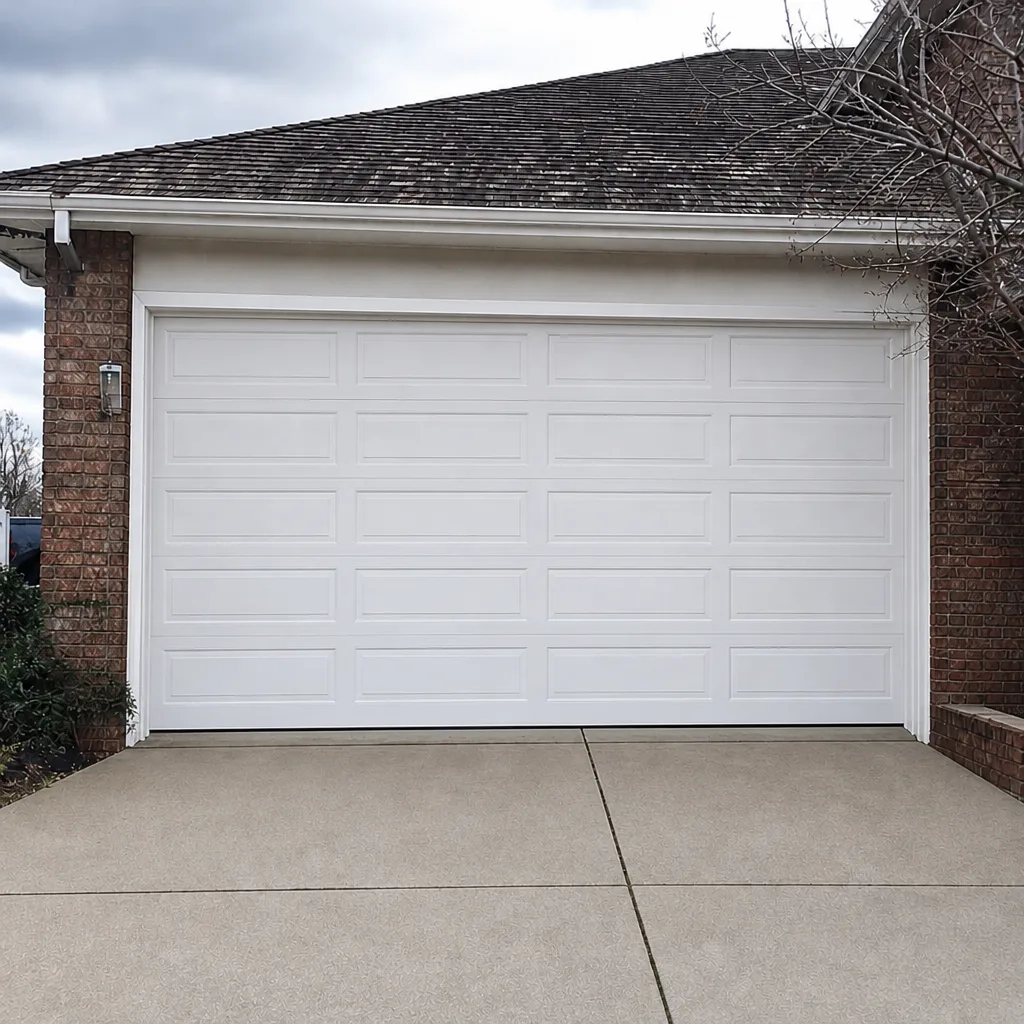
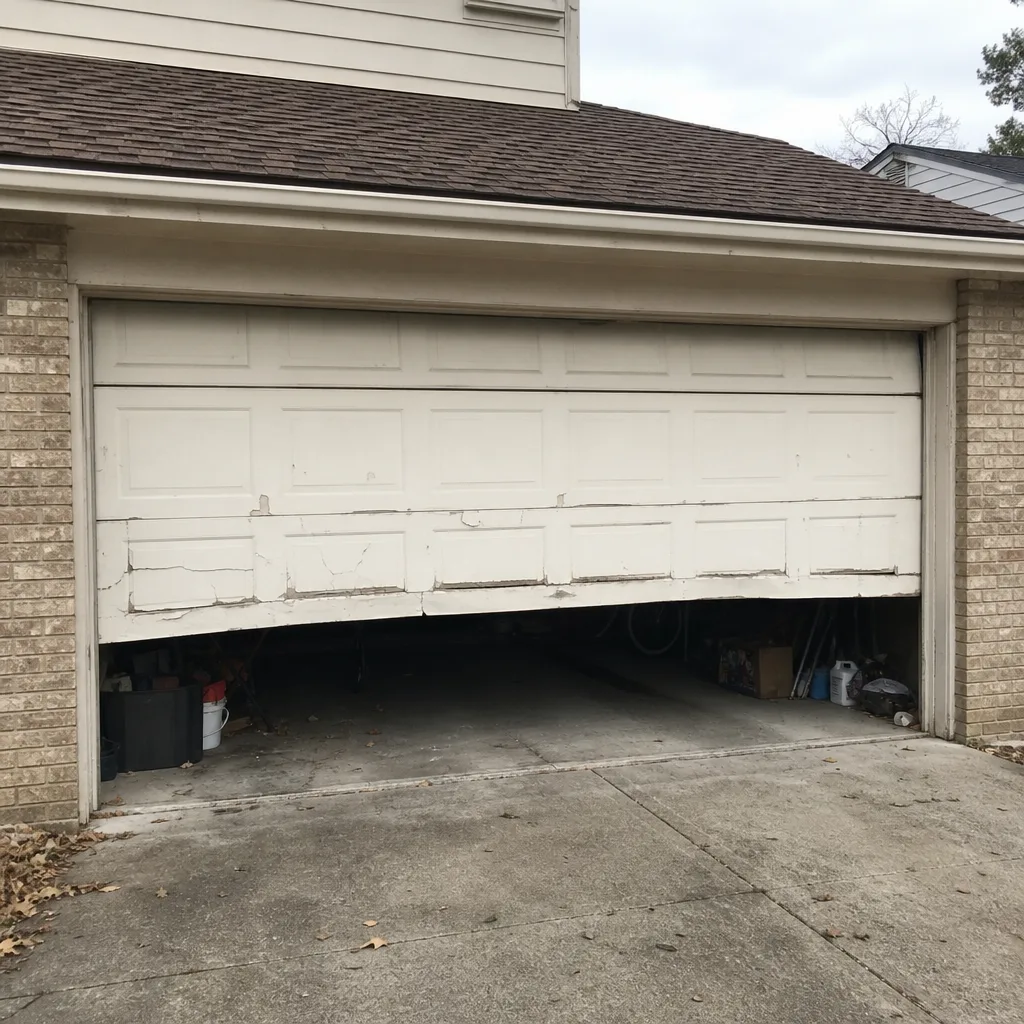
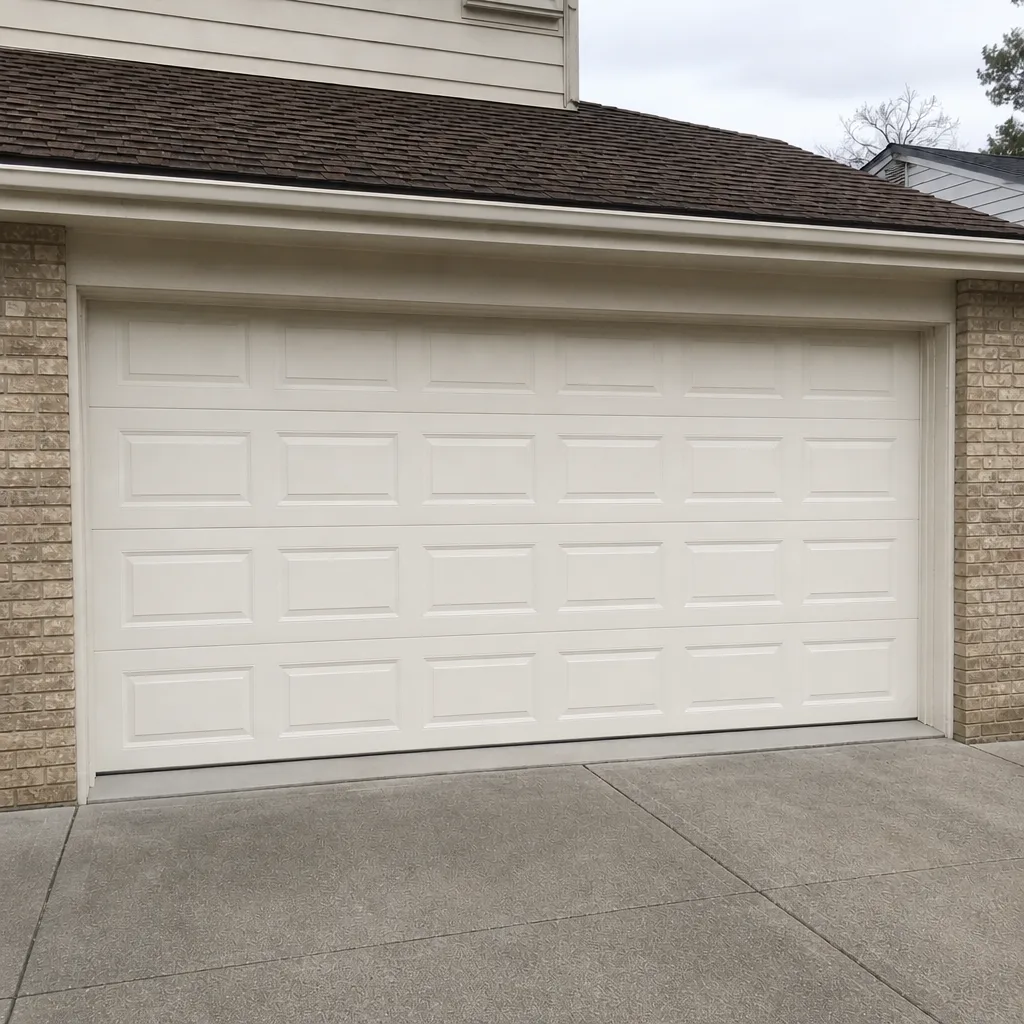
See the difference
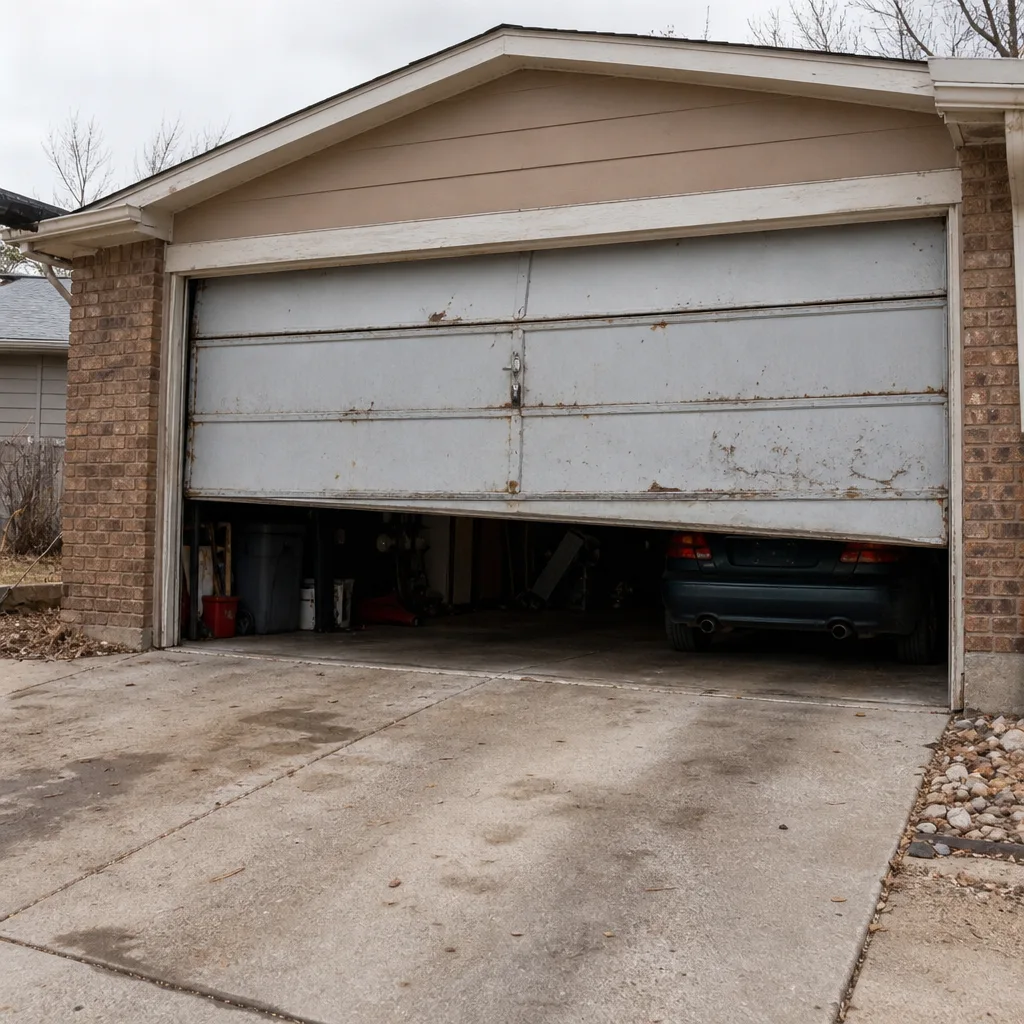 Before
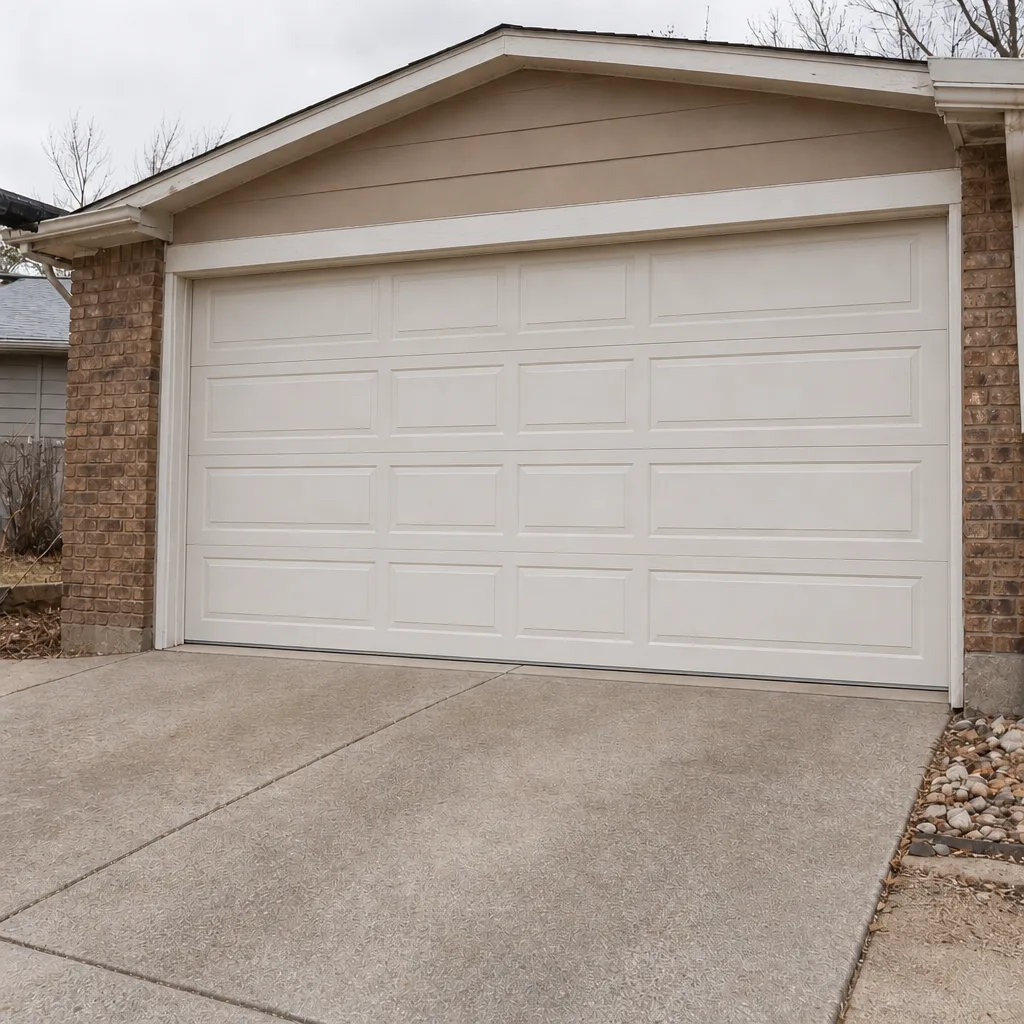 After
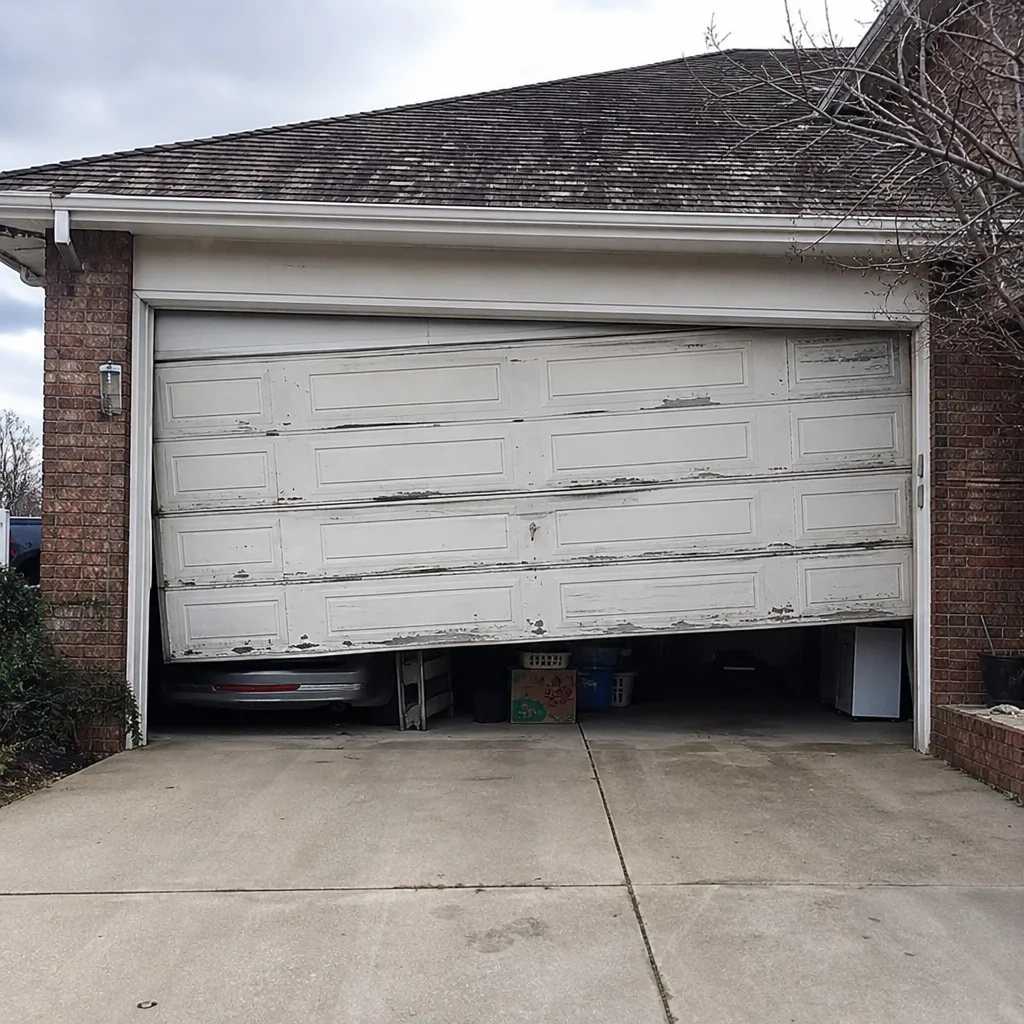 Before
 After
 Before
 After
When to Call a Professional
Call a professional the moment the job involves a spring, a cable, a track, or a door panel. Call sooner if a spring has snapped and the door is open or the car is trapped; that’s what emergency garage door service is for. Call if the door reverses, hangs, or drops, and you’ve already tried the safe fixes. Call if you’re unsure which side of the line a job falls on, because the wrong call on a spring can cost far more than the job. Garage Door Repair Highlands Ranch offers free estimates in Highlands Ranch – call (877) 331-7827. A written price is agreed before any work starts, and our technicians are trained to diagnose and repair the eight leading garage door brands, including LiftMaster, Chamberlain, Genie, and Raynor.
Frequently Asked Questions
No. A torsion or extension spring stores enough energy to cause serious injury, and the winding and winding-down process requires tools and technique a homeowner doesn’t have. Spring replacement is a professional job, and it should be done with the door closed and the opener disconnected by a trained technician. Call (877) 331-7827 for a free estimate on spring repair.
Yes, for the safe tasks. Lubrication, sensor alignment, track wiping, weather-seal replacement, and remote or keypad programming are all reasonable DIY jobs in Highlands Ranch. The key rule is to stop at anything under spring or cable tension.
It often can, because the hidden cost is the opener and the warranty. An unbalanced door wears the opener’s gear and motor over six to eighteen months, and most manufacturers void the warranty once a non-professional touches the tension components. The written estimate up front is the number to compare against that risk. Call (877) 331-7827 for a free quote.
Yes. Door weight is the same at altitude, but the spring winding count that holds a given door at sea level won’t balance it here. Following a sea-level tutorial will leave you an unbalanced door that wears the opener. A technician sets the balance point, and that’s part of the reason spring repair is a professional job.
A garage-door lubricant, a small wrench and screwdriver set, a level, a rag, a flashlight, gloves, and the opener manual are enough for the safe tasks. If you need winding bars, a C-clamp, or a come-along, the job has crossed into professional territory. Call (877) 331-7827 and we’ll confirm whether it’s a DIY task or a repair.
Yes. A short record with the door and opener model, the symptom, and any prior repairs lets a technician diagnose faster and avoid unnecessary testing. That saves time and can lower the total bill, though the written estimate is always the final price. Call (877) 331-7827 to book a free estimate.
The Bottom Line
The DIY-versus-pro decision for a garage door comes down to tension, not skill. Lubrication, sensor alignment, seal replacement, and remote programming are safe to handle yourself. Torsion springs, extension springs, cables, tracks, and panels are not, because a failure under load can injure you or destroy expensive components. In Highlands Ranch, altitude makes balance more sensitive, so even a spring you buy yourself may not match the door’s weight. Do the safe jobs, keep a short record, and call a specialist for anything under tension. That’s the split that protects your safety and your wallet.
Ready to stop guessing? Call (877) 331-7827 for a free estimate. Garage Door Repair Highlands Ranch offers free estimates in Highlands Ranch, and the written price is agreed before any work starts.
Written by the team at Garage Door Repair Highlands Ranch.