Last updated November 22, 2026
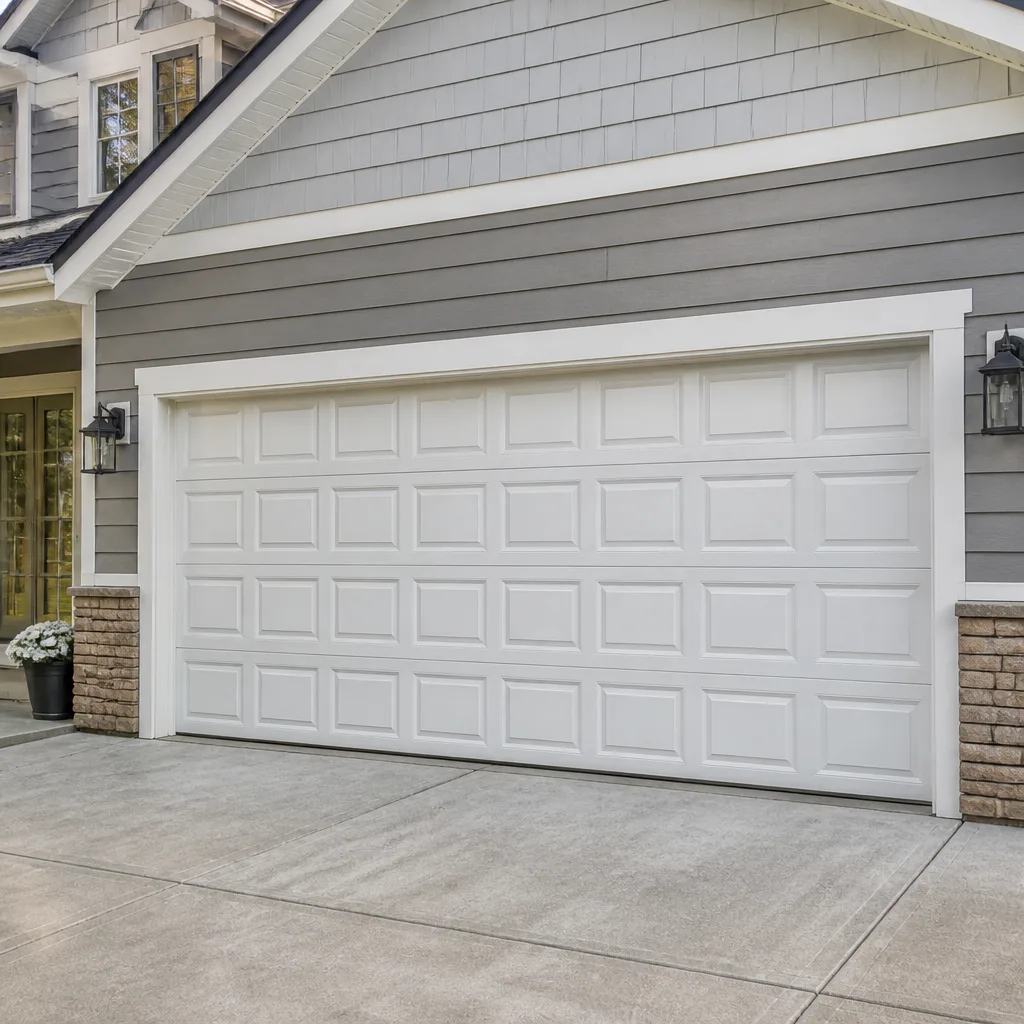 Raised-panel steel
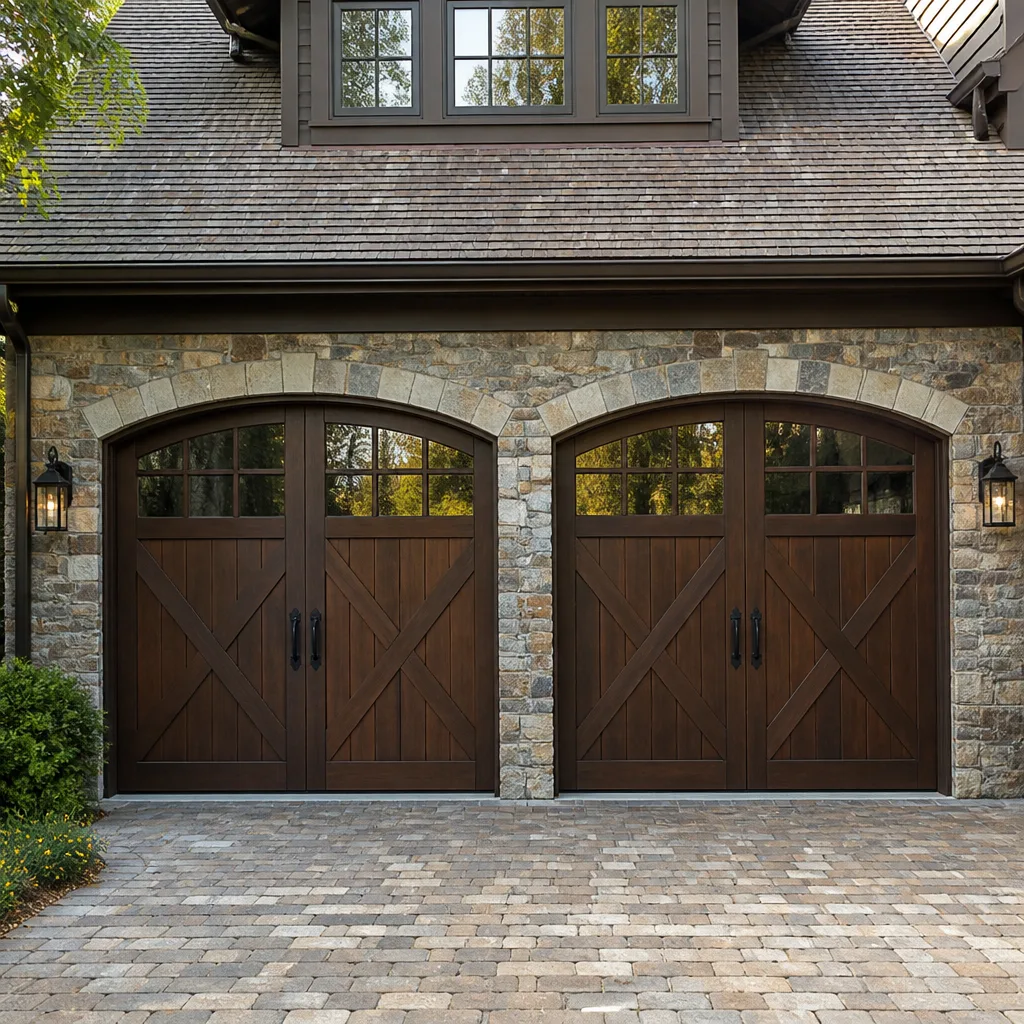 Carriage house
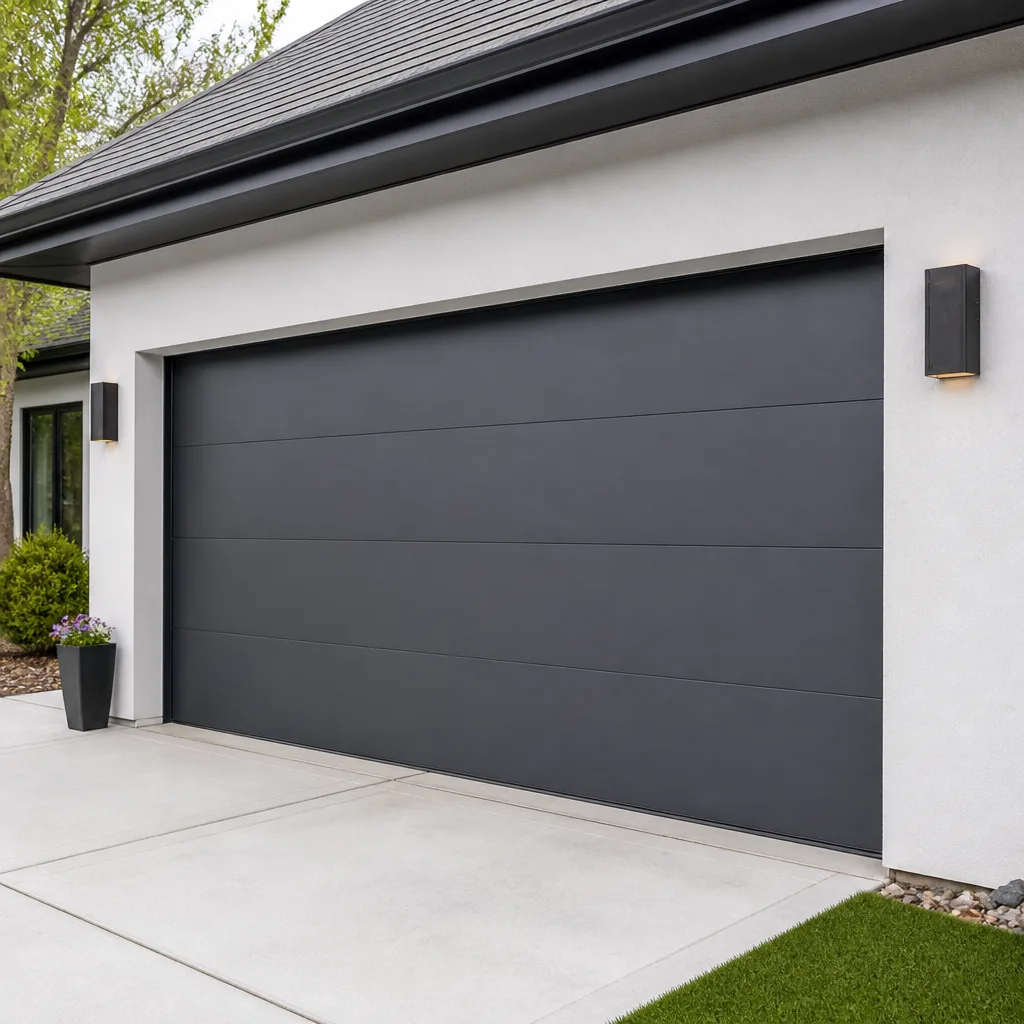 Modern flush
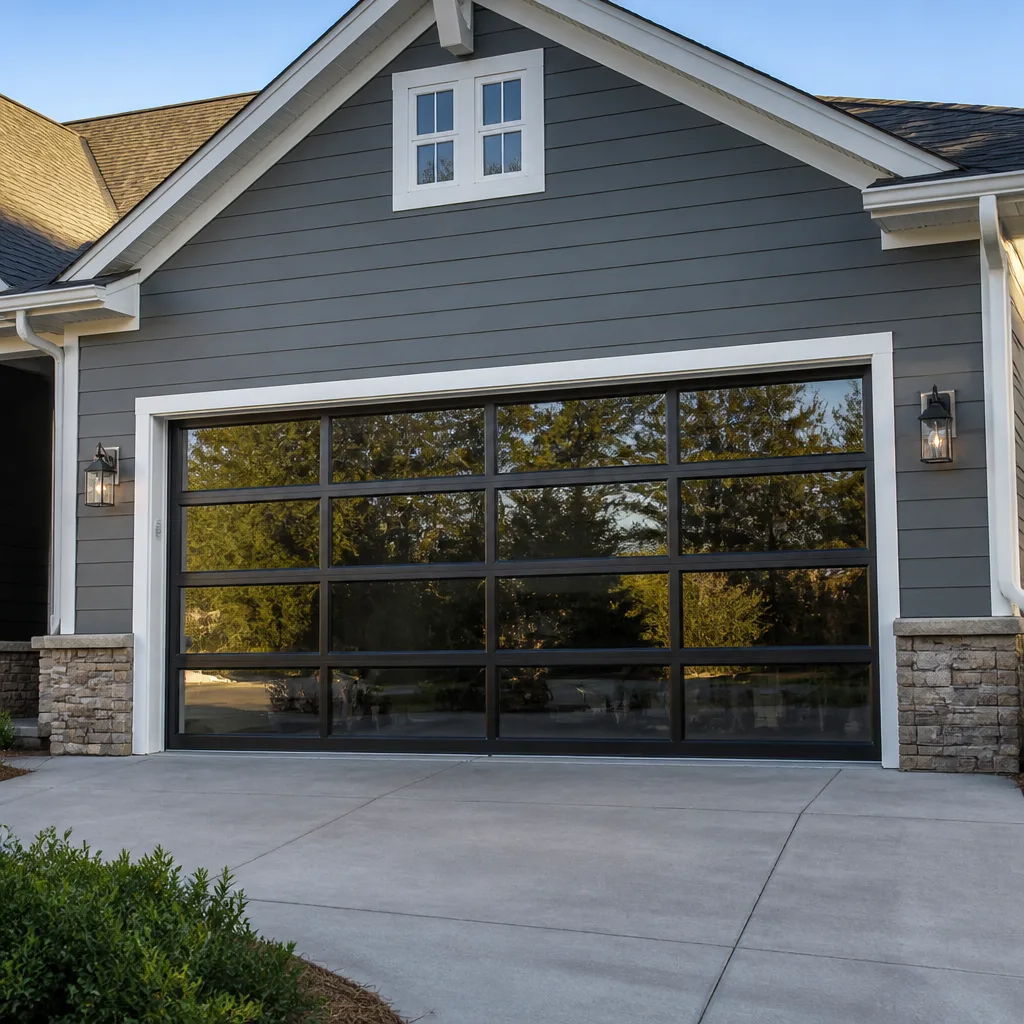 Full-view glass
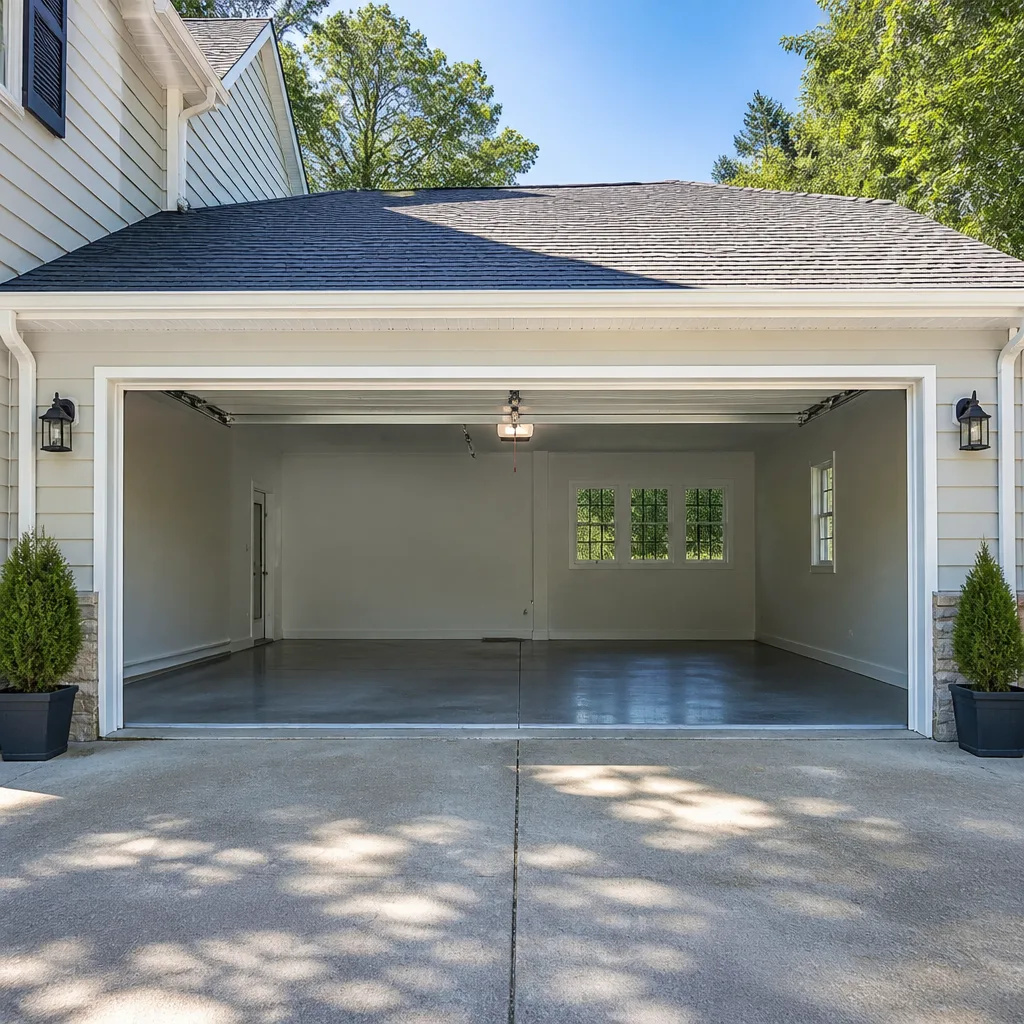 LiftMaster openers
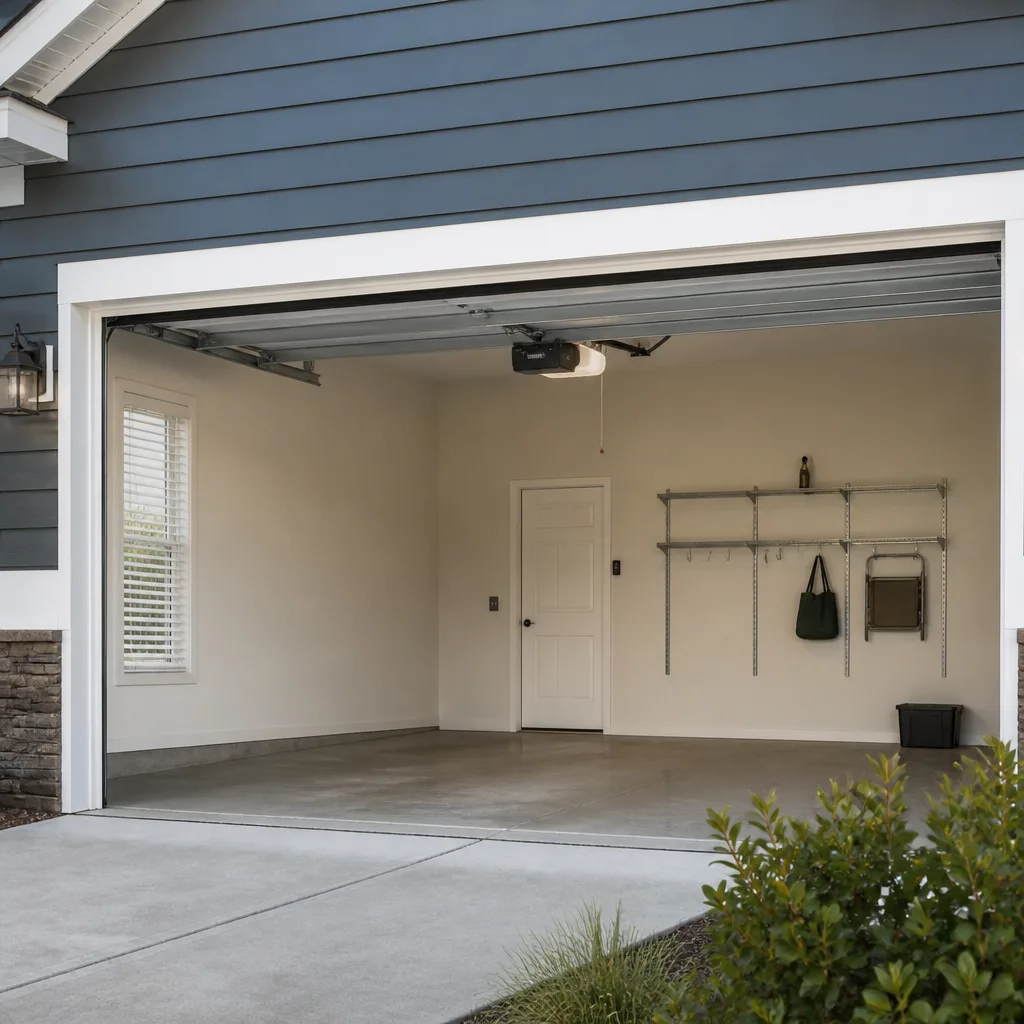 Chamberlain openers
Full 25-point door and opener safety check with every visit - springs, cables, rollers, tracks, and your LiftMaster or Chamberlain opener included
You get a price before we start. It does not change when the pro arrives.
Get your free estimateGarage Door Repair Maintenance Checklist for Highlands Ranch Homeowners
Skipping one lubrication cycle through a Colorado winter doesn’t just make your door noisy. It’s how a tube of grease that costs less than lunch turns into a spring replacement by February, because a dry, dragging door makes the springs work harder every single cycle. That’s the part most checklists leave out: timing. A garage door in Highlands Ranch doesn’t fail randomly. It fails on a calendar, and that calendar is written by freeze-thaw cycles, dry summer heat, and the specific doors that went into the ground during the 2000s building boom. This guide walks you through what to check, when to check it, and why the timing matters so much here. We’ll cover a month-by-month schedule, the five components that wear out first in this climate, lubricants that actually hold up below 20°F, a two-minute balance test, and what to photograph each year so a technician can diagnose remotely.
Quick Answer
A garage door maintenance checklist for Highlands Ranch should follow the seasons: inspect and lubricate in fall before the first hard freeze, watch for freeze-thaw stress on springs and tracks through winter and early spring, check rollers and hinges in late spring, and test balance and safety reversal every couple of months year-round. The single most predictive check is a two-minute balance test, because a door that won’t hold position tells you your springs and opener are both under strain before either one fails.
Styles & brands we work with
- Raised-panel steel
- Carriage house
- Modern flush
- Full-view glass
- LiftMaster openers
- Chamberlain openers
Table of Contents
- Why Highlands Ranch Doors Fail on a Calendar
- The Month-by-Month Maintenance Schedule
- The Five Components That Fail First on 2000s-Era Doors
- Lubricants That Survive Colorado Temperatures
- The Two-Minute Balance Test
- What to Photograph and Document Each Year
- Common Mistakes to Avoid
- When to Call a Professional
Why Highlands Ranch Doors Fail on a Calendar
Most garage door maintenance advice you’ll find online reads like it was written for a place with one season. Here, the door moves through four distinct stress regimes, and each one loads a different part of the system. That’s why the when matters as much as the what.
Start with winter. Highlands Ranch sits on the high plains south of Denver, and the swing between a mild afternoon and a single-digit night is routine. Metal contracts when it’s cold. A torsion spring that’s fine at 40°F is under different tension at 5°F, and a door that binds slightly in October can become a door that stalls in January. The freeze-thaw cycle makes it worse at ground level, where meltwater from the apron and the driveway refreezes near the bottom seal and the bottom rollers.
Spring brings the melt and the dust. Grit and de-icer residue work into the tracks and the roller bearings. Summer bakes the door itself, especially a south-facing door, while the opener’s motor and logic board run in a garage that can get genuinely hot. Then the first cold snap in October catches every door that skipped its fall service. The pattern repeats, and once you see it, the checklist stops being a chore and starts being a schedule.
One more local factor: Highlands Ranch has thousands of homes built through the 2000s, which means a large share of doors here are now at the age where original parts start reaching end of life at the same time. Age plus seasonal stress is what actually produces failures, not either one alone.
The Month-by-Month Maintenance Schedule
This is the calendar. It’s built for Highlands Ranch’s freeze-thaw pattern and temperature extremes, and it assumes a standard residential sectional door. You won’t do every task every month, but the seasonal anchors are the ones that matter most.
- September (before the first hard freeze): Do your full fall service. Lubricate hinges, rollers, and the torsion spring, check the bottom seal for cracks, test the door balance, and photograph the whole system for your annual record. This is the single most important service window of the year here.
- October – November: Watch for new noise or a door that hesitates at the top of its travel. Cold metal amplifies problems that were quiet in summer. Re-check the weather seal on the bottom edge; a stiff, cracked seal lets cold air and moisture in.
- December – February: The deep-winter stretch. Keep the bottom of the tracks clear of ice and grit, listen for grinding or popping, and confirm the safety reversal still trips if something is in the path. Don’t add grease in the cold; use the right lubricant if you touch it at all.
- March – April: Post-thaw inspection. Look at springs for gaps or a stretched look, walk the tracks for dents or misalignment, clean out the grit that collected over winter, and re-lubricate.
- May – June: Late-spring check on rollers and hinges for wobble or wear, a look at the opener’s rail and belt or chain tension, and a balance test. This is a good window to address anything that got noisy over winter.
- July – August: Heat and dust season. Clean and lubricate the tracks, check that the door isn’t rubbing or binding in the heat, and look at the opener’s moving parts. A door that runs fine cool but rough in the afternoon heat is telling you something.
Between the seasonal anchors, a quick monthly walk-around takes about five minutes: run the door once, listen, and look. Most failures announce themselves weeks before they happen.
The Five Components That Fail First on 2000s-Era Doors
Doors installed during the 2000s building boom across Highlands Ranch share a wear profile. If your home went up in that era, these are the five parts to watch, and how to spot early wear before it becomes a stranded car.
- Torsion springs: The most mechanically critical part of the system, and the one that carries the most risk. Look for a visible gap in the coil, a spring that looks stretched, or a door that suddenly feels heavy. A spring near end of life often gets noisy first.
- Nylon or steel rollers: Originals from that period are often worn flat on one side. A door that rumbles or vibrates on the way up usually has a roller with a flat spot. Wobble at the roller stem is the other giveaway.
- Hinges: The hinges on a door of this age wear at the pin and develop play. A door that sags slightly at one panel corner, or pops as it moves, points to hinge wear.
- The bottom seal and weatherstripping: Rubber hardens and cracks in this climate faster than most people expect. A cracked bottom seal lets in cold, moisture, and pests, and can also throw off the door’s close.
- The opener’s drive components: Belts, chains, and the trolley on an opener from the 2000s are reaching the end of their service life. A door that reverses for no reason or a motor that strains is often an opener issue, not a door issue.
Spotting early wear is mostly about the sound and the feel. A well-tuned door is quiet and even. Anything that grinds, pops, shudders, or hesitates is telling you which of these five is going.
Lubricants That Survive Colorado Temperatures
Most general-purpose sprays sold at big-box stores thin out or gum up below 20°F, which is exactly the temperature range where a Highlands Ranch door needs the most protection. If your lubricant turns stiff in the cold, it’s not lubricating; it’s dragging.
The short answer is a garage-door-specific lithium or silicone-based lubricant rated for low temperatures, applied to the right spots and not the wrong ones. Here’s how to think about it:
- Use a garage-door-rated lubricant that stays fluid in cold weather. A product that’s rated for a wide temperature range is what you want, and if the label doesn’t say, don’t trust it for a Colorado winter.
- Apply to hinges, rollers, and the torsion spring. A light coat on the hinge pins, a drop or two on each roller bearing (not the track), and a wipe-down on the spring coil.
- Do not grease the tracks. Tracks collect dust and grit, and grease turns that into a paste that wears rollers faster. Clean the tracks, don’t lube them.
- Skip the bottom seal and the opener rail’s exposed belt or chain unless the manufacturer calls for it. Over-lubrication attracts dirt.
The timing point: lubricate in the fall before the first hard freeze, again after the spring thaw, and in midsummer if the door gets noisy. If you’re not sure what product is right for your door, that’s a fair question for us; we work on the major brands daily and can tell you what holds up.
The Two-Minute Balance Test
The balance test is the single most predictive check you can do, because it catches spring and opener problems before either one fails. You can do it in under two minutes, and it tells you more than a visual inspection ever will.
- Disconnect the opener. Pull the release cord so the door is free to move by hand, with the motor out of the picture.
- Lift the door to about halfway and let go. It should hold roughly in place.
- Lift it to about waist height and let go. Again, it should hold, or drift very slowly.
- Watch what it does. If the door drops on its own, the springs are weak or failing. If it rises on its own, they’re over-tensioned. If it slams or moves fast, don’t test it further.
Reconnect the opener when you’re done and run the door once to confirm it re-engages. If the door won’t hold position, you’ve found the problem before it became an emergency. Weak springs strain the opener, and a strained opener is the second failure waiting to happen. From there, the fix is usually spring work, which is a job for a trained technician. Torsion springs are under extreme tension and can cause serious injury if handled wrong; don’t try to adjust or replace them yourself. If the balance test points to spring trouble, our garage door spring repair team can diagnose and repair it safely.
What to Photograph and Document Each Year
An annual record does two things: it lets a technician diagnose remotely so they arrive with the right parts, and it gives you a baseline for spotting wear. Most calls that go smoothly are the ones where we’ve seen the door before.
Here’s what to capture each fall:
- The torsion spring from a straight-on angle, so any gaps or stretching are visible.
- The rollers and hinges at a couple of panels, close enough to see wear on the roller and play at the hinge.
- The opener’s label and model number, plus a shot of the rail and the trolley. Brand and model tell a technician exactly what they’re working with.
- The bottom seal and the area where the door meets the floor, so cracks and gaps are on record.
- The full door, open and closed, to show panel condition and alignment.
Keep the photos in a folder on your phone and note the date. If something starts failing, you hand a technician the history instead of describing it from memory. That alone shortens a lot of repair visits, and it’s a practical edge for a garage door repair diagnosis when a door starts acting up.
See the difference
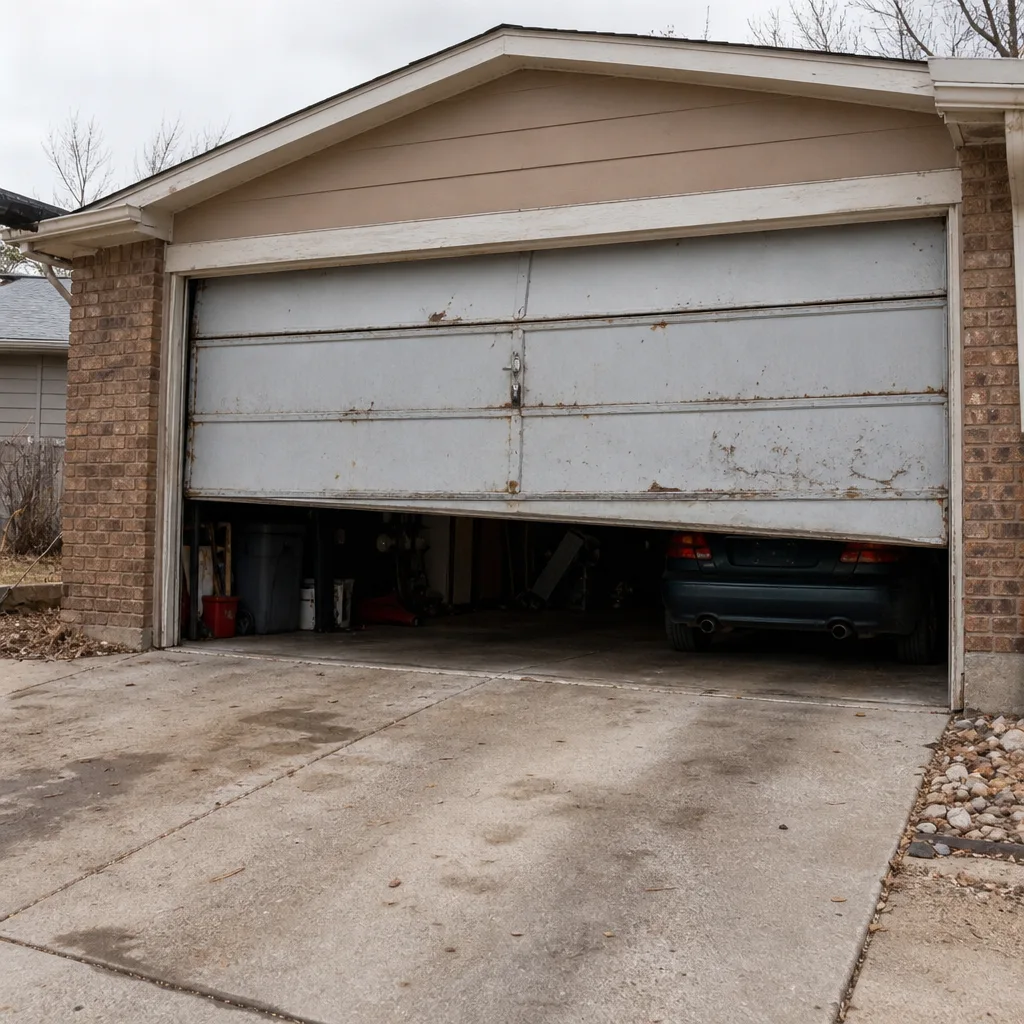 Before
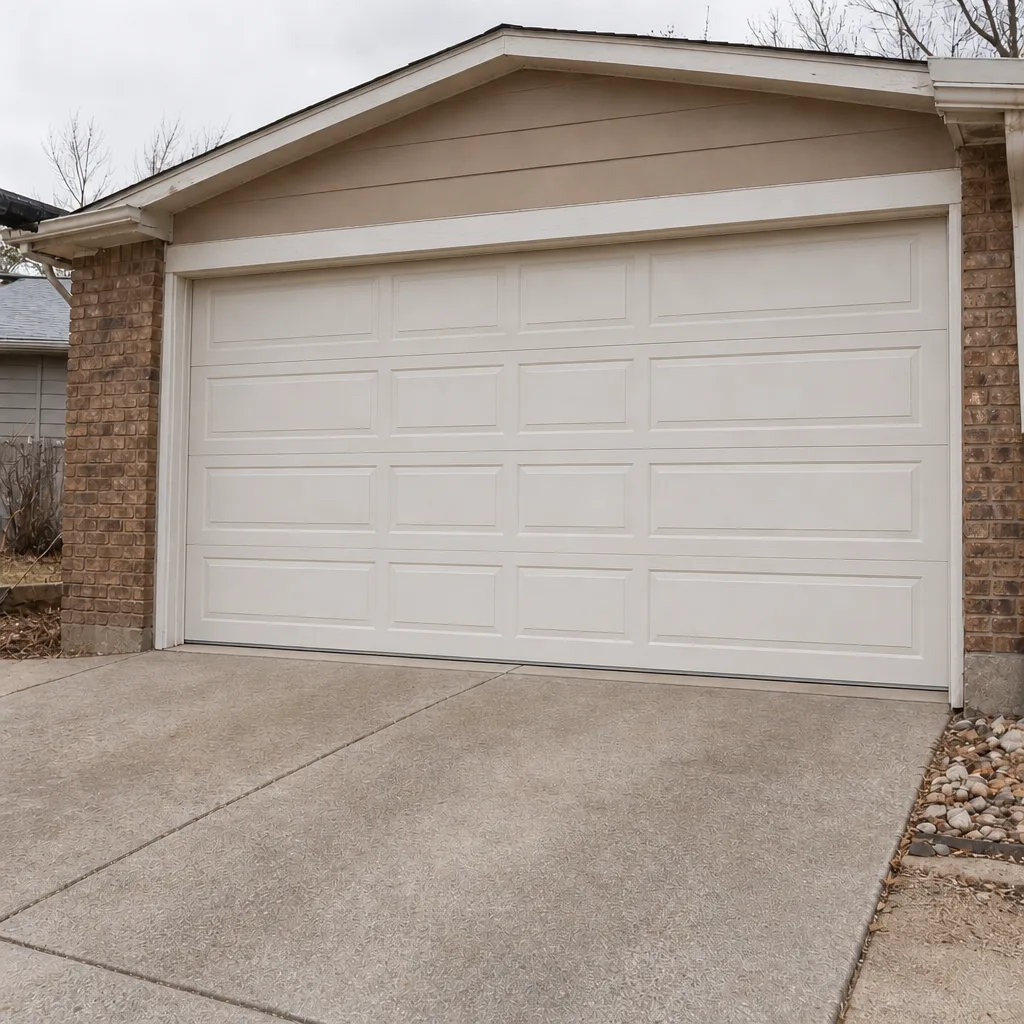 After
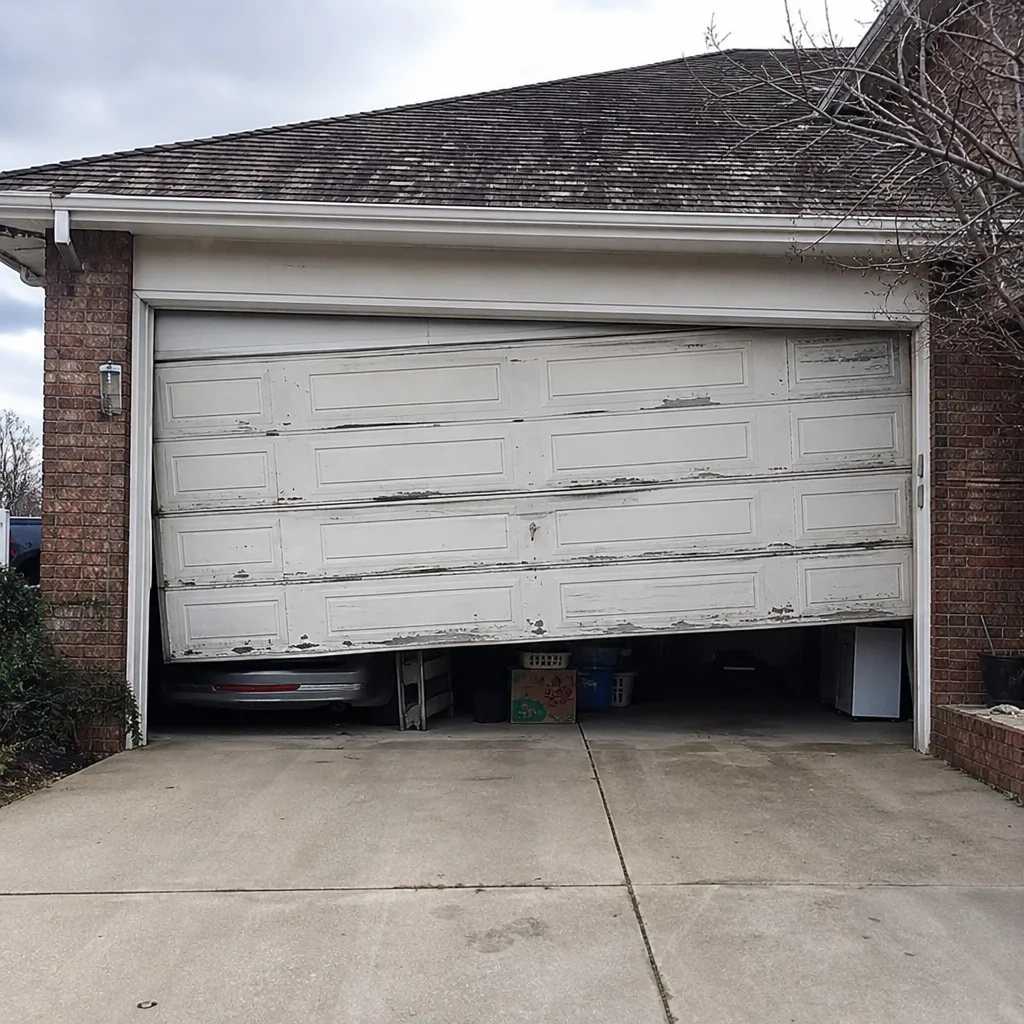 Before
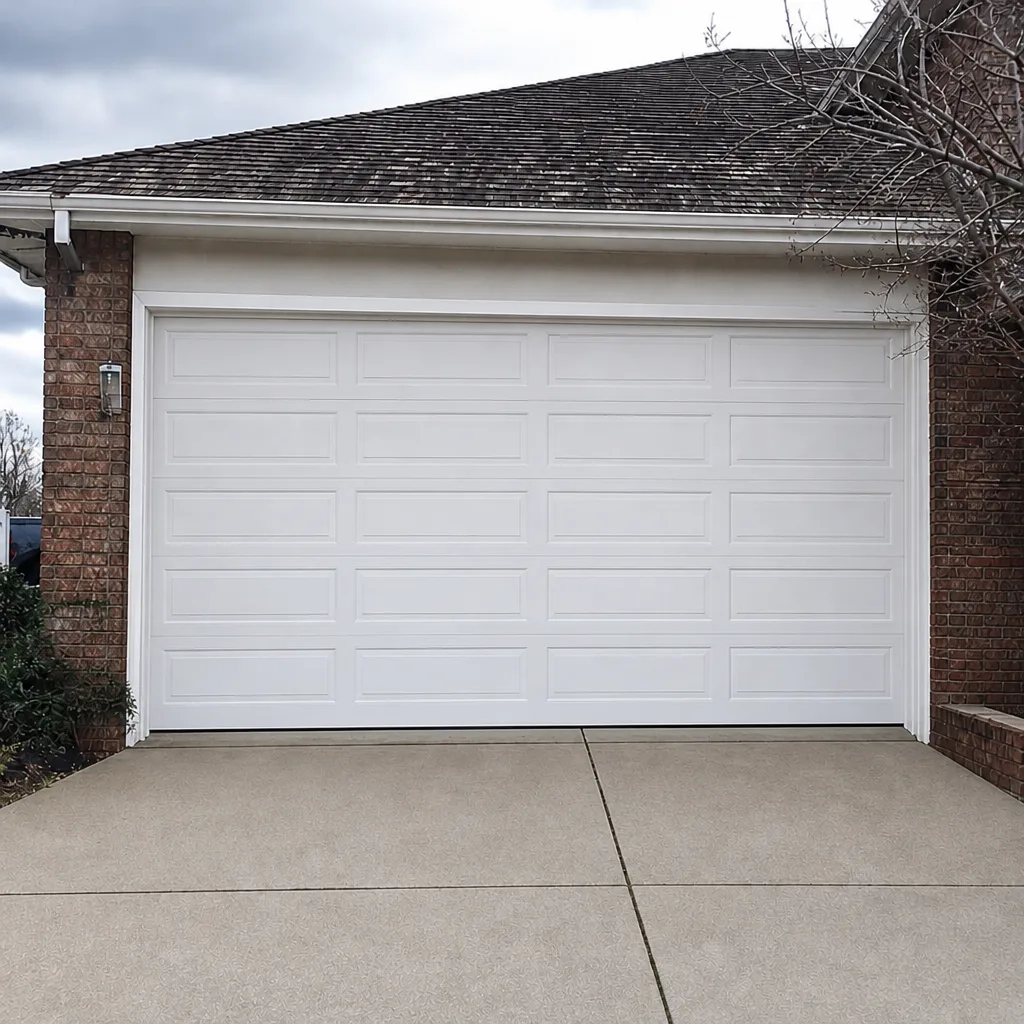 After
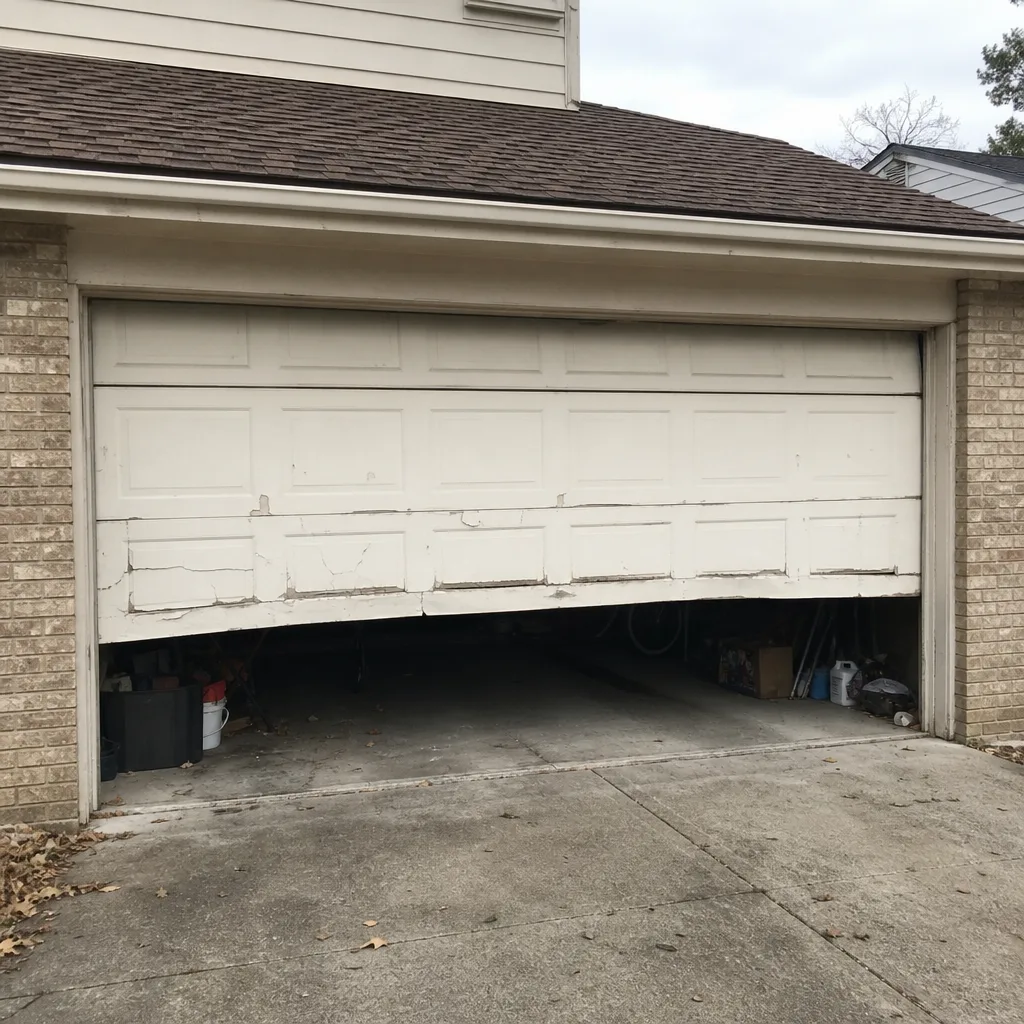 Before
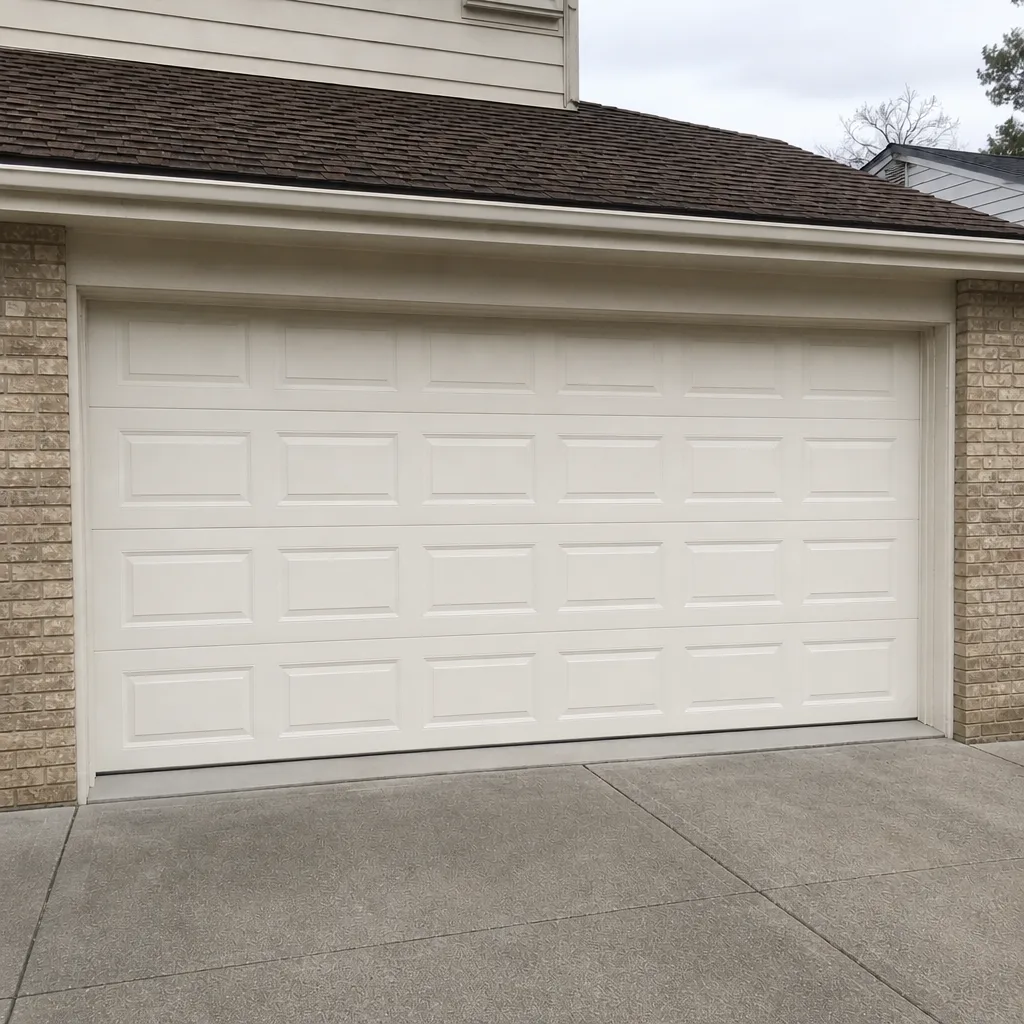 After
How Much Does Garage Door Maintenance and Repair Cost in Highlands Ranch?
Typical prices in the Highlands Ranch area run about $80 – $150 for a routine service or tune-up, $180 – $340 for a single torsion spring replacement (a matched pair is usually replaced together, so a pair runs about twice that), and $90 – $180 for a standard roller or hinge replacement. Opener repairs usually fall in the $120 – $260 range, and a full new opener install is a larger project. These are estimates, and the written quote sets the final price before any work starts. We quote and agree the price before we begin, so the invoice matches the estimate. Call (877) 331-7827 for an exact figure; estimates are free.
| Service | Typical Estimate |
|---|---|
| Routine service / tune-up | $80 – $150 |
| Single torsion spring replacement | $180 – $340 |
| Matched spring pair | About twice the single-spring range |
| Roller or hinge replacement | $90 – $180 |
| Opener repair | $120 – $260 |
Common Mistakes to Avoid
- Greasing the tracks. It feels like it helps, but grease attracts grit and turns into a paste that wears rollers. Clean the tracks and lube the moving parts instead.
- Using a general-purpose spray in winter. A lubricant that thins or gums below 20°F is worse than none in a Highlands Ranch cold snap. Use a product rated for cold temperatures.
- Tightening the springs yourself. Torsion springs are under extreme tension and are the most dangerous part of the door. This is a job for a trained technician, full stop.
- Ignoring the balance test. A door that won’t hold position is telling you the springs are failing. Waiting until it fails completely turns a spring job into a spring plus opener job.
- Skipping the fall service. The single biggest local mistake. A door that’s smooth in September can bind by January if it goes into the cold without fresh lubrication and a balance check.
- Not documenting the door. Without photos and a model number, a technician diagnoses blind. A folder of annual photos saves time and often money.
- Treating every brand the same. A LiftMaster opener and a Craftsman or Raynor door each have their own known wear points. Knowing the brand shortens diagnosis, which is why we’re trained on the major systems.
When to Call a Professional
Some maintenance is fine to handle yourself: cleaning tracks, lubricating hinges, replacing a bottom seal, and running the balance test. The line is anything involving the springs, the cables, the opener’s internal components, or a door that’s binding or off its tracks. If the balance test fails, if the door makes a loud bang and stops working, if the opener strains or reverses for no reason, or if the door is stuck open and your home is unsecured, it’s time to call. A stuck door is a security issue as much as an access problem, and a failed spring can cause serious injury if you try to force it.
Garage Door Repair Highlands Ranch offers free estimates in Highlands Ranch – call (877) 331-7827. We handle repair, opener repair, spring repair, and new installation in one place, so there’s no handoff to a second company, and our technicians have up to 8 years of experience with the brands in homes across the area. If you’re dealing with an opener specifically, our garage door opener repair service covers LiftMaster, Chamberlain, Genie, and the rest. For anything urgent, emergency garage door service is available when a failed door has trapped your car or left your home exposed.
Frequently Asked Questions
Twice a year is the baseline: a full service in fall before the first hard freeze, and another after the spring thaw. Highlands Ranch’s freeze-thaw cycles put more seasonal stress on the door than a mild climate would, so the fall and spring windows matter more here than the calendar suggests.
Often, yes. A door that won’t close or has trapped a car is exactly what our emergency service is for, and we prioritize those calls. Call (877) 331-7827 and we’ll tell you what’s available. Estimates are free.
No. We quote and agree the price before any work starts, so the invoice matches the quote. If we find something additional while we’re in there, we’ll tell you before we touch it, and you decide. Call (877) 331-7827 for a free estimate.
Spring failure after a cold snap, often on a door that skipped its fall lubrication and balance check. A dry, dragging door loads the springs harder, and the freeze-thaw cycle pushes already-stressed springs over the edge. The two-minute balance test catches it before it happens.
Yes. The local pro who performs the work is licensed and insured as Colorado requires. Our technicians have up to 8 years of experience, and we’re trained on LiftMaster, Chamberlain, Genie, Clopay, Amarr, Wayne Dalton, Craftsman, and Raynor. Call (877) 331-7827 to book a free estimate.
Cleaning, lubricating, seal replacement, and the balance test are all fine to do yourself. Springs, cables, and opener internals are not; those are dangerous and need a trained technician. If your balance test fails or the door bangs and stops, call (877) 331-7827 and we’ll diagnose and repair it.
The Bottom Line
A maintenance checklist for a Highlands Ranch garage door is really a failure calendar. The fall service before the first hard freeze is the most important window, the spring thaw inspection catches winter damage, and the two-minute balance test is the check that predicts spring and opener trouble better than anything else. Pair the schedule with the right cold-rated lubricant, keep the tracks clean and dry, and photograph the door each year so a technician can diagnose remotely. Do that, and you’re ahead of the seasonal stress that takes doors out here. For anything involving springs, cables, or the opener, don’t push your luck; call Garage Door Repair Highlands Ranch for a free estimate at (877) 331-7827.
Written by the team at Garage Door Repair Highlands Ranch.