Last updated November 22, 2026
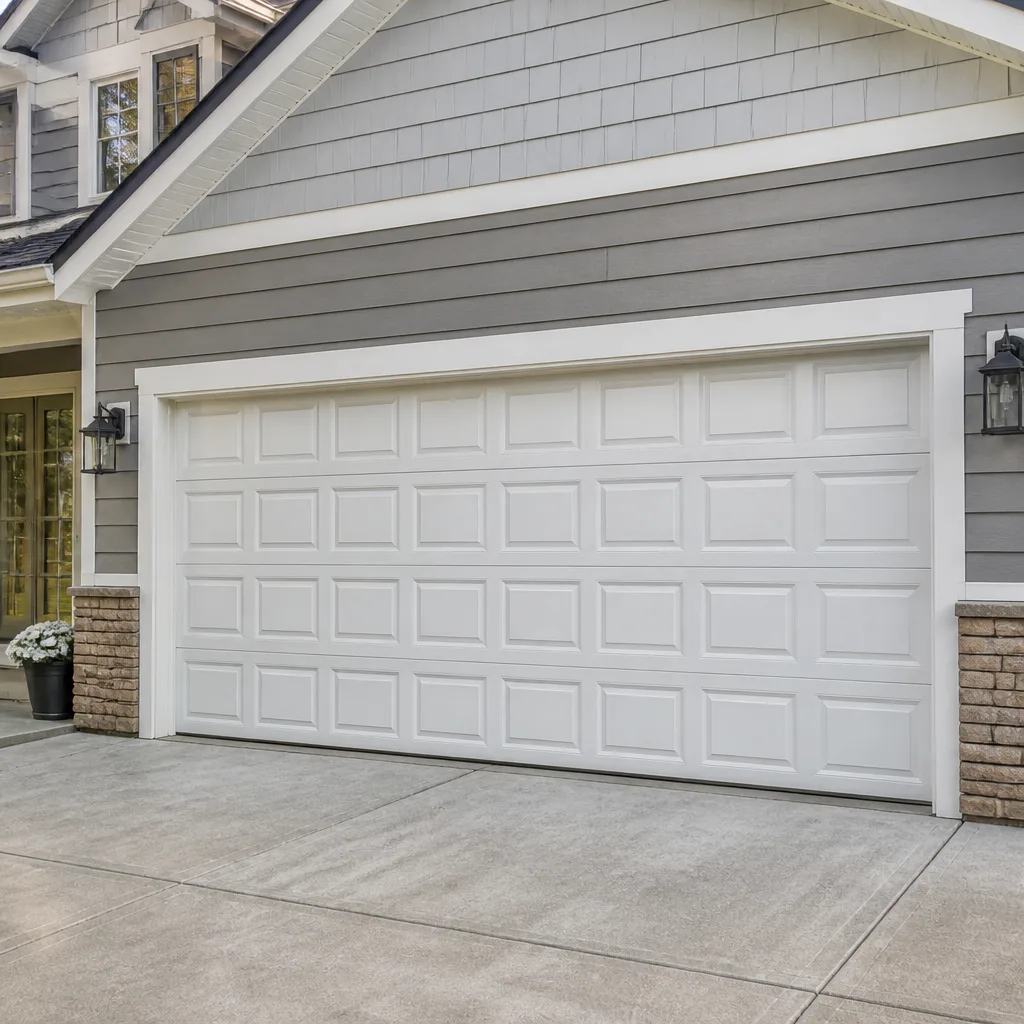 Raised-panel steel
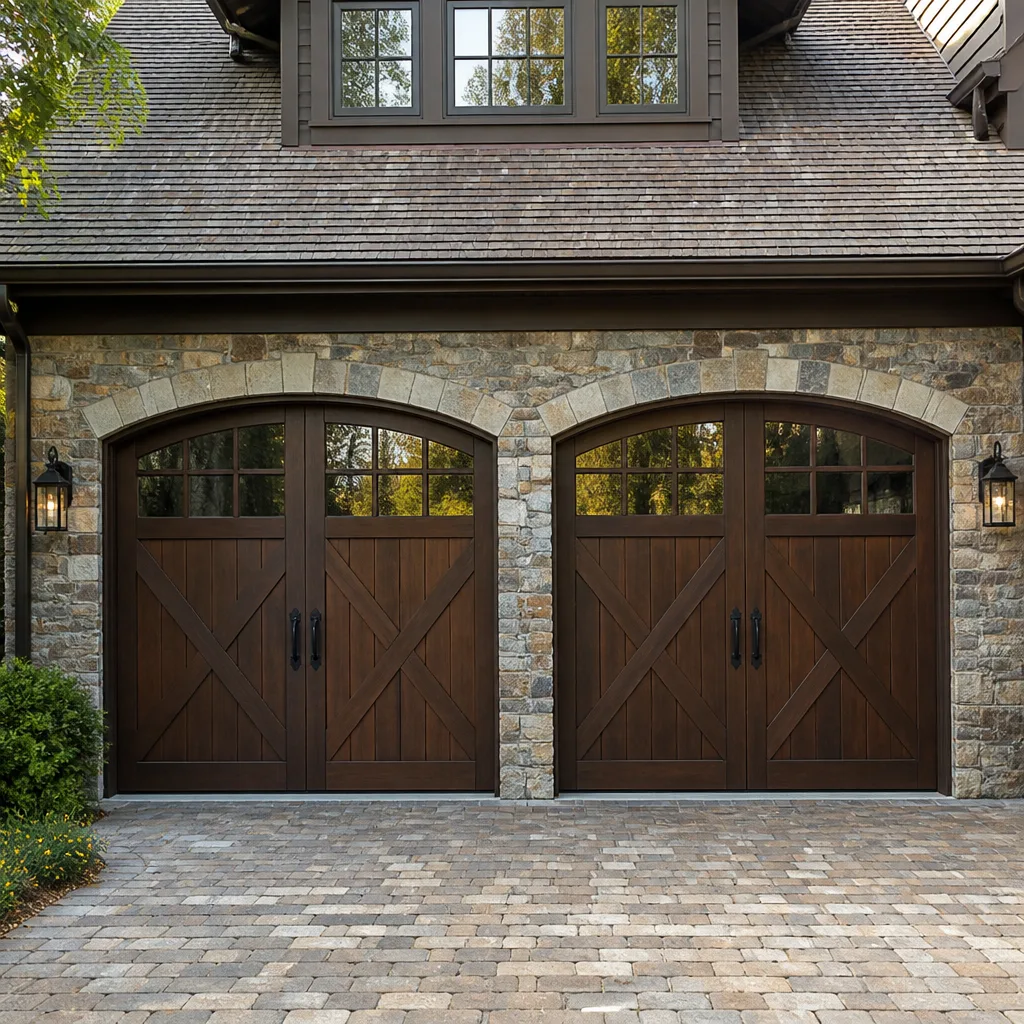 Carriage house
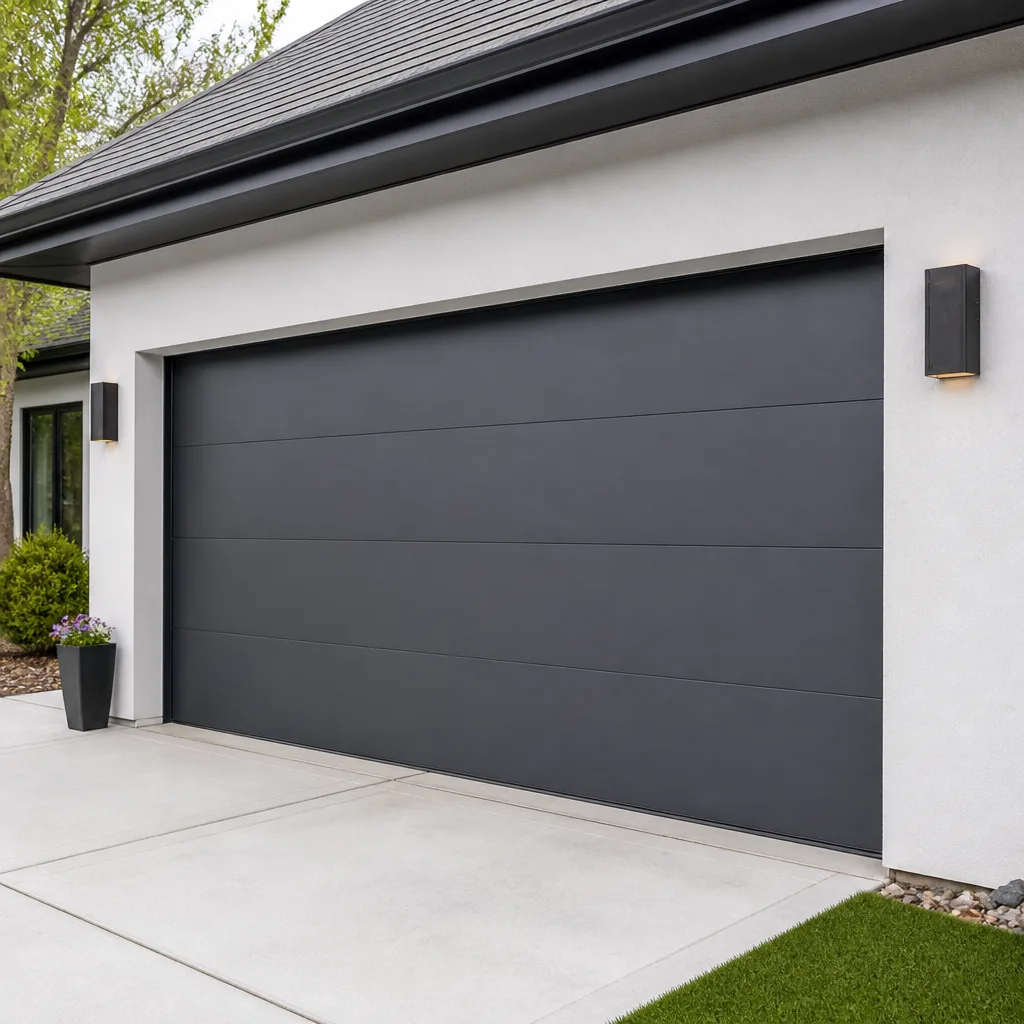 Modern flush
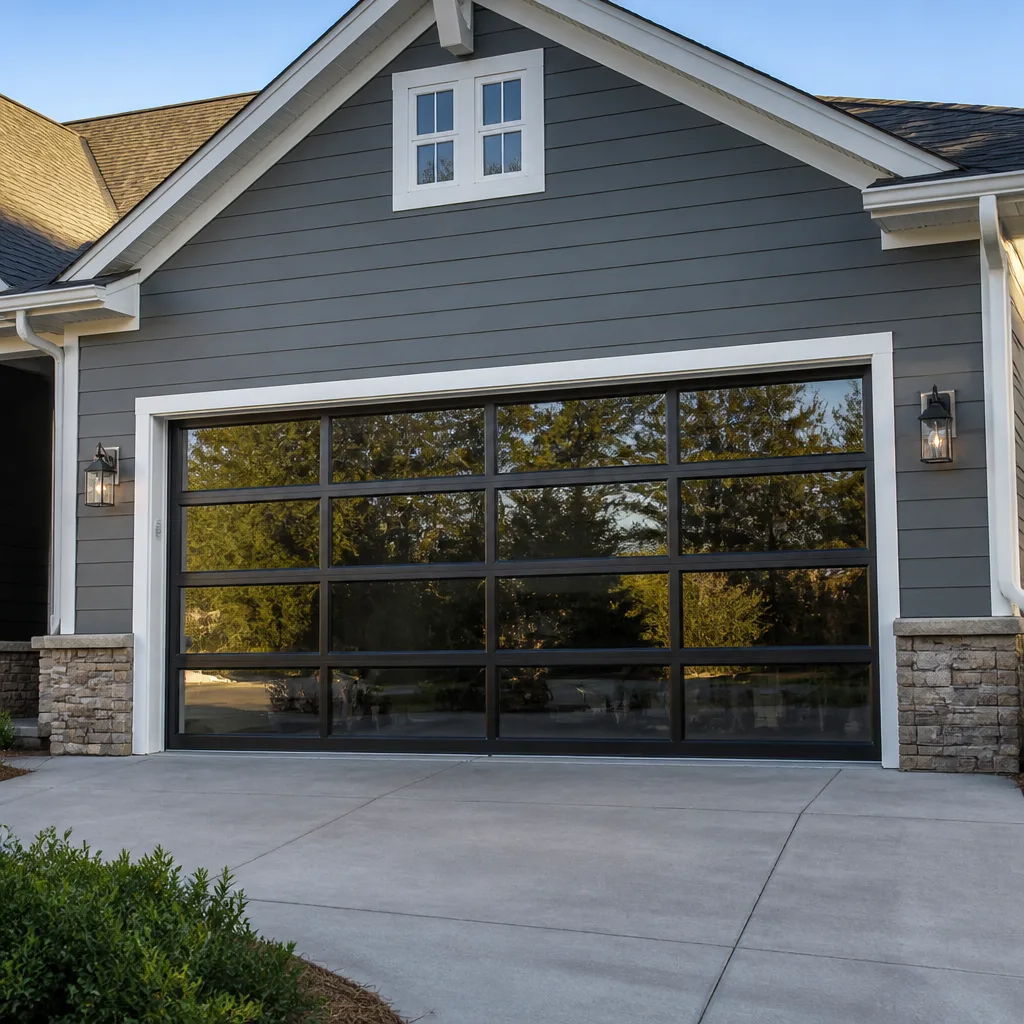 Full-view glass
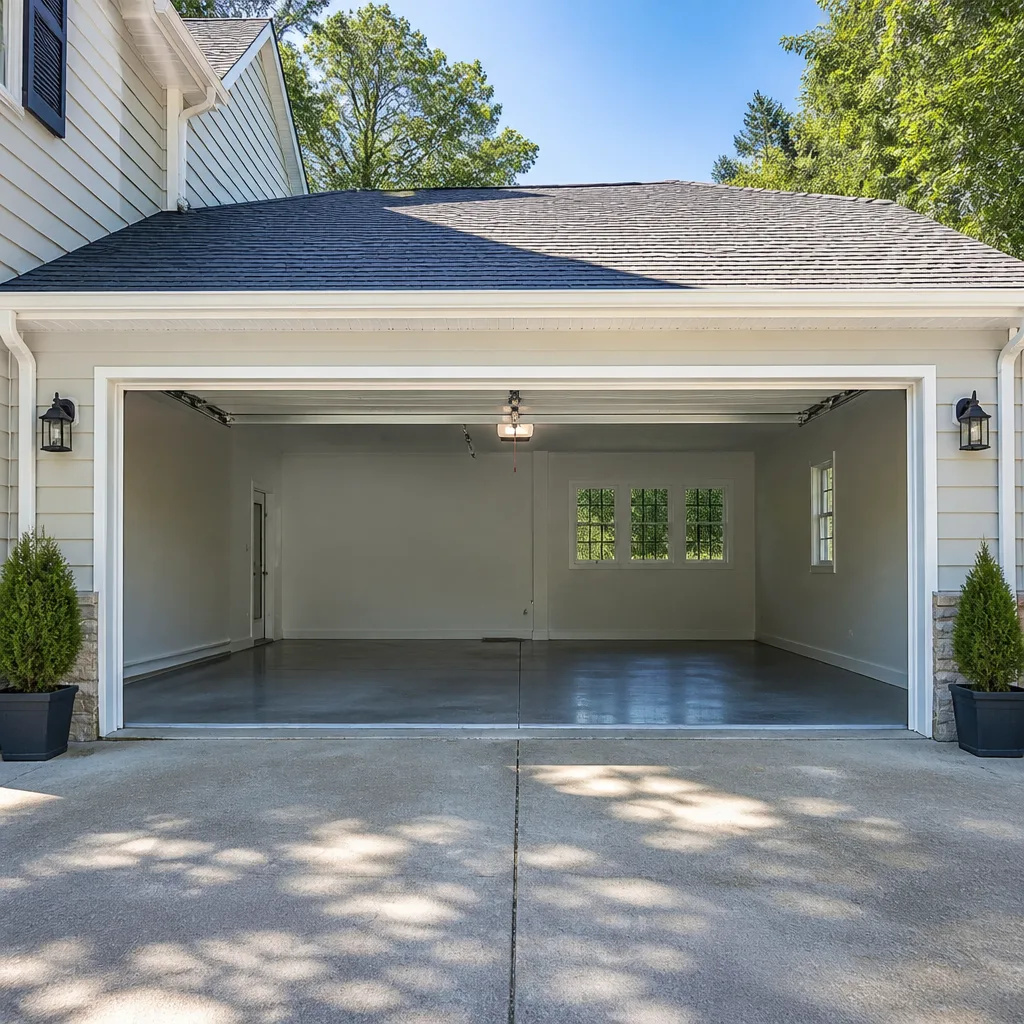 LiftMaster openers
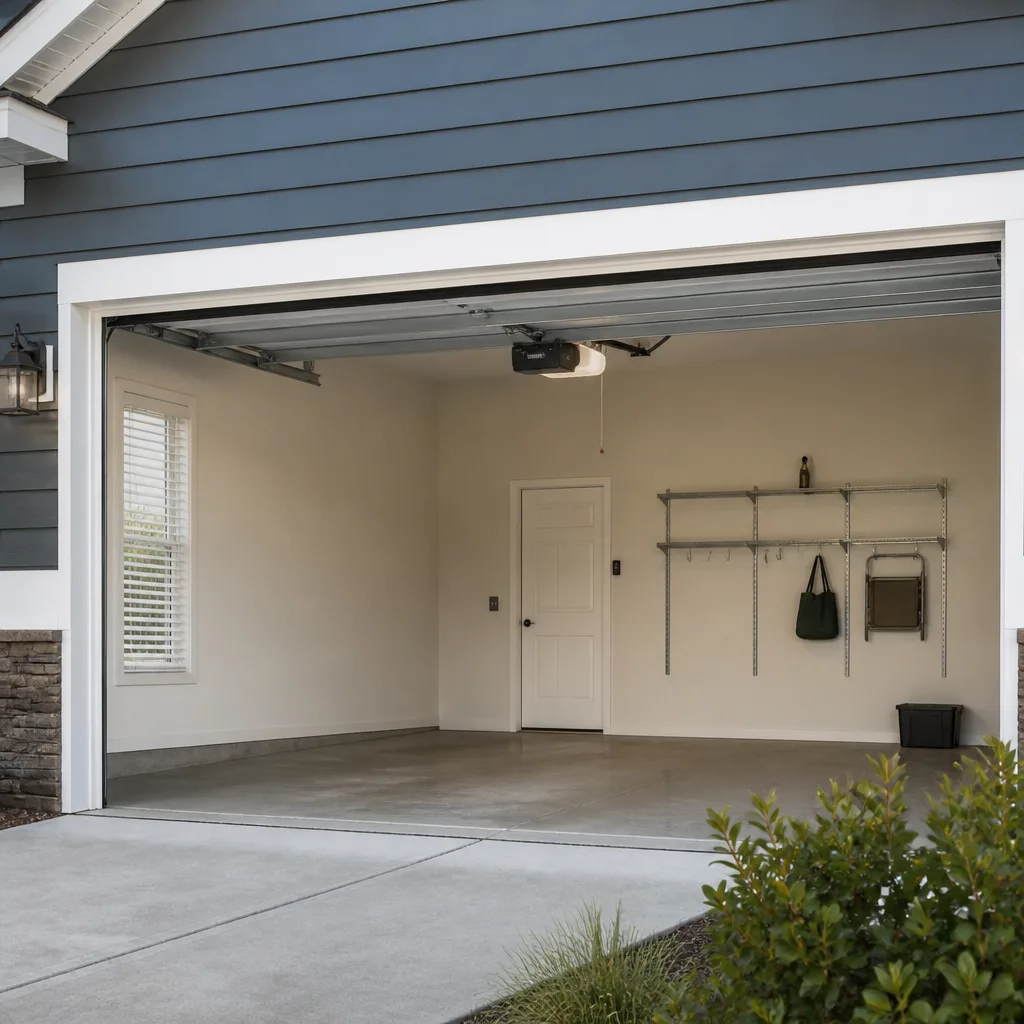 Chamberlain openers
Full 25-point door and opener safety check with every visit - springs, cables, rollers, tracks, and your LiftMaster or Chamberlain opener included
You get a price before we start. It does not change when the pro arrives.
Get your free estimateGarage Door Warning Signs: A Highlands Ranch Homeowner’s Reference Guide
That grinding noise your garage door makes on cold mornings isn’t just “the weather.” It’s your opener working harder than it should, and it’s counting down to a motor burnout. Most garage door failures don’t happen without warning. Homeowners just don’t know what the warnings look like, or they mistake a symptom for the cause. A popping sound and a grinding sound feel similar from inside the house, but they point to opposite ends of the system. This guide maps the specific sounds, movements, and behaviors you’ll notice to the components actually causing them, so you can describe the problem in plain language and catch the small stuff before it becomes a Saturday morning emergency. We’ll cover what you can see from the garage floor without touching anything, how to tell opener strain from door imbalance, and which warnings give you weeks versus hours.
Quick Answer
The most common garage door warning signs are grinding or popping noises, a door that closes slowly or unevenly, visible gaps or gaps in the spring coils, frayed cables, worn rollers, and an opener that strains or reverses unexpectedly. In Highlands Ranch, where doors cycle through wide temperature swings and heavy daily use, a slow-closing door or a single loud pop usually means a spring or cable is close to failing, and those two signs deserve same-day attention. Everything else on this list generally gives you a two-to-four-week window to schedule service before it escalates.
Styles & brands we work with
- Raised-panel steel
- Carriage house
- Modern flush
- Full-view glass
- LiftMaster openers
- Chamberlain openers
Table of Contents
- What Do the Sounds Tell You? A Symptom-to-Cause Index
- What Can You See From the Garage Floor? Visual Warning Signs
- Opener Strain vs. Door Imbalance: Two Problems, One Symptom
- The Slow Close Warning Most Homeowners Ignore
- Which Warnings Are Same-Day Emergencies?
- How Highlands Ranch Weather Accelerates Wear
- Why Brand Familiarity Matters When You Call
- A Simple Seasonal Check You Can Do Yourself
What Do the Sounds Tell You? A Symptom-to-Cause Index
Sound is the earliest warning a garage door gives you, and it’s also the most misread. Two doors can make noises that sound nearly identical from the kitchen and have completely different causes. Here’s how we map the sounds we hear most often to the parts responsible.
- Grinding, especially on cold mornings. Usually dry or worn rollers and hinges, or a torsion spring that’s lost tension and is forcing the opener to compensate. If the grinding fades as the door warms up, lubrication and roller wear are the likely culprits. If it’s constant, suspect the spring or the opener’s gear and sprocket.
- A single loud pop, then the door won’t lift. This is the classic torsion spring break, and it’s the most serious sound on this list. A torsion spring is under heavy tension, and when it snaps the door becomes very heavy and dangerous to operate. Stop using the door and call for garage door spring repair.
- Scraping or metal-on-metal. Often a cable that’s jumped its drum or a bent track section. The door may still move, but it’s dragging against something it shouldn’t, and running it makes the damage worse.
- Rattling over the whole cycle. Loose bolts, worn nylon rollers, or a door that’s drifted out of alignment. Usually not urgent, but it accelerates wear on everything else.
- Clicking that repeats. Frequently the opener’s travel limits or a safety sensor issue, not the door itself.
- Squealing on the way up or down. Metal rollers running dry. Easy to catch early, easy to ignore until the rollers flat-spot.
If you can describe the sound, when it happens, and whether it’s constant or only on the first cycle of the day, you’ve already done most of the diagnostic work. That’s the difference between a technician guessing and a technician arriving with the right part. It’s also why we ask about the brand of your opener and door when you call, since a Genie chain drive and a belt-driven LiftMaster tend to fail in different ways.
What Can You See From the Garage Floor? Visual Warning Signs
You can learn a lot about a garage door’s condition without touching a single moving part. Stand back, look up, and check these features. Never reach into the door’s mechanism or try to adjust a spring or cable yourself; those parts store enormous force, and a mistake can cause serious injury. Visual inspection only, from the floor.
- Look at the springs. A torsion spring runs horizontally above the door; extension springs run along the sides. On a healthy torsion spring, the coils sit evenly with a small gap between each one. If you see a visible gap in the coil or a broken end, the spring has failed.
- Check the cables. They should be taut, straight, and evenly wound on the drums at the top corners. Fraying, kinks, or a cable that’s come off the drum means the door should not be operated.
- Inspect the rollers. Nylon rollers should be smooth and round. Flat spots, cracks, or a roller sitting crooked in its bracket all point to wear.
- Look at the hinges and brackets. Loose bolts, bent hinges, or metal that’s pulled away from the door indicate stress that needs correcting.
- Watch the door’s track. It should be straight and plumb. Any dent, bow, or kink in the track will force the door to run crookedly.
- Check the weather seal along the floor. A torn or flattened bottom seal lets in drafts and water and often signals that the door is closing unevenly.
Anything you see here that looks wrong is worth a professional look, and honestly, most of it is worth a photo on your phone so you can describe it accurately when you call. Homeowners in Highlands Ranch often discover spring and cable problems by looking up rather than by hearing anything, because a failing torsion spring can fray quietly before it lets go.
Opener Strain vs. Door Imbalance: Two Problems, One Symptom
This is the diagnostic split that trips up most homeowners, and it matters because the fix is completely different. An opener that strains and a door that’s out of balance produce the same symptoms: the door moves slowly, sounds labored, and sometimes stalls before finishing the cycle. The question is which one is failing.
Here’s the rule of thumb. A balanced door should hold its position when you stop it halfway. If you disengage the opener (most have a manual release cord) and the door drops on its own or feels very heavy to lift by hand, the door is out of balance. The springs aren’t carrying the weight anymore, and the opener is doing work it was never designed to do. That’s a spring or cable problem, not an opener problem.
If the door is balanced but the opener still sounds like it’s straining, the problem is in the motor, the gear and sprocket, the drive belt or chain, or the opener’s travel settings. A worn opener gear will often grind before it strips completely. A failing capacitor can make a motor sluggish. And a drive belt that’s been run dry will whine and slip.
- Door imbalance signs: door won’t stay halfway, feels heavy by hand, spring looks broken, door sags to one side.
- Opener strain signs: motor sounds labored but door is balanced, opener hums without moving the door, opener reverses or stops mid-cycle, opener light flickers or dims.
Getting this distinction wrong is expensive. Homeowners sometimes replace an opener when the real problem is a tired spring, or pay for spring work when the opener is actually on its way out. If you’re not sure which side of the split you’re on, that’s exactly the call a specialist should take. Our technicians have up to 8 years of experience diagnosing both, and they’ll tell you plainly which one needs the work.
The Slow Close Warning Most Homeowners Ignore
If your door has gotten noticeably slower to close over the past few months, don’t dismiss it. A door that used to close briskly and now eases down like it’s dragging usually has a spring that’s losing tension, a cable that’s stretching or slipping, or rollers that are binding. The reason homeowners ignore it for months is simple: the door still opens and closes, so nothing feels broken yet.
What’s actually happening is that the door’s weight is gradually shifting onto the opener and onto weakened cables. The spring that once carried the door’s weight is doing less of that work every week. When the weakened cable finally lets go, the door drops suddenly and unevenly, sometimes landing hard on one side, sometimes leaving you with a door you can’t move safely at all. That’s the Saturday morning call.
Treat slow closing as a several-week warning, not a today-emergency. You’ve got time to book a proper diagnosis, but you shouldn’t wait until it fails. Watch for these along with the slow close:
- The door pauses partway through the cycle, then finishes.
- The door comes down on one side faster than the other.
- You can see slack or a slight kink in a cable.
- The opener’s response to the remote feels delayed.
A quick, honest look at these signs now can spare you an emergency later. If you’ve noticed slow close, a slight sag, or a straining motor, that’s a good reason to get a professional diagnosis on the calendar. A small repair now costs a fraction of a full rescue on a cold Colorado morning.
Which Warnings Are Same-Day Emergencies?
Not every warning sign needs a same-day call. Some do, and knowing the difference keeps you from panicking over a slow roller and keeps you from sitting on a genuine emergency. Here’s the split.
Same-day emergency (stop using the door, call now):
- A loud pop followed by a door that won’t lift: torsion spring failure.
- The door is crooked, sagging on one side, or stuck partway up.
- A broken or dangling cable.
- The door won’t close and won’t stay closed: your home is unsecured.
- The door is jammed and your car is trapped inside.
- The opener is smoking, buzzing, or smelling of burning.
Two-to-four-week window (schedule, don’t panic):
- Grinding, squealing, or rattling that comes and goes.
- Slow closing with no visible spring or cable damage.
- A worn weather seal or a small gap at the floor.
- Loose hinges or a minor misalignment.
- An opener that’s sluggish but still completes the cycle.
Emergency garage door service exists for the first group, and it matters because a broken door can mean a trapped vehicle, an unsecured home, or a business that can’t open. If you’re in the first group, don’t wait for a convenient slot. For the second group, you’ve got breathing room, so use it. For a fuller look at the repair side, see our garage door repair page.
How Highlands Ranch Weather Accelerates Wear
Highlands Ranch sits at elevation along the Front Range, and that location does specific things to garage doors. The biggest factor is the temperature swing. A door can go from a warm afternoon to a below-freezing night, and every one of those cycles expands and contracts metal. Springs, in particular, are under tension all the time; repeated heating and cooling works the steel and shortens its life faster than in a milder climate. Cable, track, and hinge wear follow the same pattern.
The other factor is snow and road treatment. When doors get wet from melting snow on a car, and cold nights freeze that moisture onto the tracks, the seals, and the bottom weatherstrip, the door fights heavier loads and robs rollers of lubrication faster than a dry climate would. A door that ran smooth in June can sound rough by January.
Wind and dry air also matter. Dry stretches pull moisture out of hinge points and pivot bushings, and a door’s moving parts start complaining. Cold-weather lubricants are formulated differently from warm-weather ones, which is why a door that was quiet in fall can turn noisy in a single week of hard frost.
What that means for you: in Highlands Ranch, a noisy door in the first real cold snap isn’t necessarily “the weather.” It’s often a door that was already worn, and the cold just pushed it over the edge. We see that pattern plainest in neighborhoods across Highlands Ranch where the homes were built around the same time and the doors are aging together. If your door sounds worse this winter than last, it’s a real signal worth acting on, not background noise.
Why Brand Familiarity Matters When You Call
Garage doors and openers aren’t interchangeable, and the warning signs you’re seeing often point to a specific, brand-level part. An opener’s drive system, its travel limit adjustment, and its safety sensors all differ by brand. When the technician on the phone knows the hardware before they arrive, the diagnosis is faster and the right part is more likely on hand.
We’re trained on and repair eight of the major brands: LiftMaster, Chamberlain, Genie, Clopay, Amarr, Wayne Dalton, Craftsman, and Raynor. That matters when you’re describing a symptom, because a Genie opener and a LiftMaster opener can produce the same labored sound for different internal reasons. A Clopay door and a Wayne Dalton door have different hinge and roller configurations, which changes where wear shows up first.
For door-specific problems, our garage door repair service covers panels, tracks, rollers, and hardware. When the warning signs point to the motor, the garage door opener repair side takes over, and the same team handles it, so there’s no handoff to a second company. And if you’re weighing whether to repair or replace, having that same specialist walk you through both is a cleaner conversation than the one you’d get from a generalist who also does plumbing and HVAC.
A Simple Seasonal Check You Can Do Yourself
This isn’t a repair routine; it’s a look-and-listen check you can do safely a few times a year. It takes ten minutes and catches most of the warning signs on this page before they turn into emergencies. Never touch the springs or cables, and never attempt to adjust a track or spring yourself.
- Run the door once from fully closed to fully open and listen. Note any grinding, popping, scraping, or rattling.
- Run it back down and watch for uneven movement, a pause partway, or a door that comes down crooked.
- From the floor, look up at the springs. Coils should be even, with no visible gap or break.
- Look at the cables at both top corners. Taut, straight, no fraying.
- Check the rollers for flat spots or cracks.
- Test the safety reverse. With the door closing, put an object in its path; the door should reverse when it meets the object.
- Listen to the opener. A smooth hum is healthy; a grinding motor or a belt that whines is a signal.
Do this check before the first cold snap and again in spring, and you’ll spot most developing issues early. If something on the list looks off, that’s the moment to call, not months later. We offer free estimates in Highlands Ranch, so there’s no downside to getting a professional opinion before a small problem becomes a big one.
Common Mistakes to Avoid
- Ignoring a single loud pop. That pop is often a torsion spring breaking. Many homeowners hear it, assume the door is fine because it still moves, and keep using it. Stop using the door and have it checked.
- Greasing the tracks. Tracks should stay clean and dry. Oil attracts grit, and grit wears rollers faster. A noisy door often needs roller or hinge lubrication, not track grease.
- Replacing the opener when the spring is the problem. A strained opener on a heavy door is usually a symptom, not the cause. Diagnose the door’s balance first.
- Forcing a crooked door. If the door runs crookedly or comes down on one side, pushing the opener again and again makes the damage and the safety risk worse.
- Adjusting a spring or cable yourself. These parts are under heavy tension, and the wrong move can cause serious injury. Leave spring and cable work to a trained professional.
- Ignoring slow close for months. The door still opens, so it feels fine, but the slow close is one of the clearest warnings of an impending cable or spring failure.
- Assuming a general handyman can handle it. Garage doors are a specialty system, and a tech who mostly does other trades can miss the early signs that a specialist would catch in one look.
See the difference
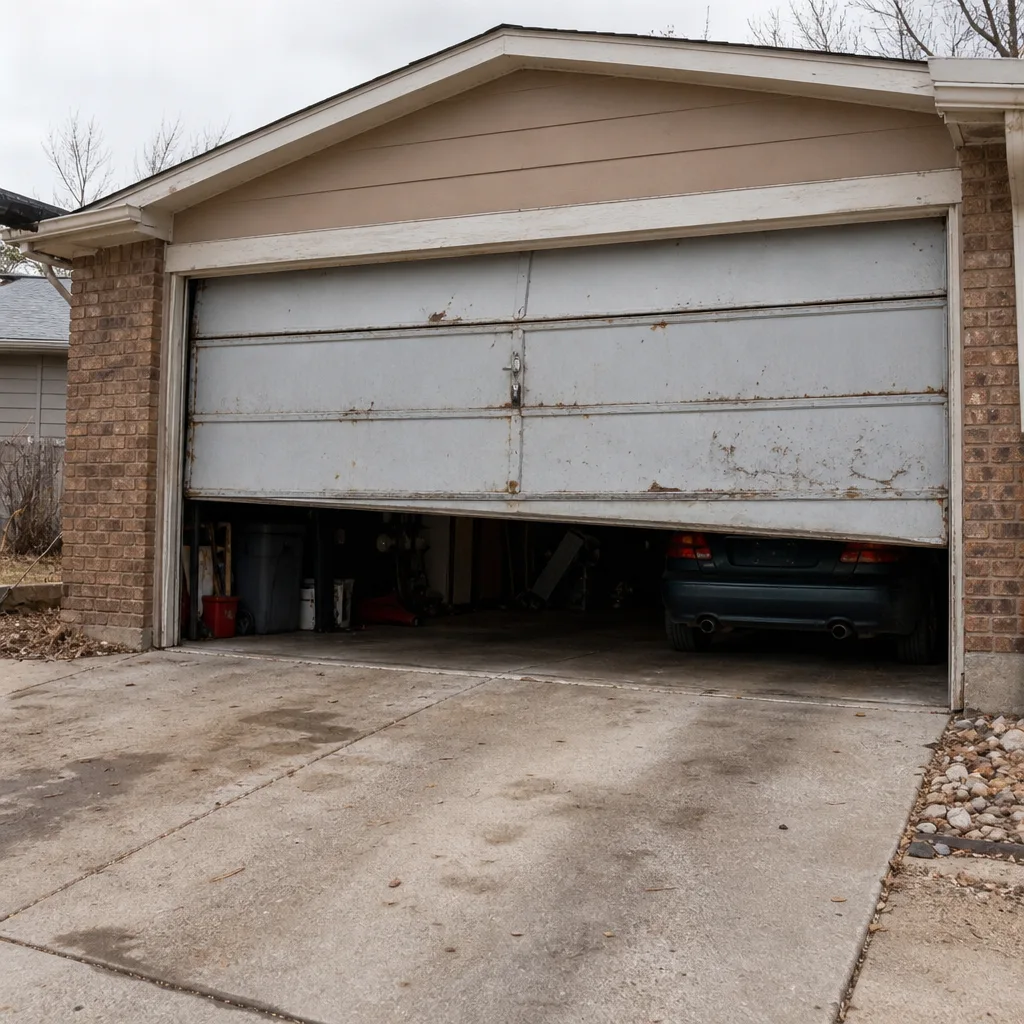 Before
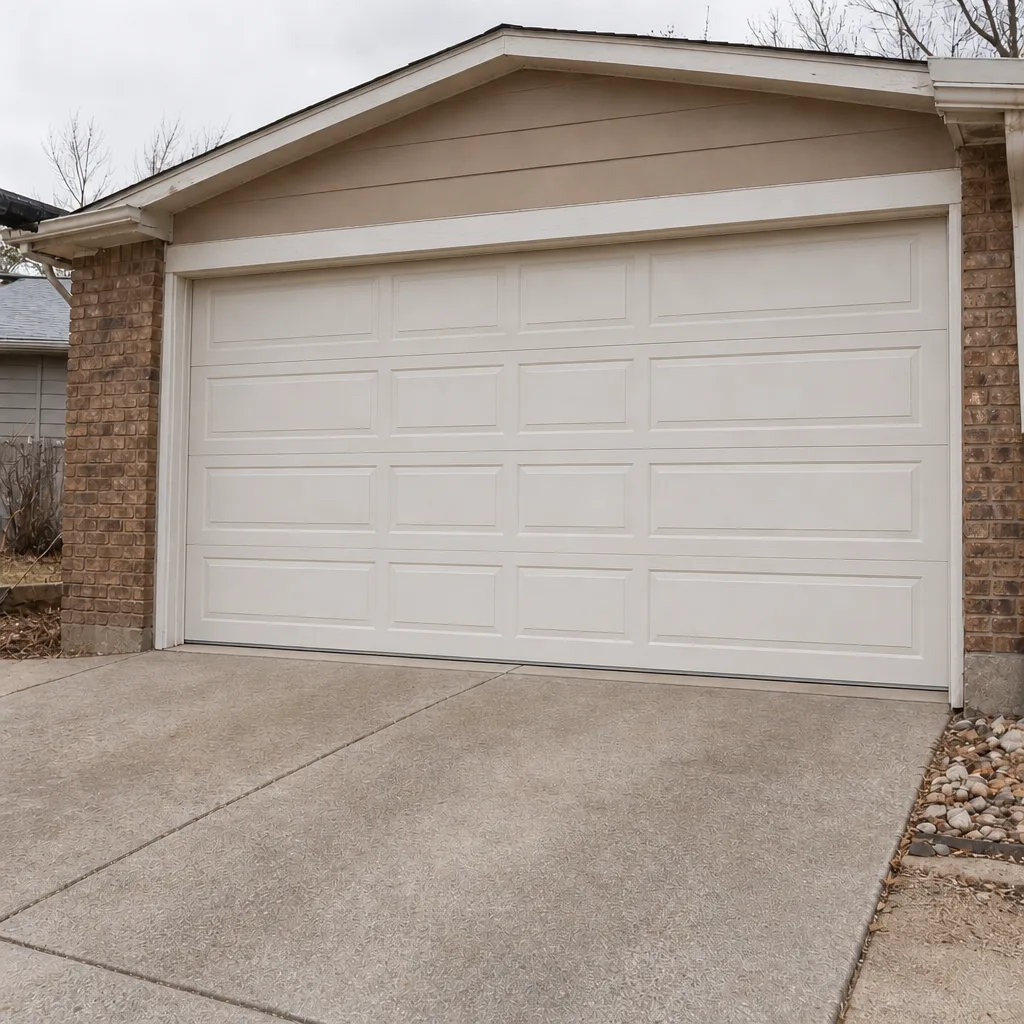 After
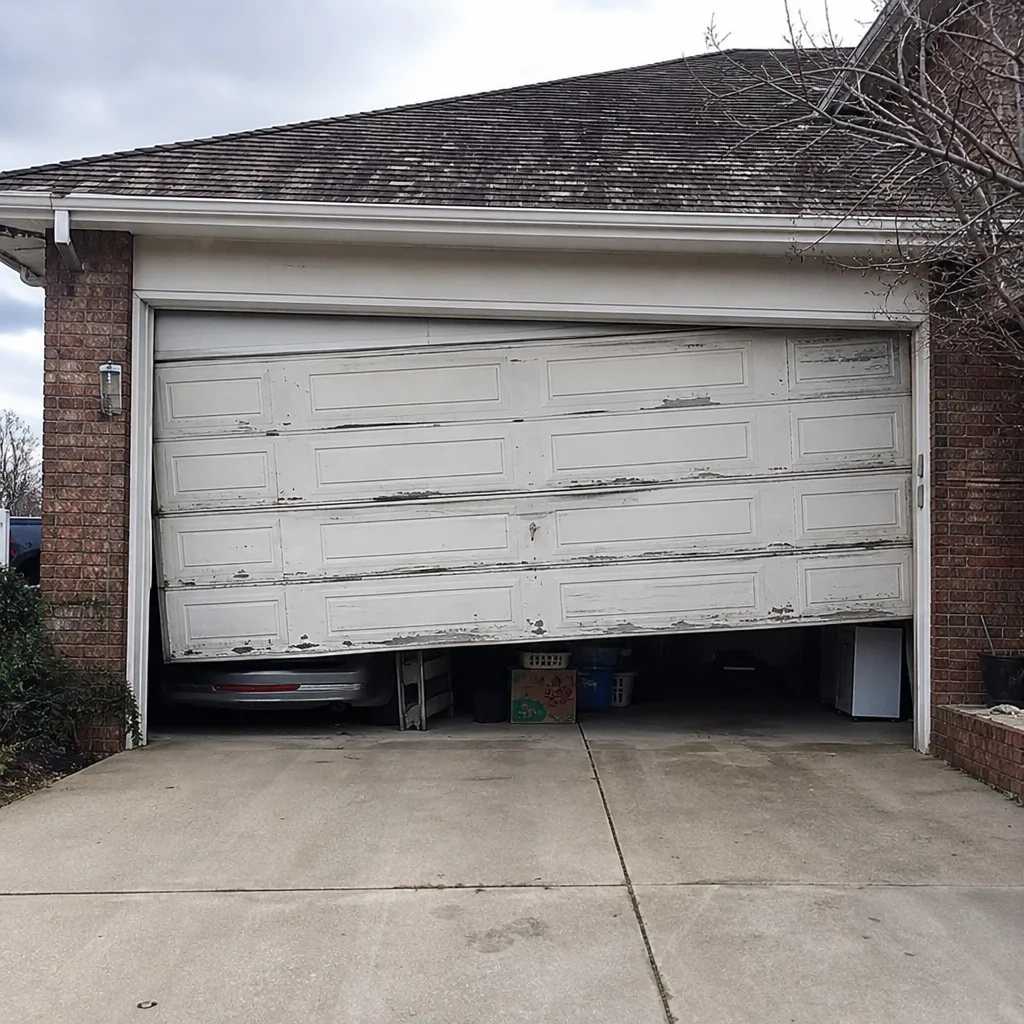 Before
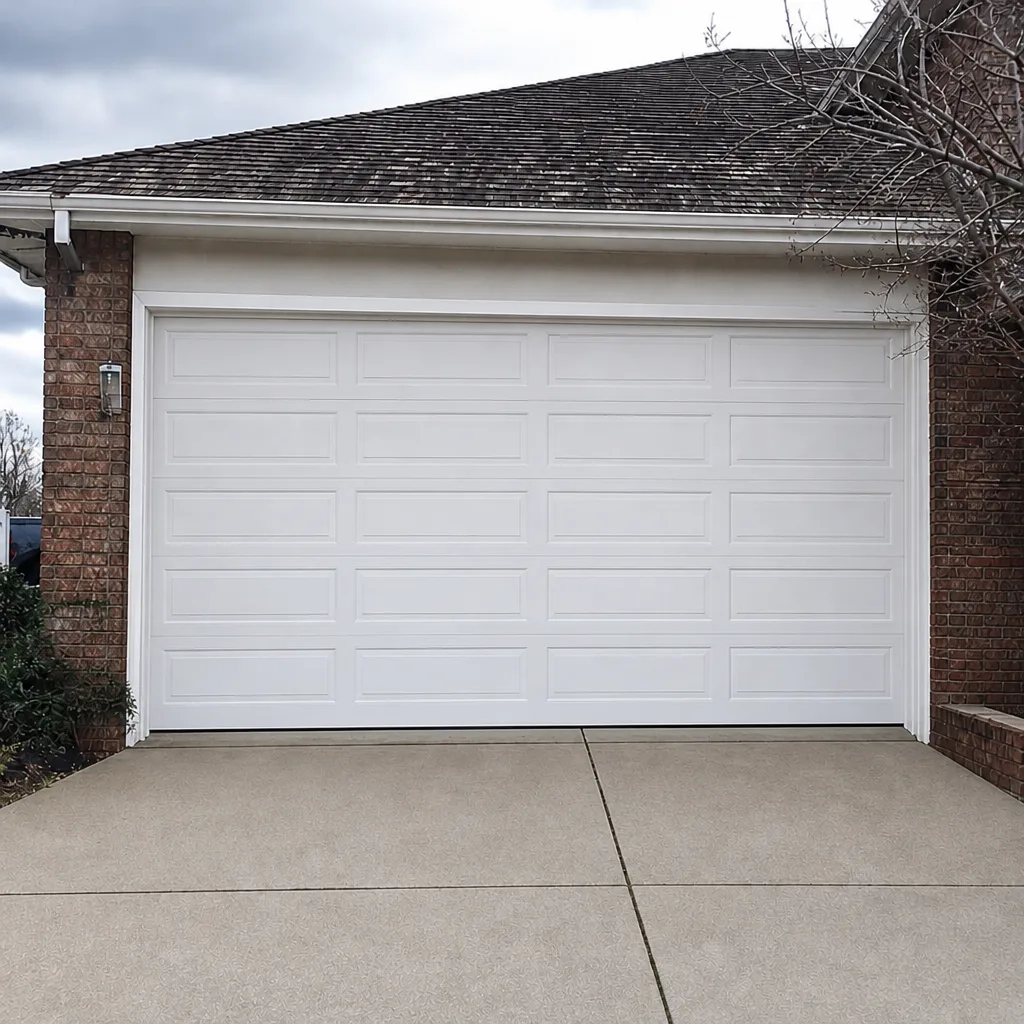 After
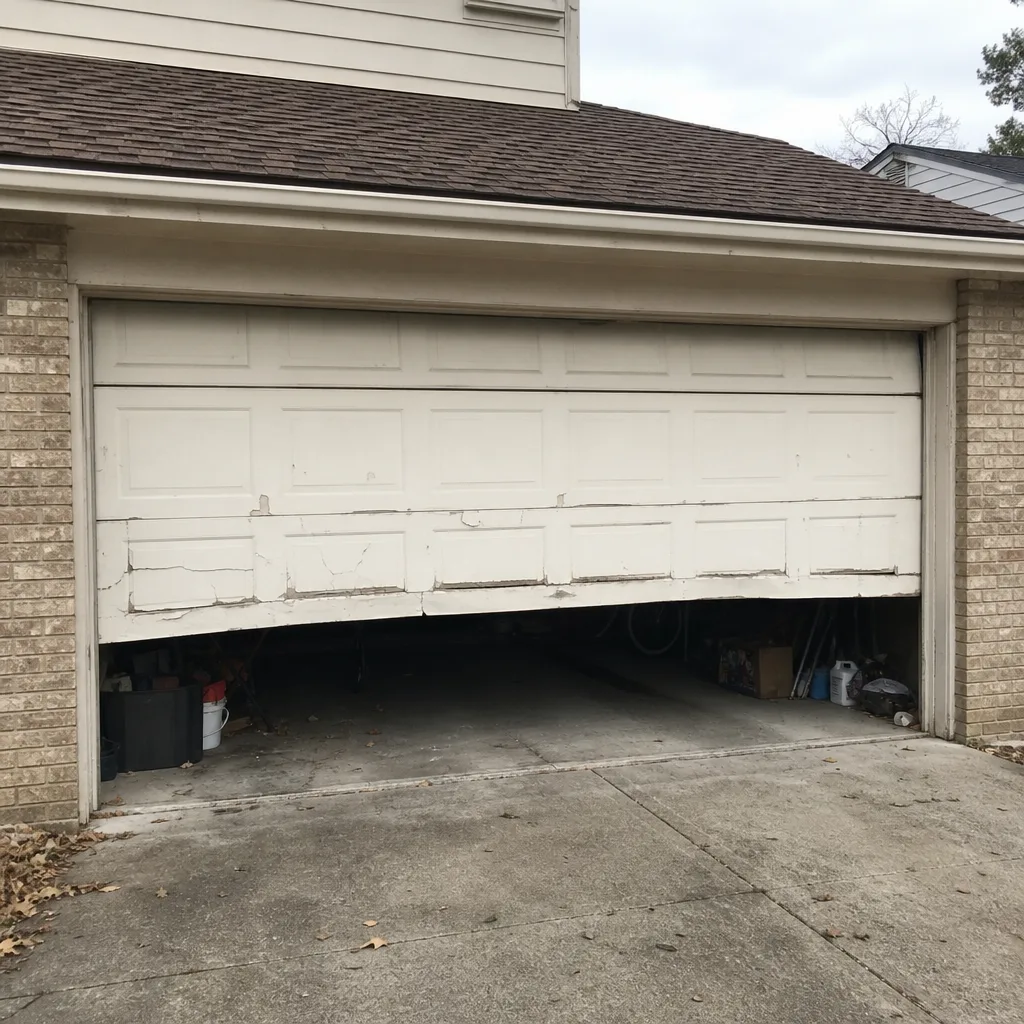 Before
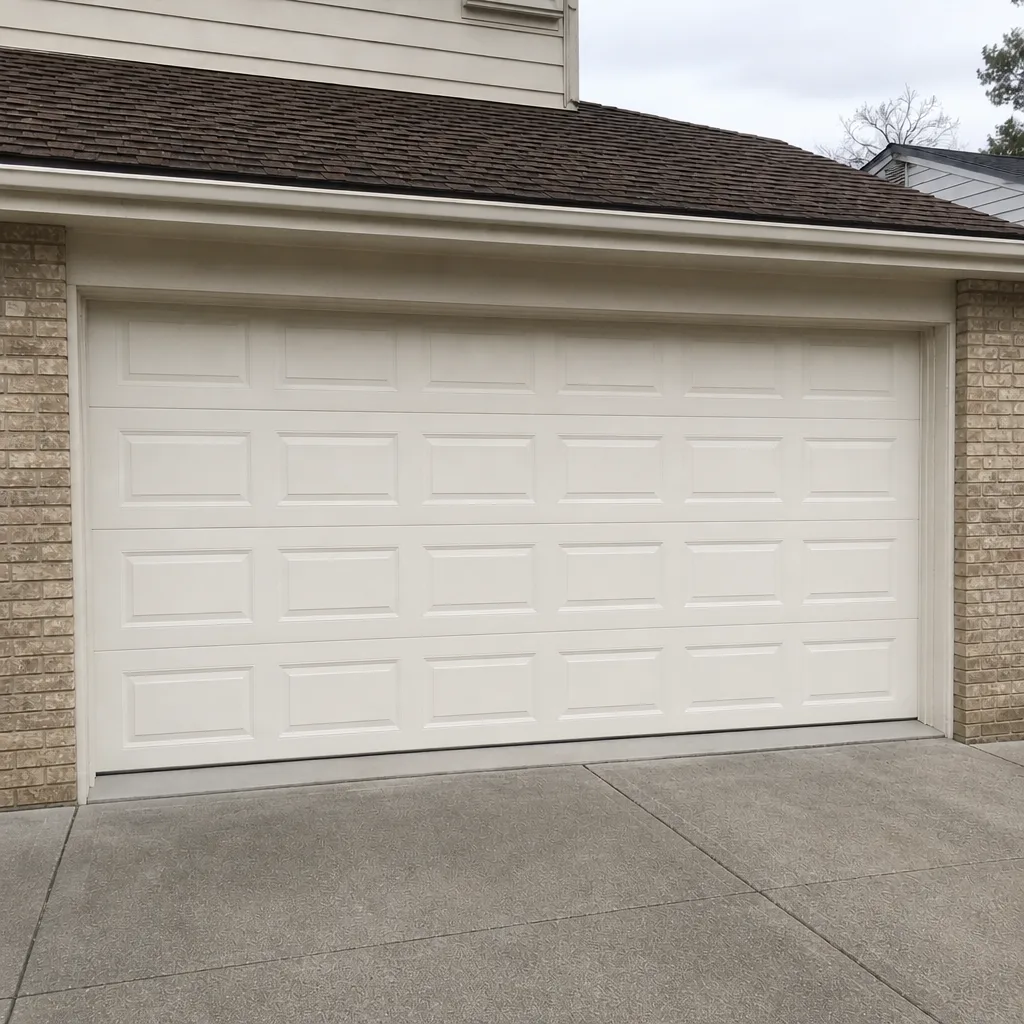 After
When to Call a Professional
Call a professional when you hear a pop, see a broken or bent spring, notice a frayed or dangling cable, or find the door crooked, stuck, or unable to close. Call if the door won’t open and your car is trapped, or if the door won’t close and your home is unsecured. Call if the opener smokes, buzzes, or smells of burning. And call for the quieter signals too: a door that’s gotten slowly harder to open, a motor that strains, or a grinding sound that used to be occasional. We can diagnose any of these and explain what’s happening in plain terms. We specialize in garage door opener repair and garage door spring repair, and we handle the whole system, so a problem that starts at the door and ends at the motor stays with one team. Garage Door Repair Highlands Ranch offers free estimates in Highlands Ranch – call (877) 331-7827, and we’ll book you in before the next cold snap.
Frequently Asked Questions
Slow, uneven closing or a grinding sound on cold mornings is usually the earliest sign. Both point to a spring losing tension or worn rollers putting extra load on the opener, and both give you a two-to-four-week window to schedule service. A single loud pop is the exception: that’s often a broken spring and deserves a same-day call.
Not always. Grinding that comes and goes, especially in cold weather, is often dry rollers or hinges and can be fixed with lubrication or replacement. Grinding that’s constant, or continues once the door warms up, usually points to a worn opener gear or a spring that’s lost tension and should be diagnosed by a professional.
Disengage the opener with its manual release and try to lift the door by hand. If it feels very heavy or won’t stay halfway, the door is out of balance and the springs or cables are the problem. If it’s balanced but the opener still strains, the issue is in the motor, drive belt, or gear. Our technicians have up to 8 years of experience telling the two apart, and we’ll tell you which it is before any work starts.
You can safely check the visible parts, but the fix is usually a professional job. Slow close is often a spring losing tension or a cable stretching, and both require trained hands. Leave springs and cables to a technician and get a free estimate first so you know what you’re dealing with.
We’re trained on eight major brands: LiftMaster, Chamberlain, Genie, Clopay, Amarr, Wayne Dalton, Craftsman, and Raynor. That means technicians arrive familiar with the specific hardware, which shortens diagnosis and reduces the chance of a second visit for a part.
Yes, we offer emergency garage door service for failures that trap a vehicle, leave your home unsecured, or block a business from opening. If you’re in that situation, call (877) 331-7827 and let us know what happened so we can sort out the priority.
The Bottom Line
Garage doors rarely fail without warning. The warning is almost always a sound, a movement, or a visible condition, and the trick is knowing which one points to which component. Slow close and grinding usually give you two to four weeks to schedule service. A single loud pop, a crooked door, a frayed cable, or a door that won’t secure your home is a same-day call. In Highlands Ranch, the temperature swings accelerate all of it, so checking your door before the first hard frost catches most problems early. If you’ve spotted any sign on this page, get a free estimate at (877) 331-7827, and we’ll diagnose it before it turns into an emergency.
Written by the team at Garage Door Repair Highlands Ranch.