Last updated November 22, 2026
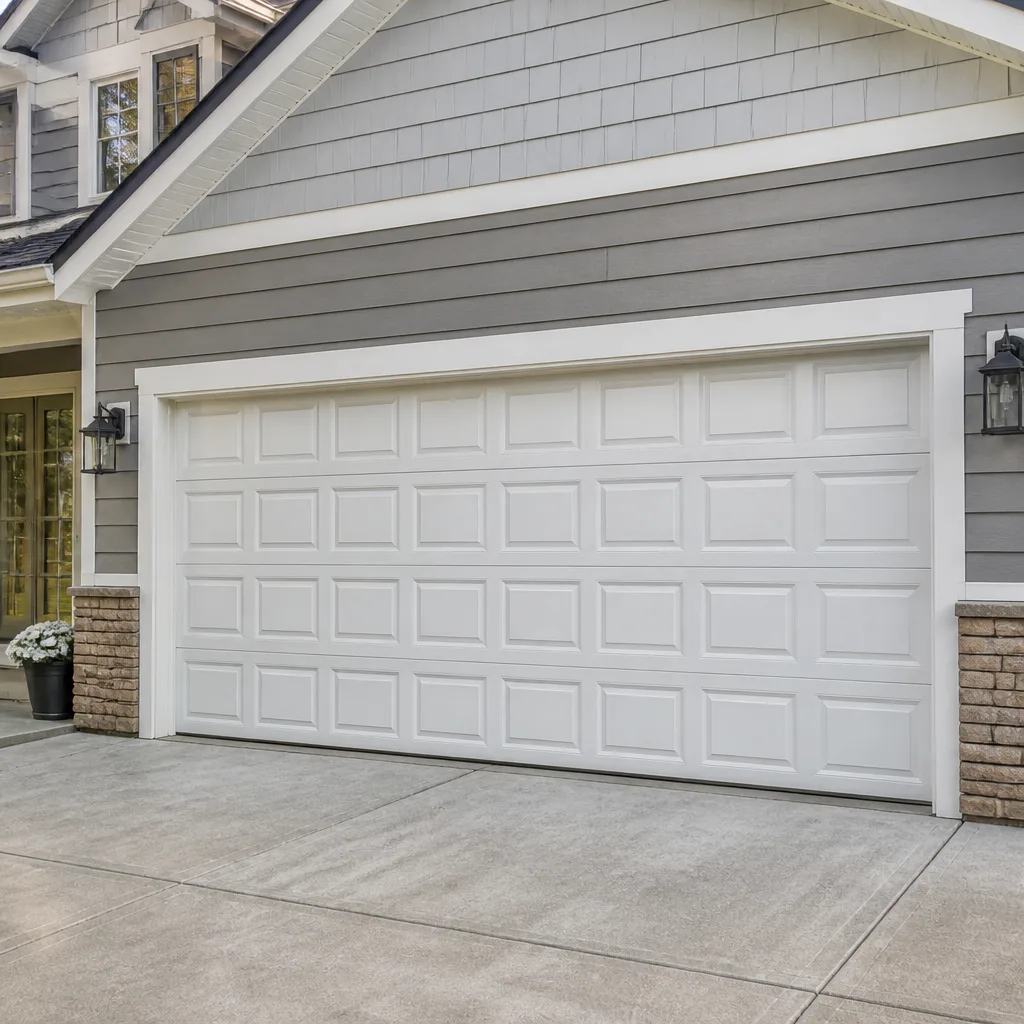 Raised-panel steel
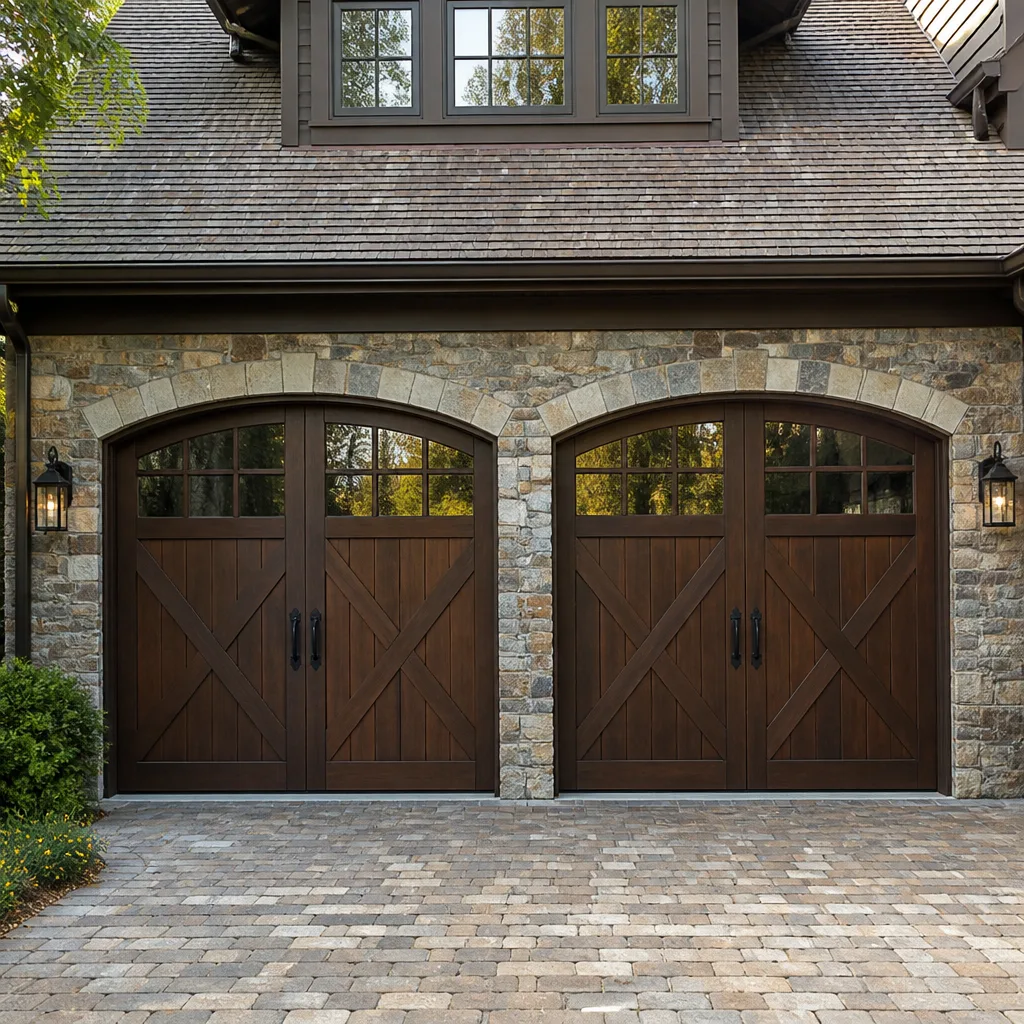 Carriage house
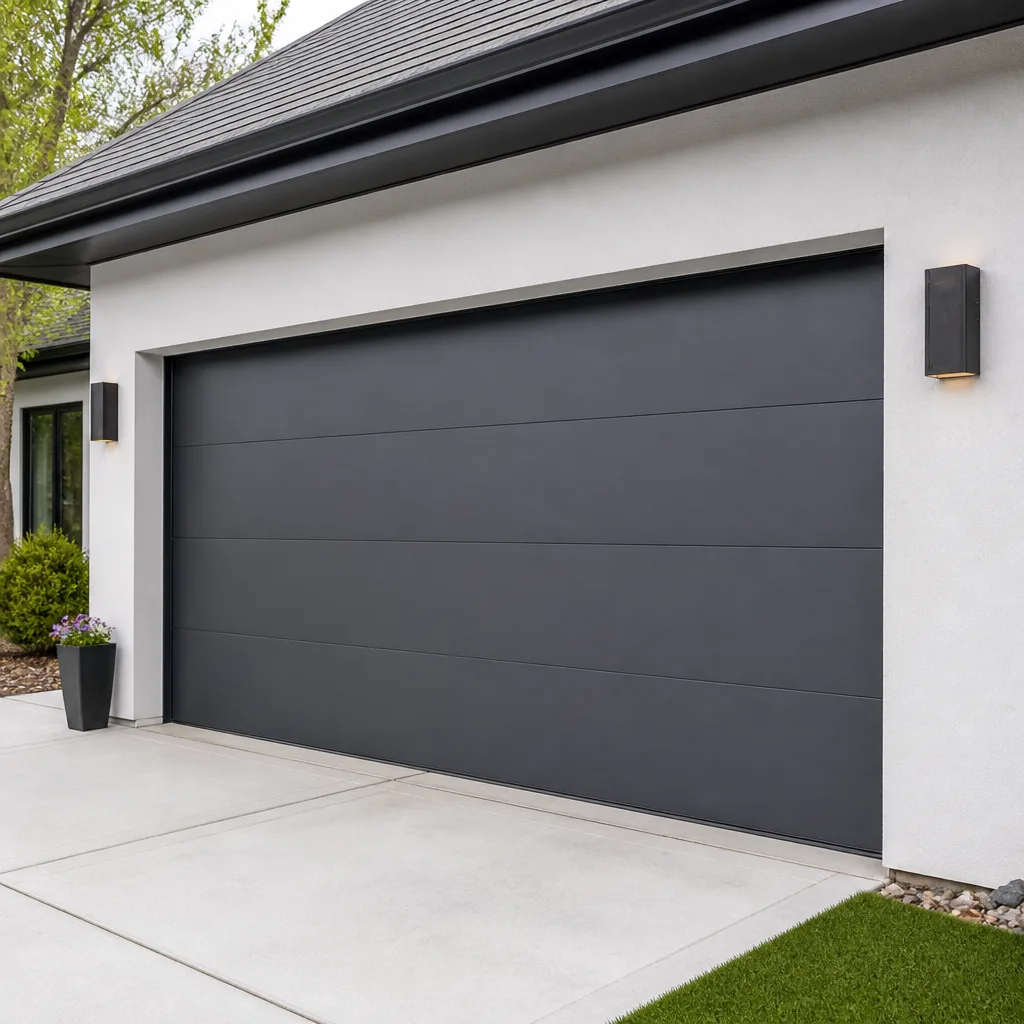 Modern flush
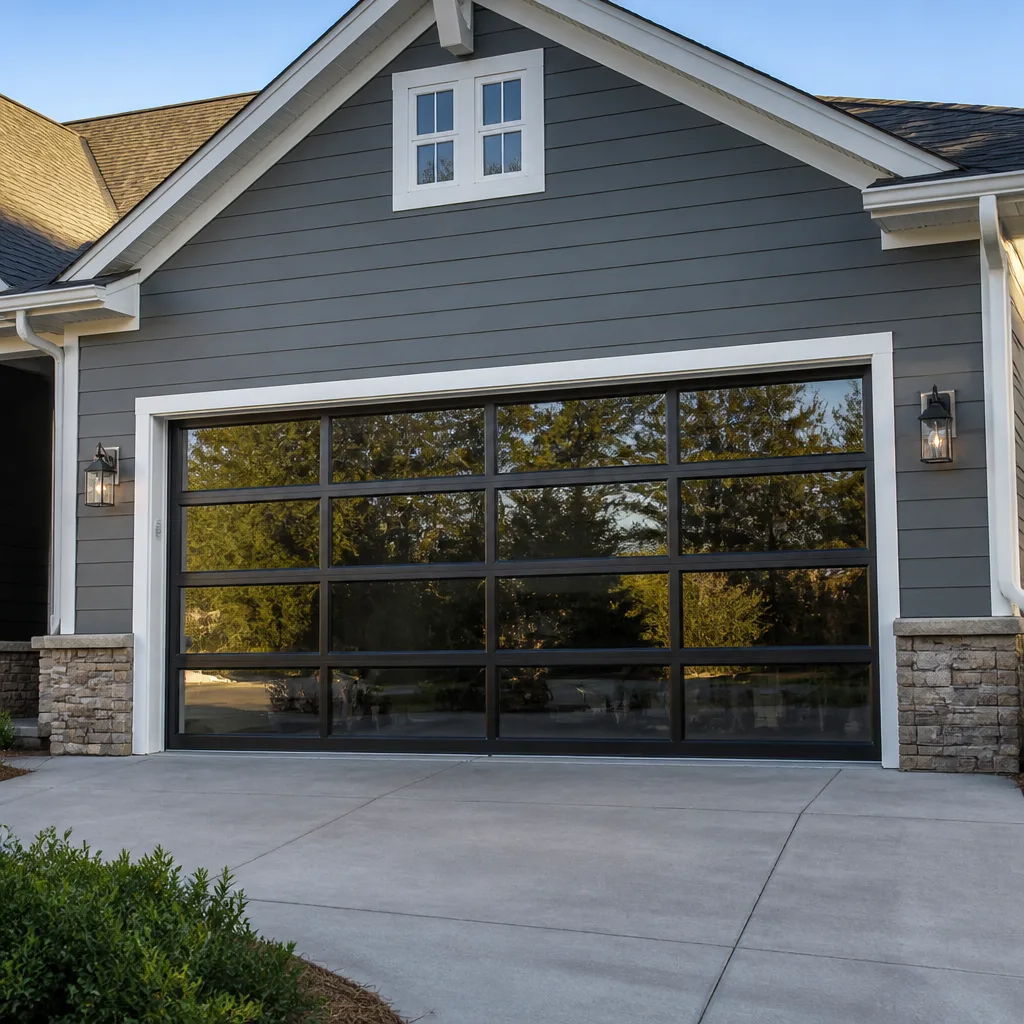 Full-view glass
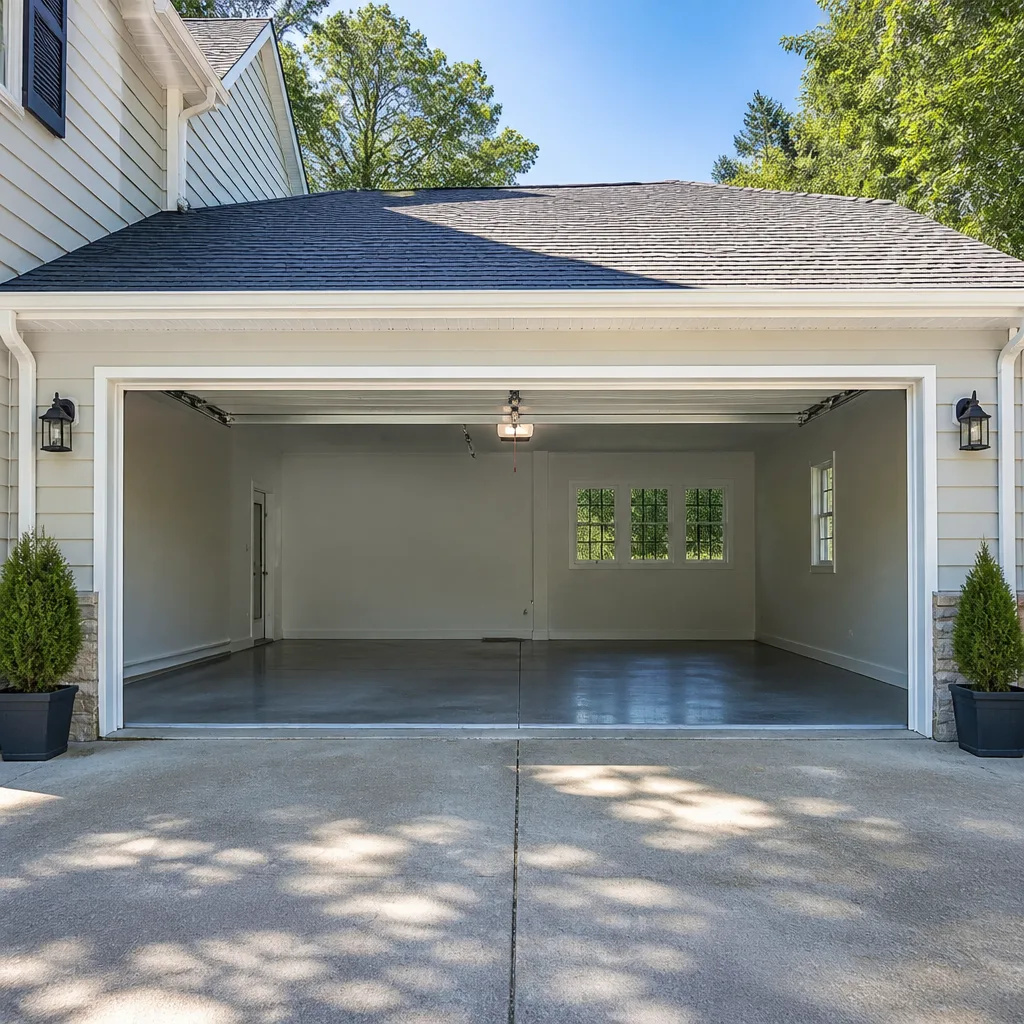 LiftMaster openers
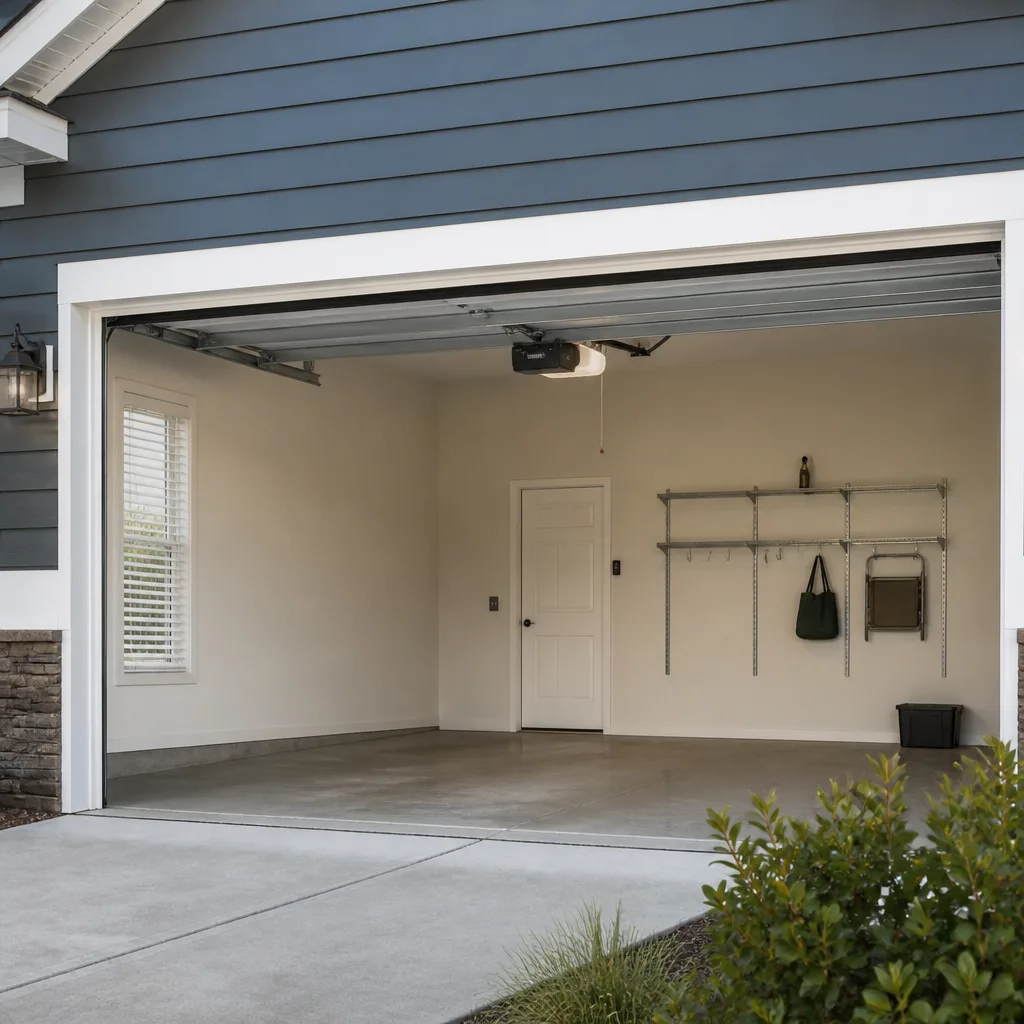 Chamberlain openers
Full 25-point door and opener safety check with every visit - springs, cables, rollers, tracks, and your LiftMaster or Chamberlain opener included
You get a price before we start. It does not change when the pro arrives.
Get your free estimateSeasonal Garage Door Care for Highlands Ranch: Year-Round Homeowner’s Guide
Here’s the counterintuitive part: in Highlands Ranch, the most dangerous month for garage door springs isn’t January. It’s March. A 60°F afternoon that follows a 15°F morning puts a garage door through the widest metal swing of the year, and the fatigue compounds overnight, week after week. Springs and cables don’t fail because it’s cold. They fail because the temperature won’t hold still. That’s why a calendar that splits garage door care into neat four-season blocks misses the actual failure points on a Colorado door. This guide reorganizes maintenance around the stress cycles this climate really produces: freeze-thaw, altitude, hail, summer heat, and the fall window that quietly prevents most winter breakdowns. Read it once, and you’ll know what to check in Highlands Ranch and when.
Quick Answer
Garage door care in Highlands Ranch works best when it follows weather stress, not the calendar. The highest-value maintenance happens in fall, before the first hard freeze, when seals, tracks, and springs get checked and adjusted; the riskiest period for springs and track alignment is late winter through spring thaw, when freeze-thaw cycles push metal past its design range repeatedly. Summer heat then calls for a balance recheck on torsion springs, and hail season demands a look at panel and glass integrity. Do those four things in the right order and most premature failures never happen.
Styles & brands we work with
- Raised-panel steel
- Carriage house
- Modern flush
- Full-view glass
- LiftMaster openers
- Chamberlain openers
Key Takeaways
- Spring failure peaks in March and April in Highlands Ranch, not midwinter, because freeze-thaw cycles stress metal more than steady cold.
- Fall is the highest-return maintenance window: seals, tracks, balance, and lubrication done in October prevent the classic winter failures.
- Altitude and dry air change which bottom seal materials hold up; not every seal sold for a “cold climate” is built for this one.
- Hail is a panel and glass problem before it’s a structural problem, but the line between the two is worth knowing.
- Doors balanced in winter drift out of calibration by July; a summer balance check is not optional here.
- Springs and cables are the one part of this system you don’t touch. That work belongs to a trained technician.
Table of Contents
- Why Highlands Ranch Garage Doors Age by Stress, Not Season
- Why October Is the Highest-ROI Maintenance Window
- Pre-Winter Prep: Seals, Thresholds, and the Cold That Follows
- The Spring Thaw Problem: Track Alignment and Spring Fatigue in March and April
- Summer Heat and Torsion Spring Tension: Why July Doors Drift Out of Balance
- Hail and Panel Integrity: When Cosmetic Damage Becomes Structural
- A Year-Round Garage Door Checklist for Highlands Ranch Homeowners
- Neighborhood Notes: What Different Highlands Ranch Areas Ask of a Door
Why Highlands Ranch Garage Doors Age by Stress, Not Season
A garage door is a metal machine that lives outdoors. Its springs, cables, tracks, hinges, and rollers respond to temperature, humidity, and how often the door moves, not to the name of the month. In a place with a stable climate, those forces build gradually. In Highlands Ranch they arrive in sharp swings, and the swings are what actually shorten a door’s working life.
Think about what a single spring cycle involves. The spring winds and unwinds every time the door goes up or down, and it does that while the steel around it is expanding and contracting with the temperature. On a mild spring day the metal is warm and forgiving. That same night, if a front pushes through, the steel is cold and the tolerances tighten. The spring doesn’t break because of one cold night. It breaks because it has been asked to flex through hundreds of these swings with the metal changing size under it the whole time.
The same logic applies to every other component:
- Tracks expand and contract along their length, and repeated movement is what gradually loosens fasteners and nudges alignment.
- Bottom seals harden and relax as temperatures rise and fall, and the material that survives one season of that can crack in the next.
- Rollers and hinges dry out faster in low humidity and start to bind, which adds load to the opener.
- Opener gear and logic boards work harder in heat and in cold, and the strain shows up as inconsistent travel or reversing.
Treat maintenance as a response to these stress points and you’ll always be working on the right part at the right moment. Treat it as a seasonal ritual and you’ll spend the same effort and miss the failures that were actually forming. That’s the difference this guide is built around, and it’s the same reasoning behind the work we do on every garage door repair in Highlands Ranch call.
Why October Is the Highest-ROI Maintenance Window
If you do only one thing for your garage door all year in Highlands Ranch, do it in October. Fall is the last comfortable stretch before temperatures drop far enough to expose every weakness in the system, and the work you do now is what keeps a door from failing on the coldest morning of the year. This is the single highest-return window on the calendar.
The logic is simple. Winter failures almost always trace back to something that was already marginal in the fall: a seal with a small crack, a track with a loose bolt, a spring running at the edge of its adjustment. Cold weather doesn’t create those problems. It reveals them all at once, usually at the worst possible moment. Checking them in October turns surprise repair calls into quiet fixes.
Here’s what an effective fall maintenance pass looks like, in the order that makes sense:
- Run the door and watch it. Listen for grinding, scraping, or popping. Watch the travel: does it move evenly, or does it hesitate, wobble, or reverse before it should?
- Check the balance by hand. Disconnect the opener, lift the door to about halfway, and let go. A properly balanced door stays put. One that drifts down on its own is telling you the springs are losing tension.
- Inspect the tracks for alignment. They should be plumb, parallel, and free of dents. Any bolt that moves by hand needs tightening.
- Look at the bottom seal and threshold. Run a hand along the seal’s lower edge. Cracks, brittleness, or a visible gap when the door is closed all point to replacement before the cold sets in.
- Lubricate the moving metal. Rollers, hinges, and the spring coils get a garage-door lubricant. Tracks stay dry; grease in a track collects grit and causes binding.
- Test the safety reverse. Put a small object in the door’s path and close it. If the door doesn’t reverse, the opener needs attention before winter.
None of that takes long, and every item on the list prevents a winter failure that would be far more expensive and far more disruptive than the check itself. If anything you find is beyond a homeowner fix, that’s the moment to schedule a proper look, not the moment the door stops opening. Our garage door repair service handles exactly that kind of pre-winter tune-up, so fall is a good time to book it.
Pre-Winter Prep: Seals, Thresholds, and the Cold That Follows
Two parts of a garage door system take the most punishment from a Highlands Ranch winter, and both are easy to overlook: the bottom seal and the threshold it lands on. One is a strip of material that has to stay flexible in cold air, and the other is the surface that has to keep that seal airtight. Get these right before the first freeze and you keep out drafts, moisture, and the small pests that find a way in when there’s a gap. Miss them and you spend the winter with a cold garage and an opener that fights a stiff seal every time the door closes.
Seal materials matter more here than in most places, and altitude and dry air are the reason. A seal that stays soft in humid air can go brittle when the air is thin and dry, and a material that tolerates one deep cold snap may not tolerate fifty of them offset by warm afternoons. When you’re replacing a bottom seal, ask what the material is rated for and look for one made for cold climates with a track record in dry, high-altitude conditions. Vinyl and rubber behave differently, and the cheaper option is not always the one that lasts the season.
Threshold performance is the other half of the equation:
- Check the seal’s contact line. With the door closed, the seal should press evenly along the threshold. A visible gap under any section means the seal, the threshold, or the door’s closed position needs adjustment.
- Inspect the threshold for cracks and settling. Concrete that has shifted or cracked won’t give the seal a clean surface to close against.
- Watch for ice buildup at the threshold. Water that pools and refreezes under the door can freeze the seal to the concrete. A seal that sticks and tears on the first cold morning is one that needed attention in the fall.
- Clear drainage before winter. Melting snow and spring runoff need a path away from the door, not under it.
If your door is an Amarr or Wayne Dalton model with a factory bottom seal, the replacement needs to match the door’s profile, not just its width. Getting the wrong seal in place is a common winter headache and an easy one to avoid. In our experience, a seal replaced correctly in October is the cheapest insurance a Highlands Ranch garage door has.
The Spring Thaw Problem: Track Alignment and Spring Fatigue in March and April
Late winter and early spring are when Highlands Ranch garage doors fail most often, and the reason is freeze-thaw. A single spring day here can go from 15°F at sunrise to 60°F by afternoon and back toward freezing overnight. Every one of those swings is a cycle of expansion and contraction through every piece of metal in the system. Do it hundreds of times in a few weeks and the parts that were already marginal in the fall start to fail.
Two failures dominate the thaw, and they’re different problems with different warning signs.
Track alignment is the quieter of the two. As the metal expands and contracts, the bolts that hold the tracks in place loosen, and the tracks themselves can bow slightly or lose plumb. The door still opens, but it scrapes, binds, or moves less smoothly than it did in January. Left alone, misalignment wears the rollers and puts extra load on the opener. The classic sign is a door that sounds fine at midday and loud in the early morning, because the metal is at opposite ends of its range. If you notice that pattern in March, get the tracks checked.
Spring fatigue is the louder one. Torsion springs lose tension through the thaw the same way they lose it through any repeated cycling, but the temperature swings accelerate the process. The warning is a door that no longer balances when you disconnect the opener, or one that slams down instead of staying put. A spring that’s fatigued can break, and a broken spring can drop a door or leave it stuck. This is not a part to diagnose by trial and error.
Here’s what to check during the thaw:
- Run the door and listen for new scraping or popping that wasn’t there in winter.
- Check the balance by hand with the opener disconnected. It should hold position at halfway.
- Look at the tracks for a clean vertical line. Any bow or bend is worth a professional look.
- Watch for a door that closes unevenly or leaves a gap on one side.
- Note any new noise that follows the temperature: loud morning, quiet afternoon is a track signal.
- If you hear a loud bang from the garage, stop using the door and call for service before running it again.
A proper diagnostic here separates a loose bolt from a fatigued spring, and the two have very different fixes. That’s the reasoning behind our garage door spring repair service: the spring is the most mechanically critical part of the system and the most commonly mishandled, and it’s a job for a trained technician, not a homeowner with a winding bar. We’d rather diagnose it correctly in March than replace a door in June.
Summer Heat and Torsion Spring Tension: Why July Doors Drift Out of Balance
A door that was perfectly balanced in January is often out of balance by July, and heat is the reason. Torsion springs are calibrated to hold a specific door weight at a specific temperature. As summer heat expands the spring metal and the door’s own components, the tension that felt right in winter is no longer matched to the door. In Highlands Ranch, where summer afternoons push the garage temperature up even with the door closed, that drift happens earlier and more noticeably than in milder climates.
The effect is subtle at first. The opener works a little harder. The door doesn’t quite hold position when you test the balance. The auto-reverse engages too early or too late. Left alone, the opener absorbs the extra load, and openers fail on strain long before they would otherwise. The heat makes the whole system work harder in a season when it’s already running more often.
What a summer balance check involves:
- Disconnect the opener and test the balance by hand. A door that moves easily, holds at halfway, and lifts without much effort is in balance. A door that feels heavy or drifts is not.
- Listen to the opener. A strained opener sounds different: louder start, a slight hesitation, or a motor that seems to be working harder than it should.
- Check the safety reverse again. Heat can change the travel of the door enough that the reverse setting needs adjustment.
- Watch the weatherstripping. Heat relaxes some materials and can create a gap that wasn’t there in spring. A gap in summer becomes a draft and an ice problem in winter.
- Look at the rollers and hinges for dryness. Summer heat and dry air pull lubricant out of the moving parts faster than you’d expect.
If a balance check turns up a spring that’s lost tension, the fix is a spring adjustment or replacement, done by someone who knows how to calibrate the new spring to the door’s actual weight. That’s a technician job. A door left out of balance through July will typically get worse, not better, so summer is the right time to look. For doors with a LiftMaster or Chamberlain opener, our garage door opener repair service can sort out an opener that’s been straining through the heat.
Hail and Panel Integrity: When Cosmetic Damage Becomes Structural
Hail is a fact of life in Highlands Ranch, and garage door panels are exposed to it more than most homeowners realize. A door that faces the street or an open driveway catches the brunt of a storm, and the damage usually shows up as dents, dings, and bent panel edges. Most of that is cosmetic. Some of it is not, and the line between the two is what matters when you’re deciding whether to repair or replace.
The cosmetic-to-structural line usually comes down to three things:
- Panel shape and fit. A dent that changes the panel’s profile can break the seal between panels, which lets in water and cold air. That’s beyond cosmetic.
- Track and hinge stress. Hail that hits hard enough to bend a panel edge often bends the hinge or knocks the track out of alignment at the same time. The door still opens, but it moves less smoothly.
- Glass and window panels in the door. A cracked pane in a door panel is a security and moisture problem, and a broken one needs replacing, not just filling.
After a hail event, here’s what to check:
- Look at every panel from the driveway, not just the ones at eye level.
- Open and close the door and listen for new scraping or popping.
- Check the panel gaps. A door that doesn’t close flat or leaves a visible gap between panels has damage worth a professional look.
- Inspect any window panels for cracks, and check the frame for bending.
- Look at the tracks for dents and the hinges for bending.
- Note the age and material of the door. Steel and aluminum behave differently under hail, and some finishes hide damage until it rusts.
In our experience, the biggest mistake after a hail storm is assuming a dented door is fine because it still opens. If the dent has compromised the panel seal or the track alignment, the door is now taking extra load every time it moves, and the damage gets worse. A door with a Craftsman or Raynor panel that’s bent at the seam is worth a professional inspection before the next storm season. Our garage door repair team can tell you whether the damage is cosmetic or whether a panel or a full door needs replacing.
A Year-Round Garage Door Checklist for Highlands Ranch Homeowners
Here’s the whole guide in one place. This is the sequence that matches the actual stress cycle in Highlands Ranch, rather than the calendar most maintenance guides assume.
October (highest priority):
- Run the door and watch the travel for hesitation, wobble, or premature reversing.
- Test the balance by hand with the opener disconnected.
- Inspect the tracks for plumb and parallel alignment, and tighten any loose bolts.
- Check the bottom seal for cracks, brittleness, and gaps when the door is closed.
- Inspect the threshold for cracks, settling, and drainage problems.
- Lubricate rollers, hinges, and spring coils with a garage-door lubricant.
- Test the safety reverse with a small object in the door’s path.
March and April (the thaw):
- Listen for new scraping or popping, especially in the morning.
- Test the balance again after the freeze-thaw cycle has run.
- Look for tracks that have bowed or lost alignment.
- Watch for a door that closes unevenly or leaves a side gap.
- If you hear a bang from the garage, stop using the door and call for service.
July and August (the heat):
- Recheck the balance as the garage temperature climbs.
- Listen to the opener for strain, and recheck the safety reverse.
- Check the weatherstripping for gaps opened by summer heat.
- Re-lubricate moving parts that have dried out.
Any time after a hail storm:
- Inspect every panel from the driveway.
- Check panel gaps, window panes, and hinge alignment.
- If the door doesn’t close flat, get it looked at before the next storm.
Neighborhood Notes: What Different Highlands Ranch Areas Ask of a Door
Highlands Ranch is a large community, and the garage door in one part of it faces slightly different conditions than in another. The differences are worth knowing because they change what you check first.
Doors that face open space or the foothills catch more wind-driven weather, and that shows up as loosened tracks, dried-out seals, and occasional wind damage to panels. Doors on streets with heavier foot and vehicle traffic tend to see more opener wear from constant use, and their safety reverse settings matter more. Doors under mature trees in the older parts of the community deal with more debris on the tracks and more seal wear from moisture that lingers.
North-facing doors spend more of the winter in shade, which slows the thaw at the threshold and can extend the ice problem past when other doors have cleared. South-facing doors get more sun, which can age the finish faster and push the summer balance check earlier. None of that changes the maintenance sequence this guide lays out, but it does tell you which items to prioritize in your own driveway. When we look at a door in Highlands Ranch, the first question is always how the sun and wind hit it through the year.
See the difference
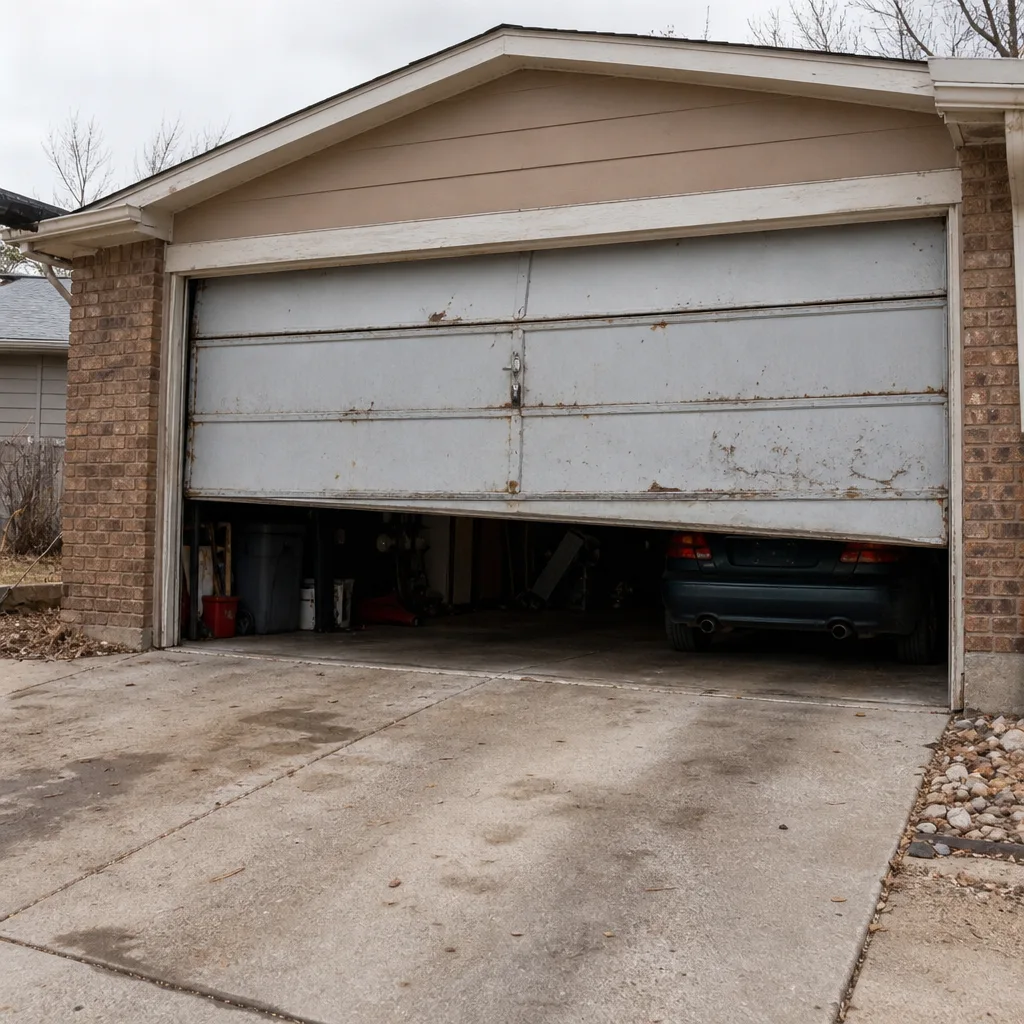 Before
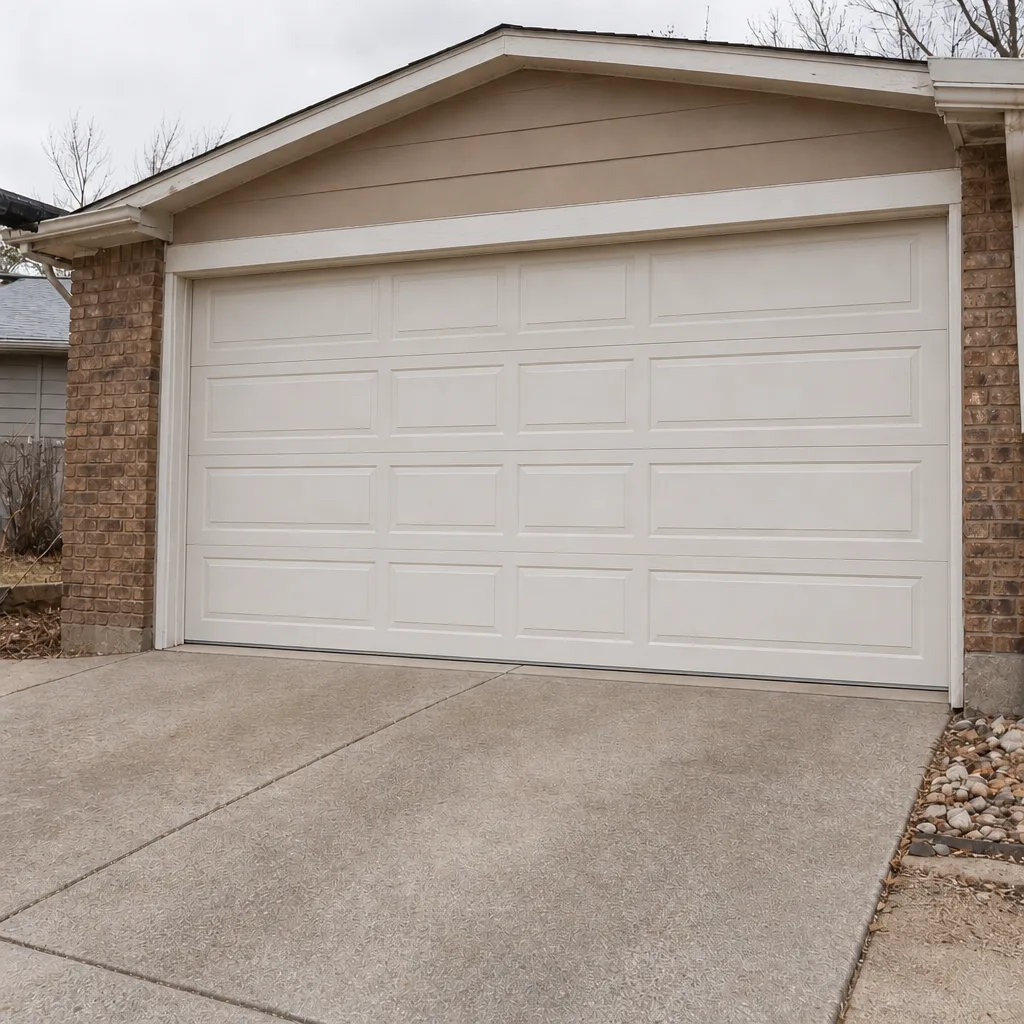 After
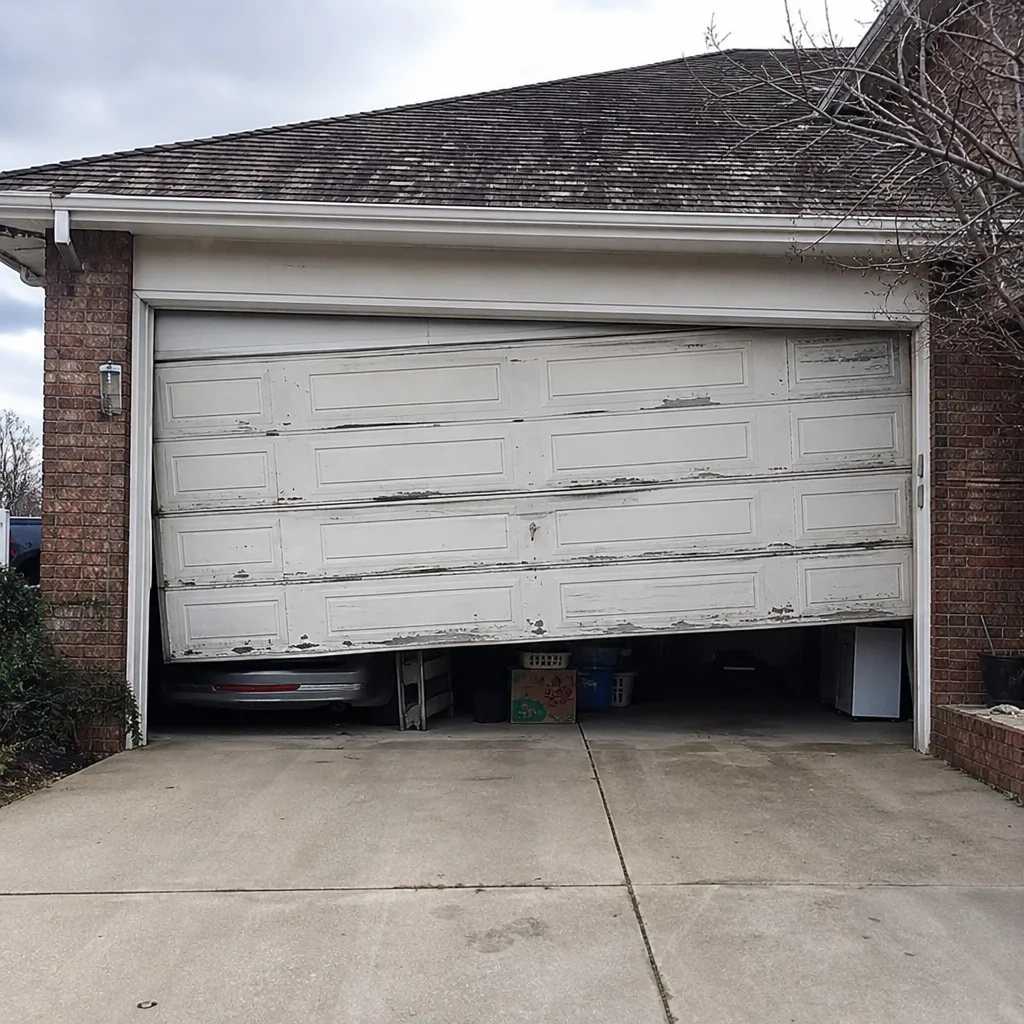 Before
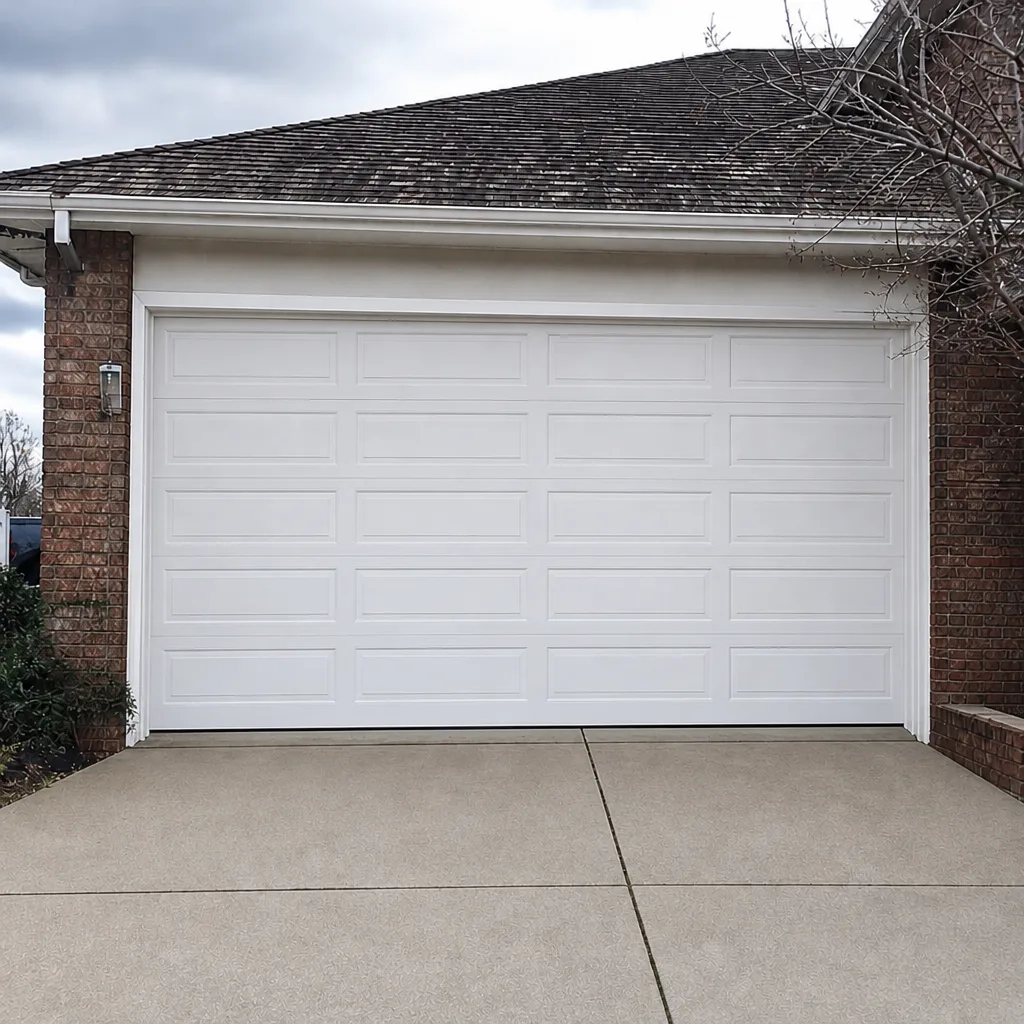 After
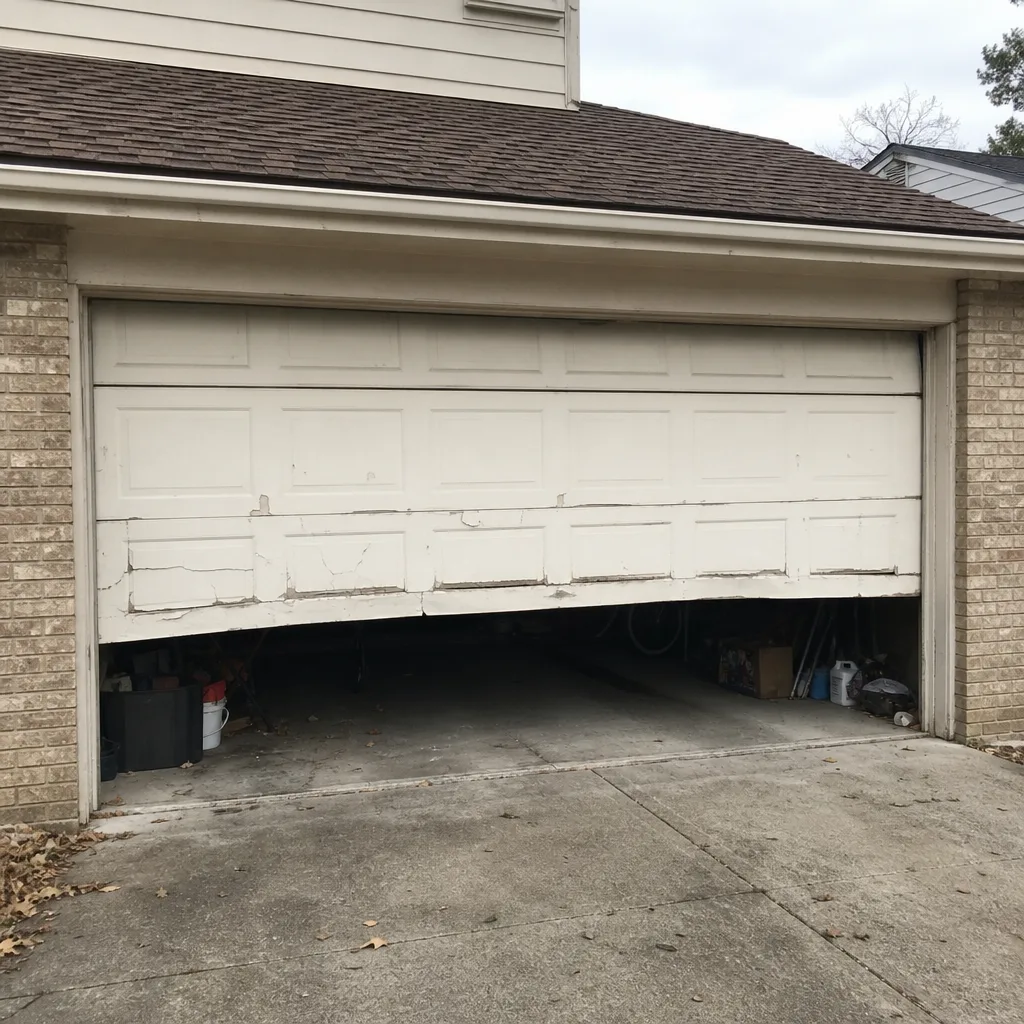 Before
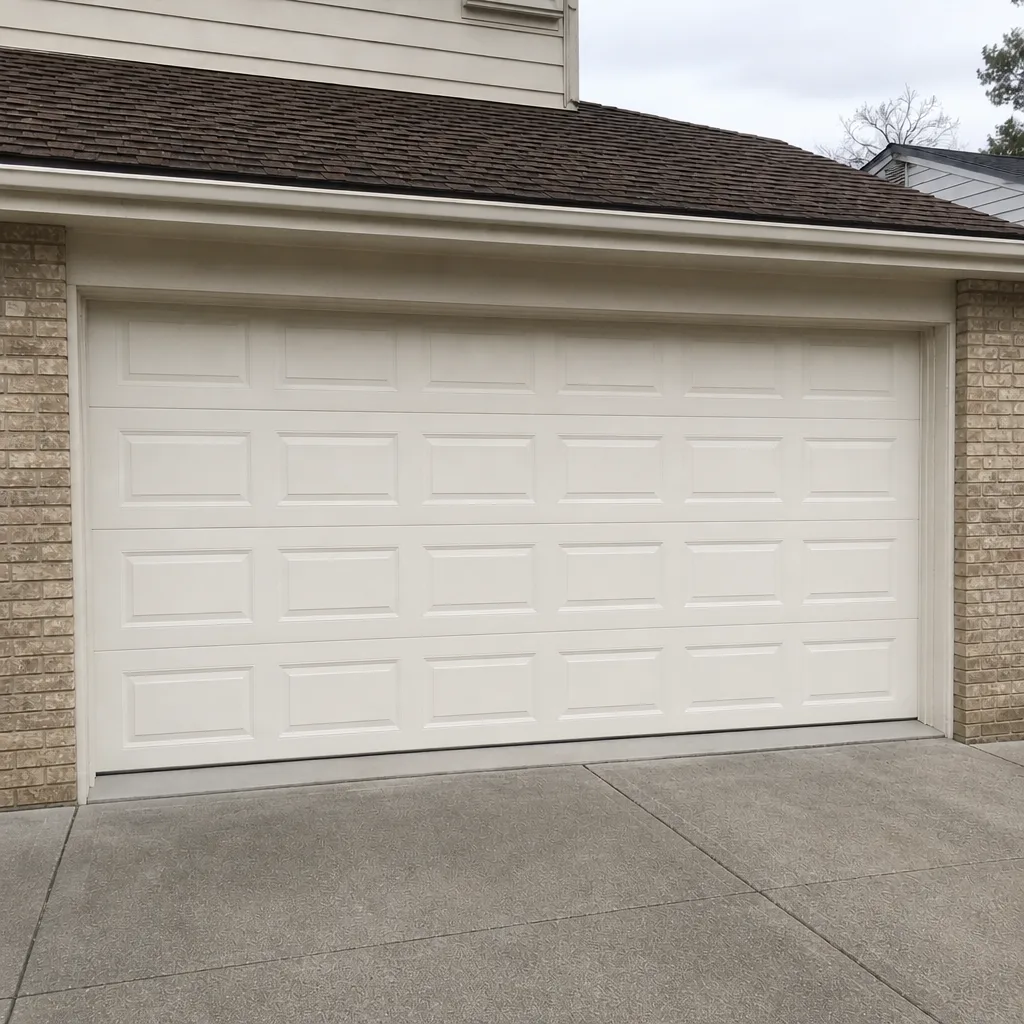 After
Common Mistakes to Avoid
- Waiting for a failure to do maintenance. The whole point of fall prep is that it catches the marginal parts before winter does. Waiting for a spring to break is how a $200 spring job becomes a door replacement.
- Treating the calendar as the guide instead of the weather. A four-season schedule misses the thaw, which is the riskiest stretch in Highlands Ranch. Time the inspection to the freeze-thaw cycle, not just to the seasons.
- Greasing the tracks. Tri-flow or a similar garage-door lubricant on rollers and hinges helps; grease in a track collects grit and causes binding. Dry tracks, lubricated moving parts.
- Replacing one spring when a matched pair is due. On most doors, if one spring has failed, the other is at the same point in its life. Replacing one at a time is often a false economy.
- Winding or adjusting springs yourself. Springs are under extreme tension and can cause serious injury. This is the one part of a garage door that is never a homeowner job.
- Ignoring a hail dent because the door still opens. A dent that breaks the panel seal or bends a hinge is structural, and it gets worse with every cycle. Have it checked after the summer storms.
- Skipping the summer balance check. A door balanced in January is often out of balance by July in Highlands Ranch heat. Checking it in summer is what keeps the opener from absorbing the strain.
When to Call a Professional
Most of this guide is safe for a homeowner to handle: visual inspections, the balance test, lubrication, tightening a track bolt, and replacing a bottom seal. Call a professional the moment the work involves springs, cables, or the opener’s internal mechanism. Those are high-tension parts, and a mistake there can cause serious injury or damage the door. Call also if you hear a bang from the garage, if the door doesn’t move in a straight line, if the opener reverses for no reason, or if a panel is bent enough to break the seal between panels.
Garage Door Repair Highlands Ranch offers free estimates in Highlands Ranch – call (877) 331-7827. Our technicians have up to 8 years of experience, and we handle garage door repair, spring repair, opener repair, and new installation as one service, without handing you off. No part of the work starts until the price is quoted and agreed, and the written estimate is what you pay.
Frequently Asked Questions
The fall maintenance pass in October is the single highest-value task. It catches the marginal seals, loose tracks, and weakening springs that would otherwise fail in the cold, and it’s the one window that prevents the most common winter problems. If you only do one thing to a Highlands Ranch garage door in a year, do the fall check.
Springs fail more often in March and April because freeze-thaw cycles stress the metal more than steady cold does. A 60°F afternoon after a 15°F morning expands and contracts the spring and the door’s other metal parts repeatedly, and the fatigue adds up. If you’ve noticed new noise or a door that no longer balances, call (877) 331-7827 for a spring check.
No. Garage door springs are under extreme tension, and an adjustment or replacement done wrong can cause serious injury. Even if a video makes it look simple, this is work for a trained technician. For spring issues in Highlands Ranch, call (877) 331-7827 and we’ll diagnose the door properly.
Twice a year covers the main stress points: a full pass in October before the cold, and a balance and opener check in July after the heat has set in. The thaw months of March and April are the right time for an extra listen and a balance test, since that’s when freeze-thaw damage shows up.
Not always. Many hail dents are cosmetic. The door needs a professional look if the dent has broken the seal between panels, bent a hinge, knocked the track out of alignment, or cracked a window pane, because those go beyond appearance. For an honest assessment after a storm, call (877) 331-7827.
No. The price is quoted and agreed before any work starts, and the written estimate sets the final price. If something unexpected turns up, we’ll tell you before touching it rather than adding it to the bill. Call (877) 331-7827 for a free estimate in Highlands Ranch.
The local professional who performs the work is licensed and insured as the state requires. Our technicians have up to 8 years of experience and are trained on the major brands, including LiftMaster, Chamberlain, Genie, Clopay, Amarr, Wayne Dalton, Craftsman, and Raynor.
The Bottom Line
Highlands Ranch doesn’t follow a tidy four-season calendar, and your garage door maintenance shouldn’t either. The stresses here run on freeze-thaw, altitude, hail, and summer heat, and those stresses create specific failure points: the thaw, the heat drift, the hail dent, the ice at the threshold. Do the fall pass in October, listen carefully through March and April, recheck the balance in July, and inspect the panels after every storm. Handle the safe checks yourself, and bring in a trained technician for springs, cables, and openers. Time the maintenance to the stress, not the season, and the door lasts longer and fails less.
When something needs a professional look, call Garage Door Repair Highlands Ranch at (877) 331-7827 for a free estimate. We diagnose and repair the whole system, quote the price before work begins, and stand behind the job. A garage door that works is one less thing on the list, and the right maintenance keeps it that way.
Written by the team at Garage Door Repair Highlands Ranch.